A Traditional Japanese Snack Loved for Its Fragrance and Crunch
A Classic Treat Made from Glutinous Rice
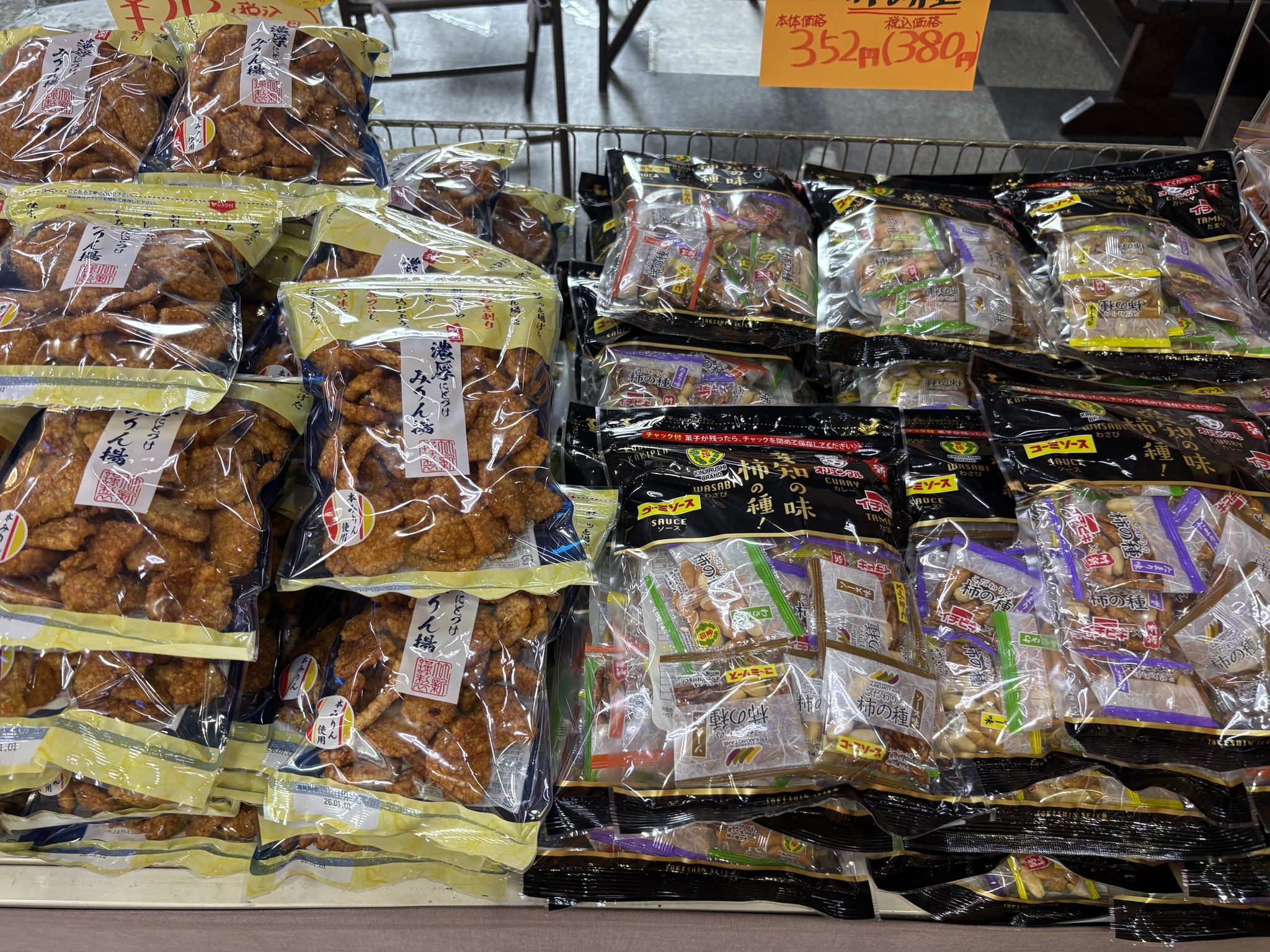
Okaki is a type of rice cracker that has been enjoyed in Japan for centuries. Made from glutinous rice, it is baked or fried to create a fragrant aroma and satisfying crunch. It’s a beloved snack that pairs perfectly with a cup of tea.
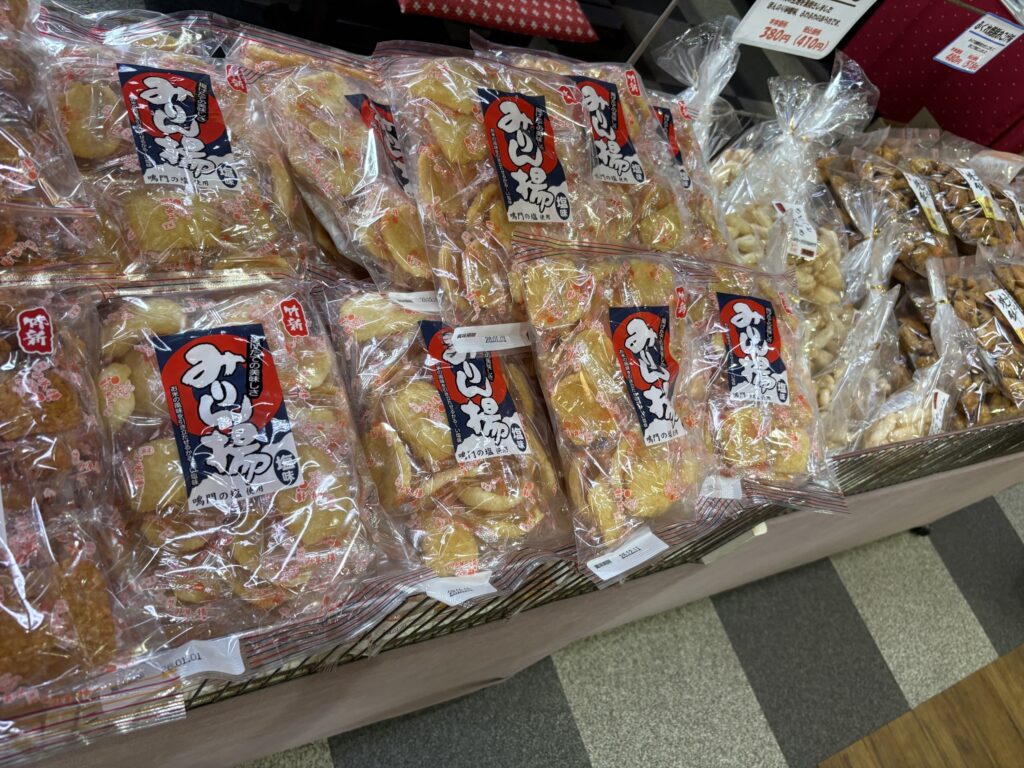
In general, crackers made from non-glutinous rice are called “senbei,” while those made from glutinous rice are known as “okaki” or “arare.” Although all are rice-based, their texture and flavor differ depending on the type of rice and the production method.
The Difference Between Okaki and Arare
Okaki and arare are similar but not identical. Arare pieces are typically smaller and more uniform in shape, often served during celebrations or seasonal events. Okaki, on the other hand, is larger and has developed as a snack known for its rich aroma and satisfying crunch.
Variety of Flavors and Regional Styles
There are many types of okaki throughout Japan. The most common flavor is soy sauce, but there are also salted, sweet, seaweed-wrapped, and shrimp-flavored varieties. Each region and maker brings its own character to the taste.
Soy Sauce Okaki
The most classic flavor. After baking, the pieces are coated with soy sauce to give them a rich, savory taste.
Salt Okaki
A simple flavor that highlights the natural taste of the rice. It’s light and crisp.
Seaweed-Wrapped Okaki
Baked okaki wrapped in seaweed. The harmony between aroma and texture makes it a favorite.
Shrimp Okaki
Flavored with dried shrimp, offering a rich umami taste. Perfect as a snack with drinks.
How to Enjoy Okaki
Okaki can be enjoyed on its own or paired with tea. Especially with green tea or roasted tea, its fragrance stands out even more. Some people even crush okaki into smaller pieces and sprinkle them over rice or soup to enjoy its crispy texture.
Because okaki keeps well for a long time, it makes a wonderful souvenir. The packaging is often elegantly designed with a traditional Japanese touch, making it a popular gift among international visitors.