Author: su

  • Souvenir from Byōbuzan Parking Area: Kurikinton Kintsuba | Mizunami City, Gifu

    Souvenir from Byōbuzan Parking Area: Kurikinton Kintsuba | Mizunami City, Gifu

    A Stopover to Enjoy the Flavors of Gifu

    Byōbuzan, straddling Mizunami and Ena cities in Gifu Prefecture, is the highest peak in Mizunami at 794.1 meters. Its ridgeline, resembling a folding screen, is a striking sight and attracts hikers and casual climbers alike. In summer, the mountain is also known as the production area of the sweet and juicy “Byōbuzan Watermelon,” drawing many visitors in search of its refreshing taste.

    About 5 kilometers north of the mountain lies Byōbuzan Parking Area, a compact rest stop along the Chūō Expressway. Despite its small size, it offers a rich taste of local charm.

    Local Specialty: Kurikinton Kintsuba

    This region is famous nationwide for chestnut confections. In particular, the Ena–Nakatsugawa area is celebrated as the home of Kurikinton, a traditional chestnut sweet that has inspired a variety of wagashi (Japanese confections).

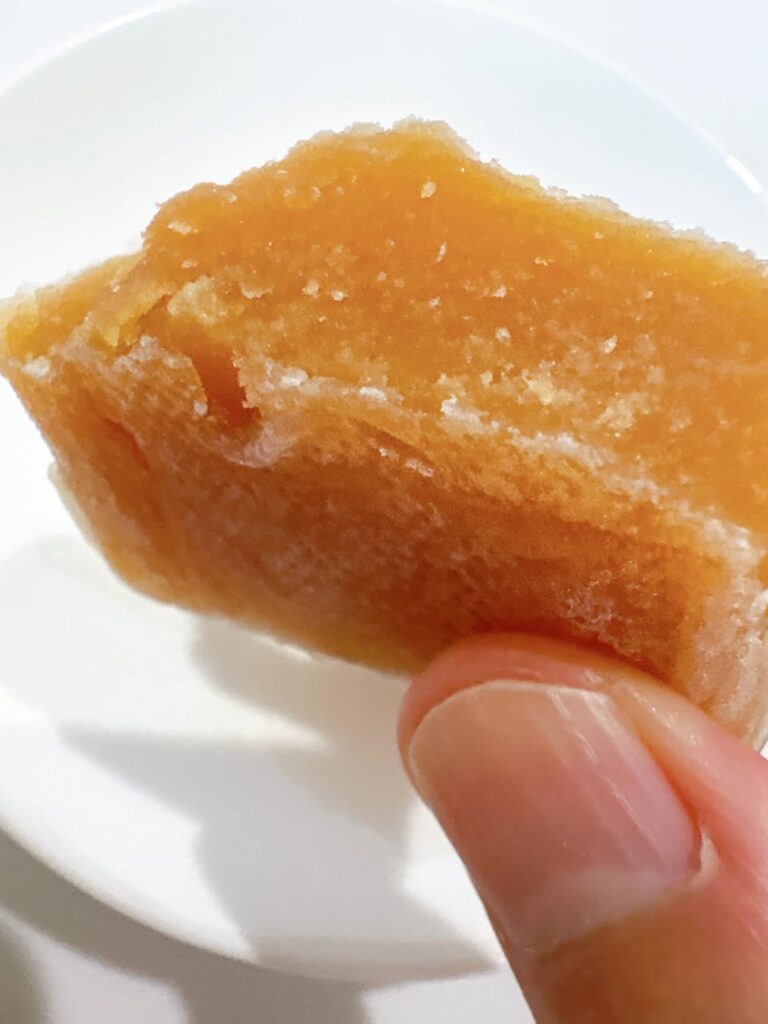
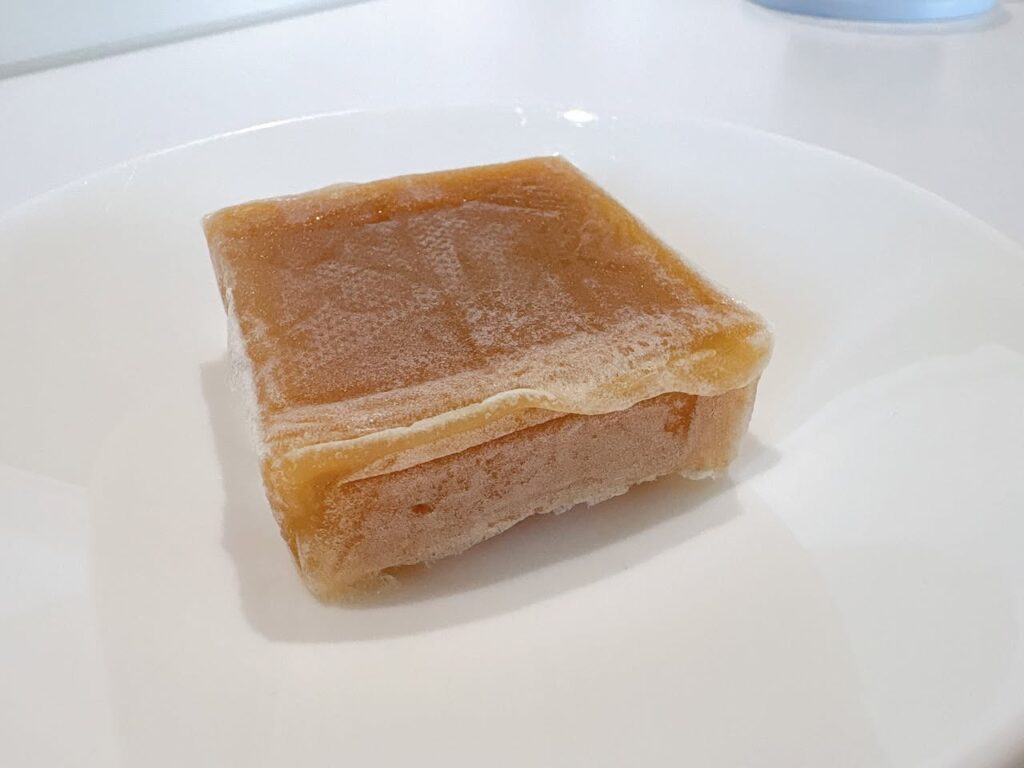
    At Byōbuzan PA, you can easily enjoy this regional flavor. One highlight is Kurikinton Kintsuba—a moist azuki (red bean) coating filled with rich, sweet chestnut paste. Bite-sized and not overly sweet, it lets you savor the natural taste of chestnuts. Perfect as a light snack on the road or a thoughtful souvenir.

    Regional Flavors on the Road

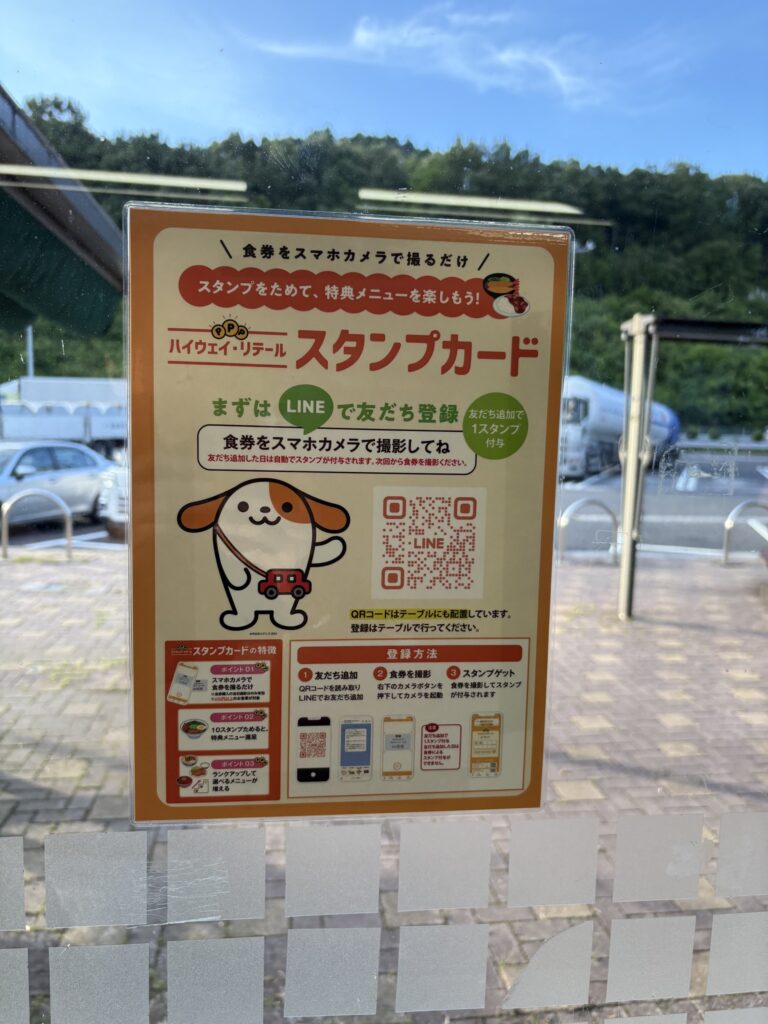
    Byōbuzan Parking Area also participates in the Highway Retail Stamp Card program. Order a meal in the dining area, scan your meal ticket with your smartphone, and collect stamps—ten stamps earn you a free dish.

    Highway rest areas in Japan are more than just places to take a break; they serve as compact “mini tourist spots” where travelers can experience local culture and specialties. Stopping here adds extra richness to your journey.

    Conclusion

    At Byōbuzan Parking Area, you can enjoy Kurikinton Kintsuba, a sweet that reflects the nature and traditions of Mizunami and Ena. On your next drive, be sure to take a taste of Gifu with you.

    Access

    Byōbuzan Parking Area (Inbound / Upbound)

    3282-15 Tokimachi, Mizunami City, Gifu 509-6101

    Byōbuzan Parking Area (Outbound / Downbound)

    987-2 Kamadomachi, Mizunami City, Gifu 509-6472

  • Comfortable Baths, Restaurant, and Relaxation Spaces – Shonai Onsen Kita no Yu | Kita Ward, Nagoya

    Comfortable Baths, Restaurant, and Relaxation Spaces – Shonai Onsen Kita no Yu | Kita Ward, Nagoya

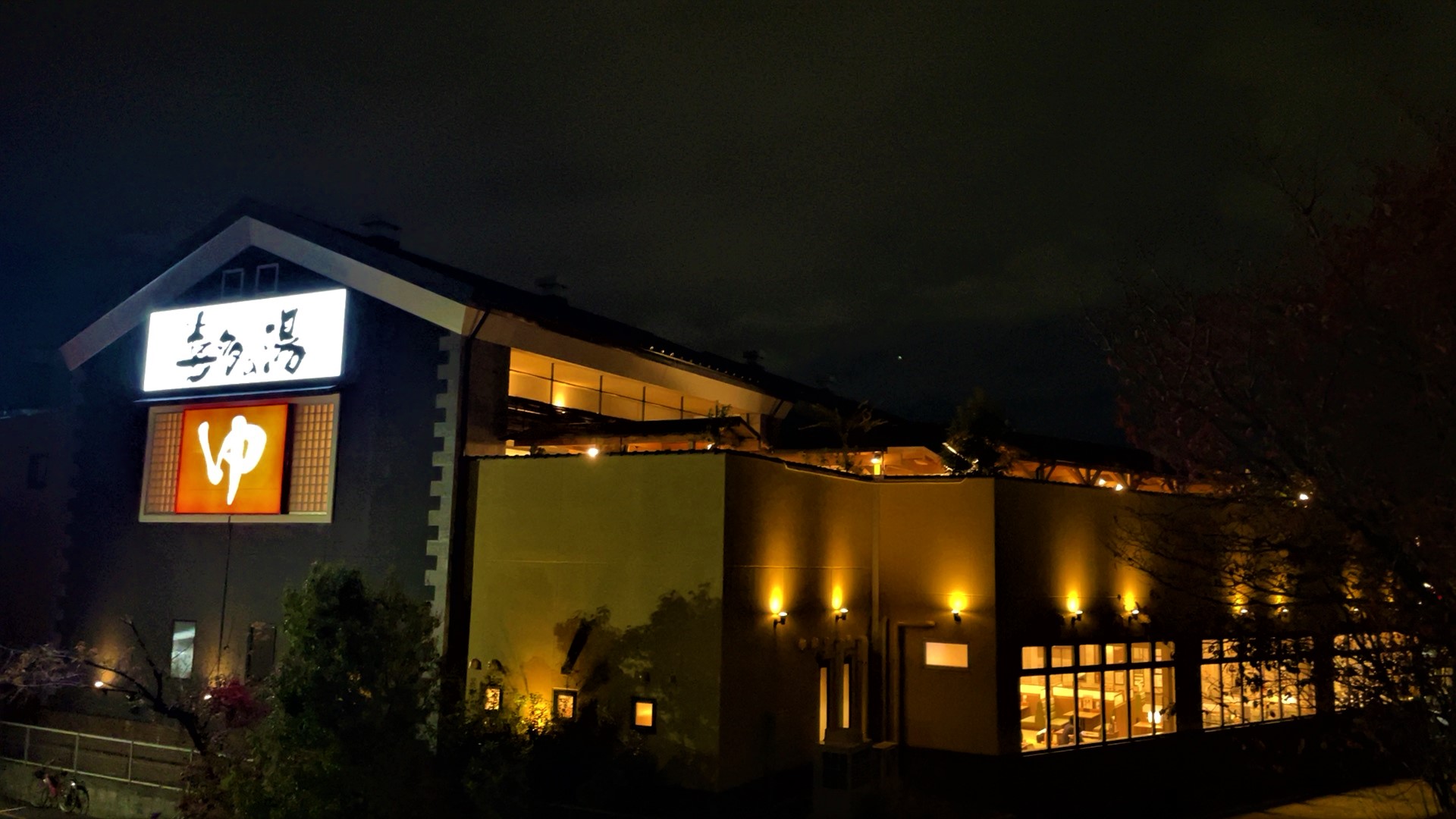
    Located on the banks of the Shonai River in Nagoya’s Kita Ward, Shonai Onsen Kita no Yu is a beloved local super-sento (large public bath). Renovated in 2021, the facility has been completely refreshed, offering a clean and welcoming environment. Every visit leaves you feeling comfortable and relaxed, making you want to return again and again.

    Refresh Your Mind and Body in Beautifully Maintained Baths

    The bath area offers a wide variety of baths, allowing visitors to choose based on their fatigue or mood. In addition to classic options like jet baths, electric baths, and carbonated springs, there are also unique and individual baths to enjoy.

    Among them, the author’s personal favorite is the “lying-down bath”. Designed slightly deeper than similar baths at other facilities, it allows you to fully immerse your neck and torso. Even in winter, you won’t feel your stomach getting cold, and the gentle warmth spreading throughout your body is wonderfully relaxing.

    The outdoor open-air bath also provides a view of the Shonai River, offering an extraordinary sense of escape that makes you forget you’re still in the heart of Nagoya.

    Detox and Relax in the Stone Sauna

    Shonai Onsen Kita no Yu also features a variety of stone saunas. Each room differs in temperature and humidity, allowing visitors to choose according to their physical condition or preference.

    The stone sauna’s main appeal is its ability to refresh the body from the inside through sweating. Spending time slowly sweating while reading or chatting is truly a “rejuvenating experience.” Many couples and groups of friends visit, and unlike gender-segregated baths, everyone can enjoy it together, which adds to its popularity.

    Satisfying Restaurant and Relaxation Spaces

    After bathing or enjoying the stone sauna, visitors can relax and have a meal in the spacious restaurant area. The calm interior enhances the relaxing atmosphere, making it comfortable for families as well as solo visitors.

    The menu offers a wide range of Japanese, Western, and Chinese dishes, including set meals, noodles, rice bowls, and desserts. Seasonal specialties are also available, keeping even frequent visitors interested.

    In summer, a cold dish after a refreshing bath is especially enjoyable, while in winter, savoring a meal with a warm, relaxed body is simply perfect.

    Refresh Your Hair and Mind with the Onsite Haircut Service

    Shonai Onsen Kita no Yu also has a barber shop on-site. Getting your hair done before bathing allows you to soak in the water feeling fresh and renewed. There are convenient set menus that combine a haircut and bath, making it ideal for those who want to make the most of their time.

    In busy daily life, visiting as a “self-care day” is highly recommended.

    Access

    1-132-1 Nishi-Ajima, Kita-ku, Nagoya, Aichi 462-0016

    From Sakae Station (Oasis 21 Bus Terminal)

    Board City Bus No. 8 bound for Nyoijiutaku / Suibunbashi at Platform 4 → Get off at Shinkawanakabashi → About 5 minutes on foot

    From Kurokawa Station

    Board City Bus bound for Nyoijiutaku / Suibunbashi at Platform 9 → Get off at Shinkawanakabashi → About 5 minutes on foot

  • Village Vanguard Flagship Store – The Birthplace of “Virevan”|Nagoya, Tenpaku

    Where the playful bookstore culture began

    Village Vanguard is famous across Japan as the “bookstore you can play in.” Its very first store opened in 1986 in Ueda, a quiet neighborhood of Tempaku Ward, Nagoya. Even today, this flagship location keeps the same quirky atmosphere that started it all, offering visitors a mix of discovery, surprise, and fun.

    From the outside, the shop looks more like a casual garage store than a typical bookstore. Step inside, and you’ll find warm wooden floors, winding staircases, and a playful layout that makes browsing feel like an adventure. True to the brand’s spirit of creativity, even the displays are unusual—watches and wallets, for example, are arranged on a billiards table.

    An extraordinary find in an ordinary neighborhood

    The surrounding area of Ueda is a calm residential district. Against this everyday backdrop, the Village Vanguard flagship feels like a hidden world of subculture. The contrast between the quiet streets and this imaginative space makes the visit all the more memorable.

    A “not-so-Japanese” Japan that fascinates travelers

    The store is not limited to books. Visitors can browse through fashion, accessories, food items, novelty goods, and much more. The eclectic selection feels like wandering through an overseas marketplace, creating a sense of stepping outside Japan while still being in the heart of Nagoya.

    For international travelers, this flagship store often becomes a highlight of their trip. Unlike the many branch stores across the country, the Ueda location preserves the original style of Village Vanguard. For fans, it’s considered a kind of “pilgrimage site” where they can connect with the roots of the brand.

    Why you should visit

    Among the many Village Vanguard stores nationwide, the flagship in Tempaku Ward stands out with its unique atmosphere. It’s a must-visit spot for anyone who wants to experience Japanese subculture, discover unusual souvenirs, or simply enjoy a bookstore that is anything but ordinary. Visiting the birthplace of “Virevan” is more than shopping—it’s a cultural experience in itself.

    Access

    1-515 Uedanishi, Tempaku Ward, Nagoya, Aichi 468-0058
    A 10-minute walk from Ueda Station on the subway.

  • A Toast to Everyday Life – What Is an Izakaya, Japan’s Beloved Drinking Spot?

    Where drinks, snacks, and smiles abound. The casual, cozy hub of Japan’s social scene.

    What Is an Izakaya?

    An izakaya is a type of casual Japanese bar where you can enjoy a wide variety of alcoholic beverages along with small dishes, commonly known as “otsumami.” The term izakaya originally referred to a sake shop that allowed customers to “stay” (iru) and drink on the premises—hence, “izakaya,” meaning “stay-in sake shop.”

    Beverage selections typically include beer, sake, shochu, and highballs, while food offerings range from sashimi and yakitori (grilled chicken skewers) to fried dishes and small plates. What makes izakaya especially appealing is their relaxed atmosphere and affordable prices, making them accessible to a wide audience.

    A History Rooted in Everyday Life

    The roots of izakaya trace back to the Edo period. At first, these were simply liquor stores offering a small standing space for on-the-spot drinking. Over time, they evolved into full-fledged establishments with seating and food, becoming a social gathering place for everyday people.

    During the Meiji and Taisho eras, and especially into the Showa period, izakaya culture blossomed alongside the rise of the Japanese salaryman. The phrase “a drink after work” became synonymous with daily routine. Today, izakaya attract a broader clientele, including women and tourists, and the variety of styles continues to grow.

    What’s on the Menu?

    An izakaya menu is designed to be shared and enjoyed slowly with drinks. Common dishes include:

    Edamame & chilled tofu

    Light appetizers often served first.

    Yakitori

    Skewered grilled chicken, a staple of any izakaya.

    Assorted sashimi

    Fresh seafood that pairs perfectly with sake.

    Karaage (fried chicken) & agedashi tofu

    Hearty and satisfying.

    Closing dishes

    Rice balls, ramen, or soup to end the night.

    One unique aspect of izakaya dining is the otoshi—a small appetizer automatically served (and charged) at the start of your meal. It acts as both a starter and a table charge, with its contents and cost varying by shop.

    A Variety of Izakaya Styles

    Modern izakaya come in all shapes and sizes:

    Standing izakaya

    For quick, casual drinking sessions.

    Private-room izakaya

    Offering more privacy for meetings or dates.

    Creative/modern izakaya

    Fusion cuisine and stylish decor, popular with younger crowds.

    Chain izakaya

    Consistent food and pricing, with nationwide locations.

    Innovations like day-drinking izakaya and alcohol-free izakaya are also emerging, reflecting broader changes in social and drinking culture.

    A Hit with International Visitors

    Izakaya offer a unique cultural experience for tourists. Unlike upscale restaurants or street food, they allow visitors to dine alongside locals in an authentic, unfiltered setting.

    Many izakaya now provide English menus or picture-based ordering to accommodate non-Japanese speakers. Some even offer “omakase” (chef’s choice) courses or casual interaction with staff, adding to the charm and spontaneity of the experience.

    A Special Place in Everyday Life

    Izakaya are not reserved for special occasions. They thrive on spontaneity: “I feel like drinking today,” “I want to catch up with someone,” or “I need a little snack.” They exist between work and home, between routine and relaxation.

    Whether stopping by after work, reconnecting with a friend, or just dining solo, izakaya provide comfort without formality. Their unpretentious warmth makes them an essential part of Japan’s social and culinary fabric.

  • Marking Memories in Vermilion – What Is a “Goshuin” from Shrines and Temples?

    A sacred stamp that tells the story of your journey – Discover the cultural and spiritual charm of Japan’s goshuin.

    What Is a Goshuin?

    A goshuin (御朱印) is a type of seal or stamp that visitors can receive at Shinto shrines and Buddhist temples across Japan. Traditionally written in brush and ink by the shrine or temple staff, the goshuin typically includes beautiful calligraphy showing the name of the site and the date of the visit, often accompanied by a red vermilion stamp symbolizing the deity or temple’s mark.

    More than a mere souvenir, the goshuin is considered a sacred record of a person’s visit, a kind of spiritual footprint. While collecting them has become a popular hobby among both locals and tourists, they are deeply rooted in Japanese religious and cultural practices.

    Origin and Cultural Background

    The practice of receiving a goshuin dates back to the Edo period (1603–1868) or even earlier. Originally, it served as proof that a worshipper had copied Buddhist sutras—a form of devotion. Over time, it evolved into a formal seal of pilgrimage and prayer, eventually becoming more widely available to everyday visitors.

    Even today, many pilgrims traveling ancient pilgrimage routes, such as the Shikoku 88 Temple Pilgrimage, carry special books to collect goshuin along their spiritual journey.

    Goshuin-chō – The Special Book

    Goshuin are typically collected in a goshuin-chō (御朱印帳), a special notebook made of accordion-folded washi paper. These books are often adorned with elegant, seasonal, or shrine-specific designs, and are available for purchase at most temples and shrines.

    While some people collect goshuin as religious mementos, others enjoy them as artistic expressions. Each goshuin is handwritten and unique, reflecting the individuality of the shrine, the temple, and even the calligrapher’s brushwork.

    Etiquette When Receiving a Goshuin

    Although goshuin have grown in popularity, it’s important to approach the practice with respect and reverence, as they are not simple stamps like those found in tourist attractions.

    • Here are a few points of etiquette to keep in mind.
    • Pay your respects at the shrine or temple before requesting a goshuin.
    • Have your goshuin-chō ready and open to the correct page.
    • A small fee (usually 300 to 500 yen) is customary as a donation, not a transaction.
    • Avoid requesting goshuin during religious ceremonies or when the staff is visibly busy.

    If you do not have a goshuin-chō, some sites may offer pre-stamped paper versions.

    A Journey Through Calligraphy

    Each goshuin offers more than just a name and date—it captures the atmosphere and philosophy of the sacred site. The flowing brushstrokes, the red vermilion stamp, and even the occasional gold or silver ink turn each seal into a work of living art.

    Some enthusiasts travel across Japan with the goal of collecting unique goshuin from famous locations like Fushimi Inari Shrine in Kyoto or Senso-ji Temple in Tokyo, while others cherish the seals from small, lesser-known shrines discovered along quiet country roads.

    Why Foreign Visitors Enjoy Goshuin

    Recently, more and more international travelers have discovered the beauty of goshuin. It’s a tangible and meaningful way to commemorate a spiritual or cultural experience. Unlike mass-produced souvenirs, goshuin reflect your personal presence at a specific time and place in Japan.

    For many, they also serve as an introduction to Japan’s dual religious traditions—Shinto and Buddhism—offering a glimpse into how spirituality is seamlessly woven into daily life.

    A Lasting Memory in Red Ink

    Goshuin are not just keepsakes; they are markers of experience, symbols of intention, and reminders of moments of calm, gratitude, or reflection.

    Whether you’re visiting a grand temple in the city or a quiet shrine in the countryside, receiving a goshuin can turn a short visit into a lasting memory—recorded gracefully in red ink and brushstrokes, just as it has been for centuries in Japan.

  • A Comforting Meal in One Tray – What Is a Japanese “Teishoku”?

    Nutritious, balanced, and deeply satisfying — a simple yet profound way to experience home-style Japanese dining

    What is “Teishoku”?

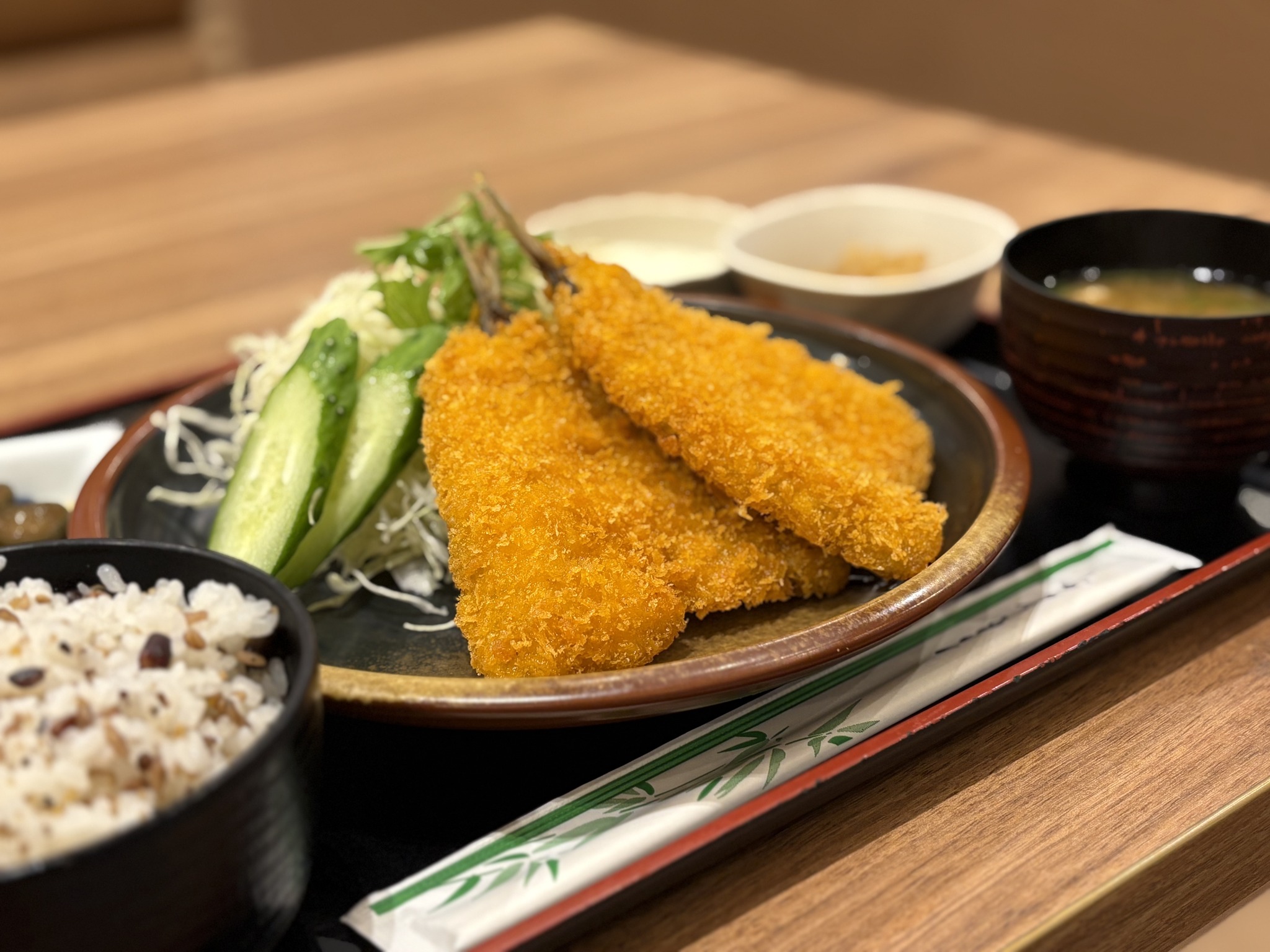
    “Teishoku” refers to a fixed set meal commonly served in Japanese restaurants or diners. It typically includes rice, miso soup, a main dish (like grilled fish or fried pork cutlet), and one or more side dishes such as small vegetable servings or pickles. Unlike à la carte dining where you choose each item individually, teishoku comes pre-arranged as a complete set.

    It’s a style rooted in everyday Japanese home cooking, offering a comforting taste of familiarity for locals and visitors alike.

    A Style Grounded in Traditional Meal Structure

    Teishoku is based on the traditional Japanese concept of ichiju-sansai — one soup and three dishes. This format includes a soup (like miso or clear broth), one main dish, and two side dishes. It’s considered nutritionally well-balanced and visually appealing.

    The teishoku culture took strong hold in the post-war era, especially during Japan’s rapid economic growth. Affordable and hearty, it became a staple in diners across the country for supporting workers and families alike.

    Common Teishoku Menus

    Teishoku offerings are highly diverse, often reflecting regional ingredients and seasonal flavors. Some popular examples include:

    Grilled Fish Teishoku

    Salted mackerel with rice, miso soup, and pickles.

    Ginger Pork Teishoku

    Sliced pork sautéed in ginger sauce, often served with shredded cabbage.

    Tonkatsu Teishoku

    Crispy breaded pork cutlet, with rice and soup — a classic combination.

    Daily Special Teishoku

    Changing main dish depending on the day, often a highlight in local diners.

    Other favorites include karaage teishoku (fried chicken), or seafood fry teishoku with white fish, shrimp, or oysters — perfect for seafood lovers.

    These meals aren’t limited to diners and casual chains — teishoku is also served in many Japanese restaurants and even at hotel breakfasts.

    The Appeal of Teishoku

    What makes teishoku so appealing is its sense of completeness. With warm rice, a flavorful soup, a satisfying main, and a few smaller sides, the meal offers harmony in taste, texture, and presentation.

    People often say teishoku gives them a sense of eating “a proper meal.” It’s dependable — especially when you’re unsure what to choose from a menu.

    Popular with International Visitors Too

    In recent years, teishoku has grown in popularity among foreign travelers. Many appreciate it for being simple, healthy, and reasonably priced. For those whose image of Japanese food is limited to sushi or ramen, teishoku offers a deeper look into the flavors of everyday Japanese life.

    Home-Style Meals on the Road

    If you’re traveling and want to try local flavors in a casual setting, teishoku is a great option. In Hokkaido, you might find salmon-based sets; in the Kansai region, more simmered dishes reflecting dashi culture; and in Kyushu, teishoku featuring southern-style chicken like nanban.

    Every region adds its own twist, making teishoku a delightful way to explore Japanese food culture.

    A Taste of Home Away from Home

    Teishoku may not be extravagant, but each dish is prepared with care. The warmth of a complete meal, balanced nutrition, and the chance to experience regional ingredients — all make teishoku more than just food. It’s a glimpse into the heart of Japanese dining.

    Next time you’re looking at a restaurant menu in Japan, consider choosing teishoku. Within that one tray lies a quiet richness — the essence of a Japanese meal.

  • Sharing the Charm of Authentic Mirin with the World — Sugiura Mirin | Hekinan City

    Sharing the Charm of Authentic Mirin with the World — Sugiura Mirin | Hekinan City

    A One-of-a-Kind Hon-Mirin Born of Tradition and Innovation — “Aizakura” by Sugiura Mirin

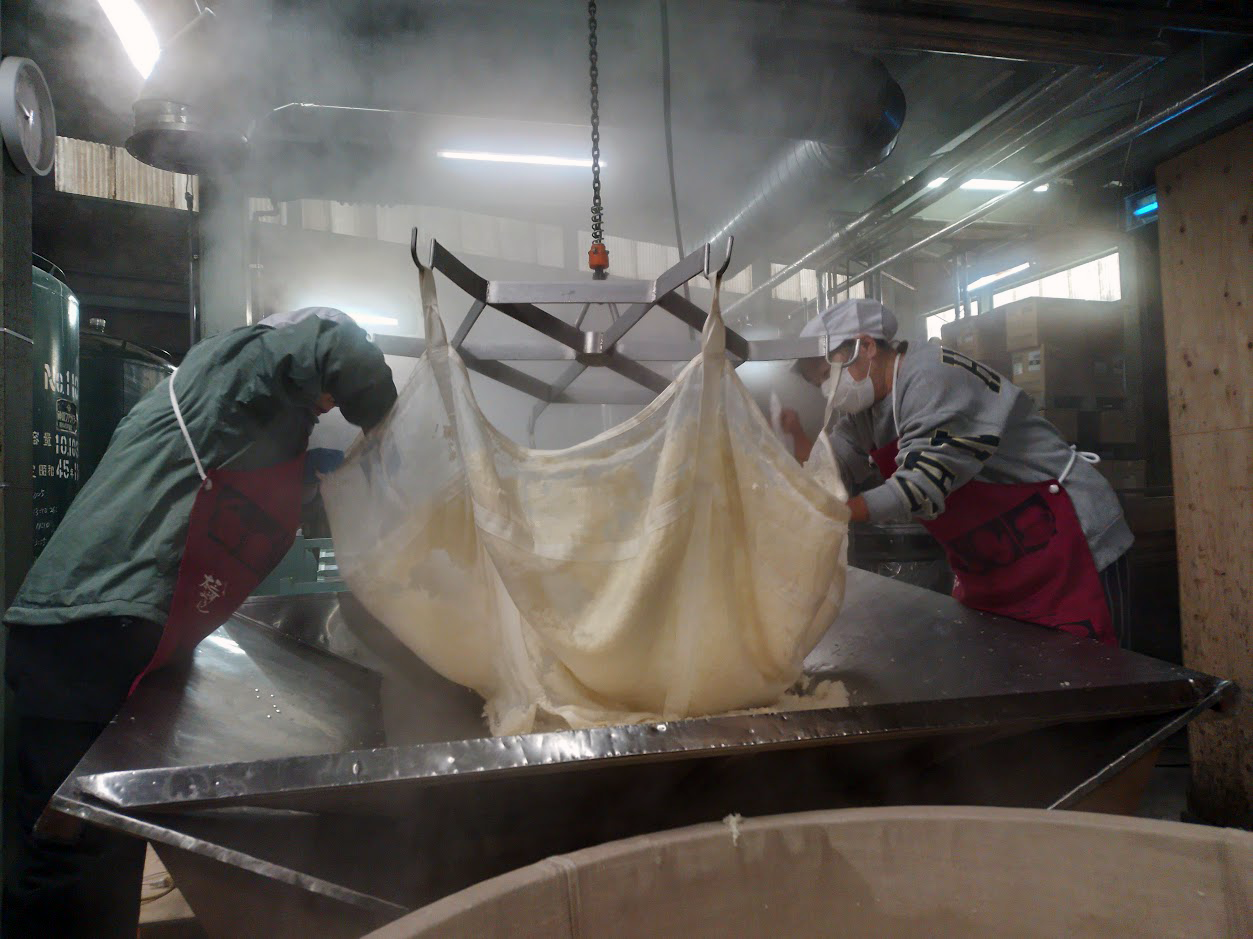
    Since 1924, Sugiura Mirin, based in Hekinan City, Aichi Prefecture, has been dedicated to crafting hon-mirin, or authentic mirin, using time-honored techniques passed down through generations.
    The Power Behind the Sweetness – Discovering the World of Mirin, Japan’s Traditional Sweet Rice Seasoning

    Hekinan: A Coastal Town Steeped in Flavor and Fermentation

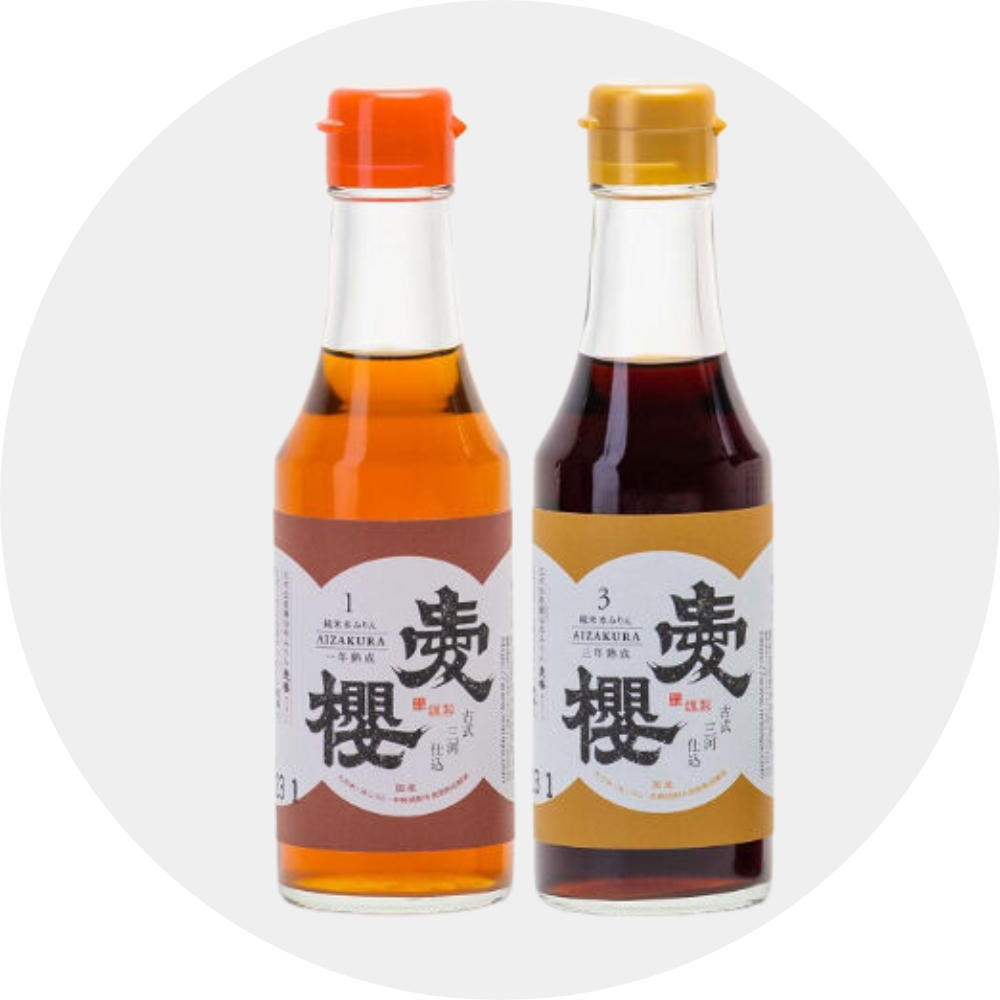
    Their flagship product, Aizakura, is a genuine mirin made from steamed Japanese rice and carefully cultivated rice koji. It undergoes a traditional fermentation process followed by slow aging for over six months. Aizakura comes in both one-year and three-year aged varieties, each offering a deep umami flavor and rich aroma.

    While a perfect match for classic Japanese dishes, Aizakura’s versatility extends far beyond. It enhances sauces, noodle soups, and marinades, and even pairs beautifully with French or Italian cuisine, desserts, and more — elevating the flavor of any dish it touches.

    SADAJIRO Premium — A 23-Year-Aged Liquid Masterpiece
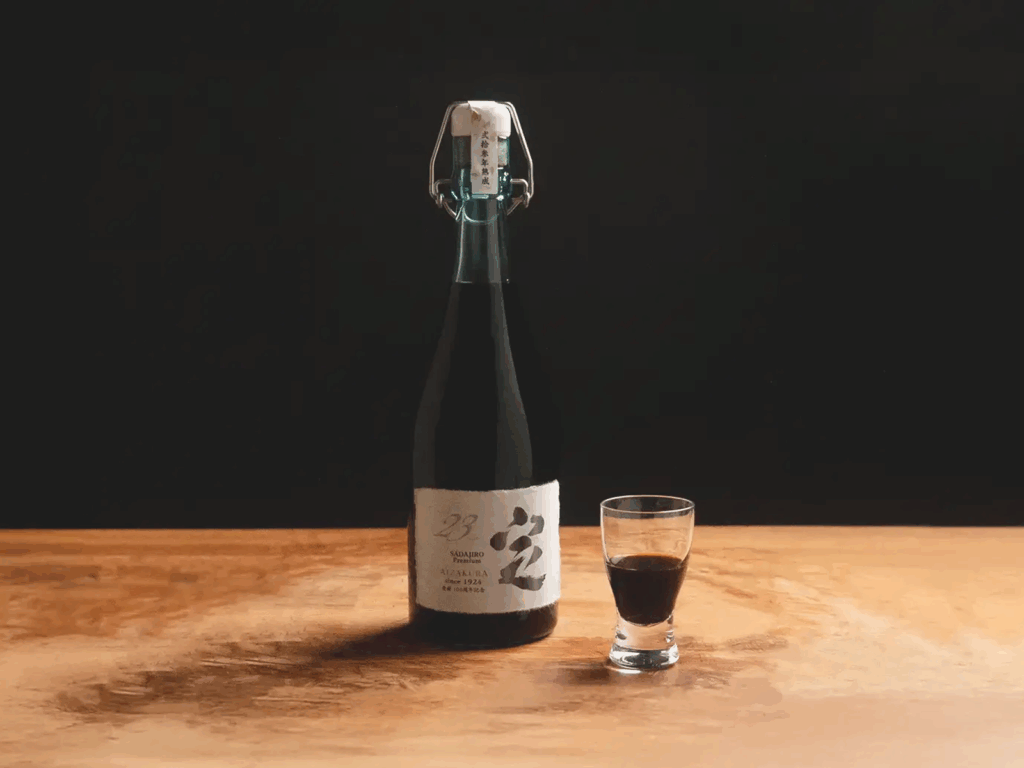
    Crafted with the same care and technique as Aizakura, SADAJIRO Premium is a luxurious sweet sake that has been aged for 23 years. The result is a lusciously dense and mellow flavor profile, balanced with subtle tannins and a touch of acidity.

    On the palate, it envelops the tongue with a velvety texture and reveals a complex, lingering aroma. SADAJIRO Premium is ideal as a refined aperitif, a dessert pairing, or a premium gift for those who appreciate exceptional Japanese craftsmanship.

    The Sugiura Legacy — Tradition Preserved, Taste Rediscovered
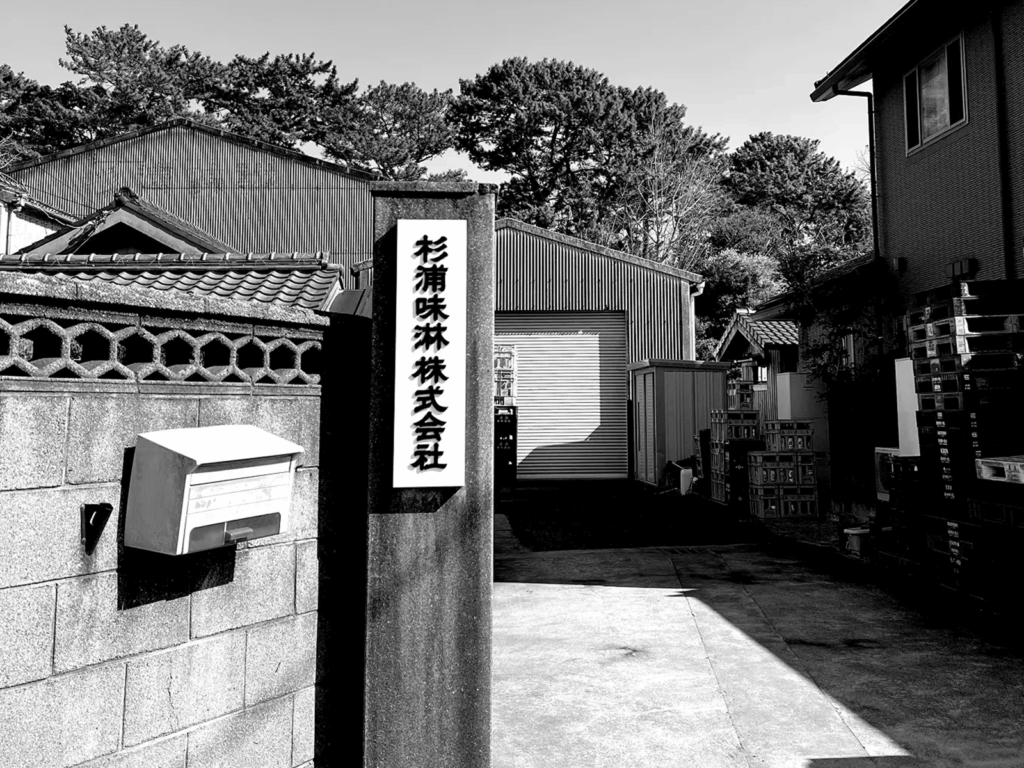
    Sugiura Mirin is a historic mirin brewery founded in 1924. As artificial “mirin-style” condiments became popular, the company faced difficult times. However, under the leadership of current president Yoshinobu Sugiura — the fourth-generation successor — the original recipe of founder Sadajiro Sugiura was revived.

    Thanks to this revival, the authentic taste of hon-mirin has found its way back into the kitchens of top chefs and discerning consumers. Today, Sugiura Mirin continues to expand internationally, sharing Japan’s traditional flavors with the world.

    The brewery has also gained national recognition through appearances on major Japanese television programs, further highlighting the value of real mirin.

    Visit the Brewery — Experience the Heart of Mirin Making
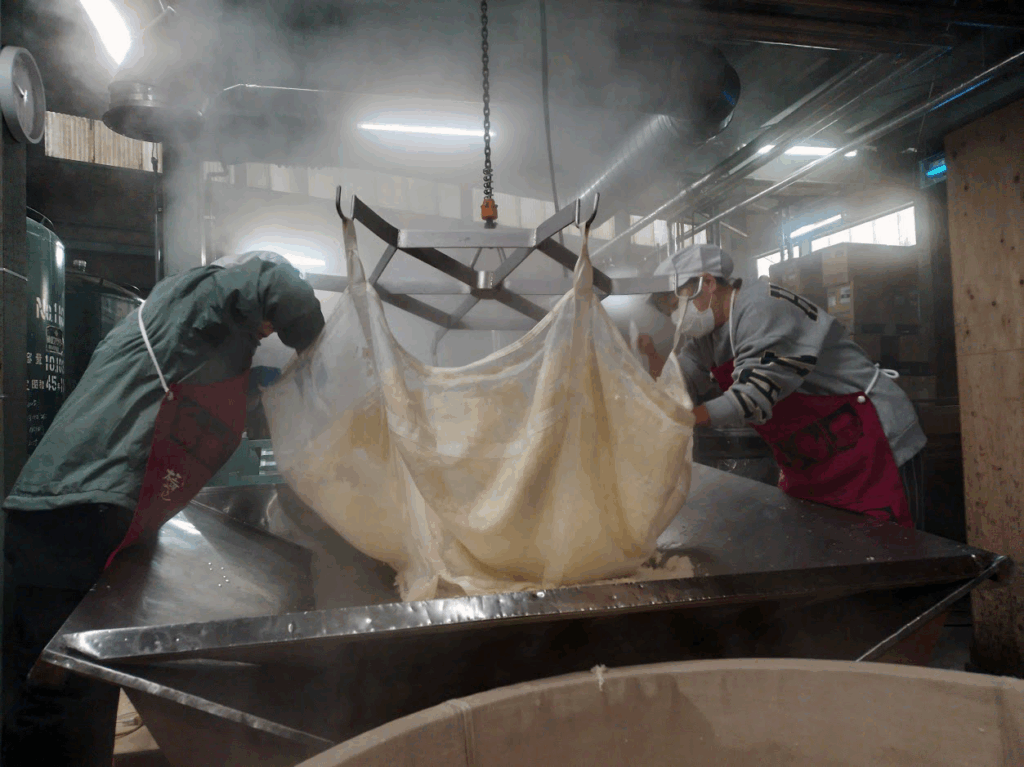
    Sugiura Mirin welcomes visitors by reservation to tour the brewery and explore the traditional methods behind their products. Guests can also purchase mirin and aged sake directly on-site.

    While the tours are conducted in Japanese, international visitors can still enjoy the atmosphere of an authentic Japanese brewing facility — from the aroma of the fermenting rice to the precision of hand-crafted processes. It’s a cultural experience that speaks beyond language.

    Dishes You Can Create with Aizakura — A Touch of Fermented Elegance

    Fermented BBQ Pork
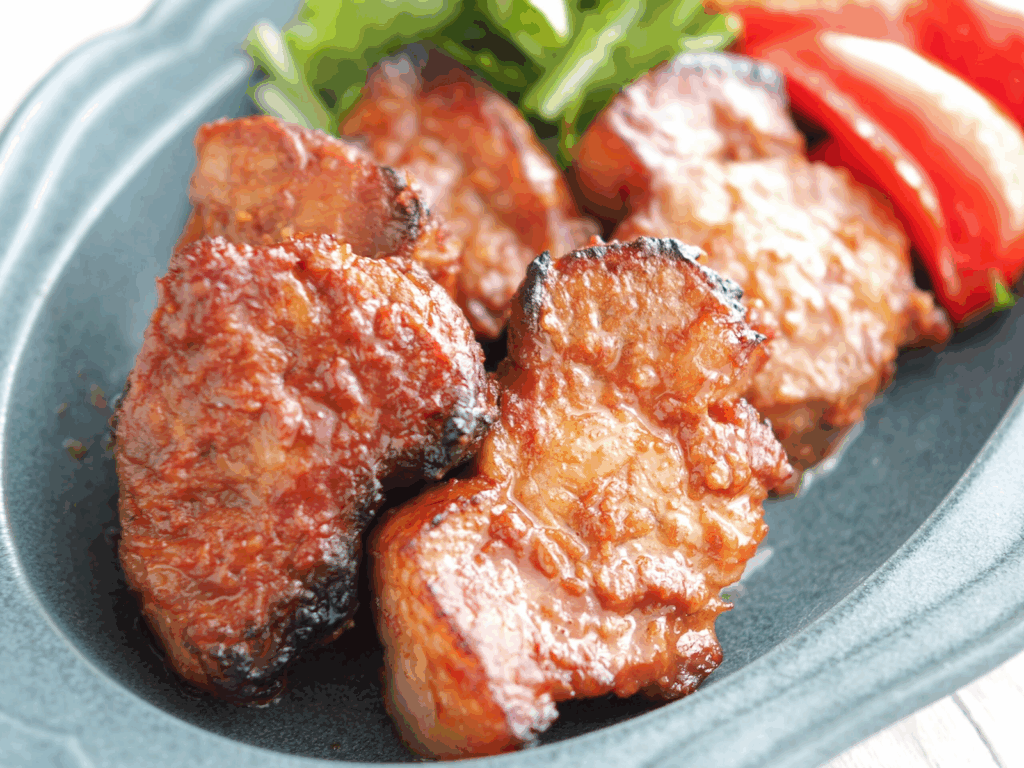
    A sugar-free BBQ delight, naturally sweetened with Aizakura mirin and sweet rice koji. This special fermented BBQ sauce—made with ketchup, soy sauce, and the depth of aged mirin—slowly infuses into tender pork.

    Baked low and slow in the oven, the result is a golden, caramelized exterior with a moist and juicy interior. Thanks to the power of fermentation, the meat becomes exceptionally tender, with an umami-rich flavor that will have you reaching for another bite. Perfect with both rice and sake.

    Japanese-Style Bolognese with Miso and Mirin
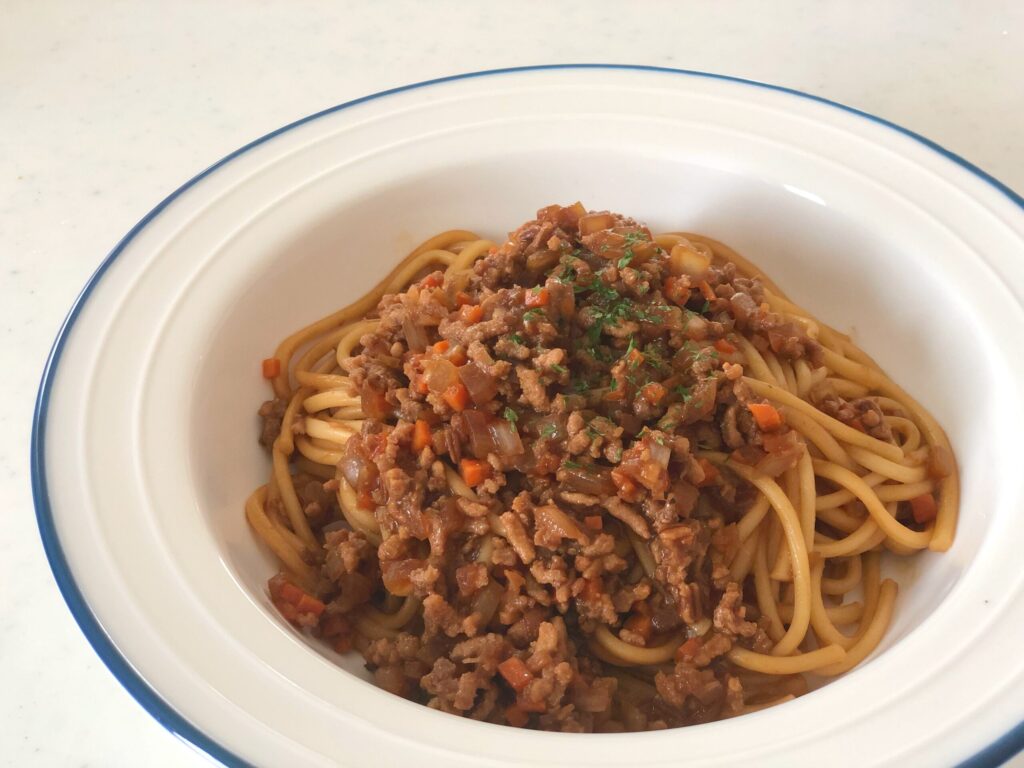
    A nourishing, Japanese take on the classic Italian bolognese. This fusion dish combines savory miso and authentic mirin to deliver a surprisingly light yet deeply flavorful sauce.

    Easy to prepare and rich in taste, it’s a healthy weeknight option that brings together the best of both worlds—comforting pasta with the soul of Japanese cuisine.

    Restaurants Where You Can Enjoy Dishes Made with Aizakura

    Nouka Restaurant Hana no Ya

    A 10-minute drive from Sugiura Mirin.

    This cozy countryside restaurant offers set meals featuring vegetables from its own farm and handmade sausages. A perfect spot to experience wholesome, seasonal Japanese flavors enhanced with Aizakura mirin.

    Kobanten Hanare Ittou

    Just a 5-minute drive from Sugiura Mirin.

    A refined Japanese restaurant known for its creative cuisine centered around heirloom and locally grown vegetables. Traditional yet inventive dishes are beautifully complemented by the deep flavor of Aizakura.
  • What Is a “Michi-no-Eki”?

    A Rest Stop for Travelers – Packed with Local Charm and Hospitality

    A Roadside Oasis for Drivers

    A “Michi-no-Eki” (道の駅) is a roadside rest area found throughout Japan. Originally developed to ensure safe driving by providing free parking, clean restrooms, and a place to relax, these facilities have grown into vibrant community hubs that showcase local products, food, and culture.

    Unlike highway service areas, Michi-no-Eki are usually located along regular roads (not expressways), making them easy to access for all travelers.

    A Gateway to Regional Culture

    Each Michi-no-Eki highlights the unique flavor of its region. You’ll often find:

    • Farmers’ markets with locally grown produce
    • Cafeterias and food stalls offering regional cuisine
    • Tourist information desks with maps, pamphlets, and guidance
    • Shops selling local crafts and souvenirs

    Some Michi-no-Eki even feature hot springs (onsen), foot baths, museums, or small inns, offering a more immersive experience.

    Popular Among International Travelers

    Michi-no-Eki are increasingly popular with international tourists who want to explore Japan’s countryside and local culture.

    Why travelers love them:

    • Access to unique local specialties not found in supermarkets
    • Conveniently located between sightseeing spots
    • Free use of clean restrooms and helpful information
    • Some offer tax-free shopping and multilingual support

    They are especially useful when taking road trips through rural areas or exploring off-the-beaten-path destinations.

    How to Find a Michi-no-Eki

    There are more than 1,200 Michi-no-Eki across Japan, officially certified by the government. Each one has a name like “Michi-no-Eki ○○” and reflects the identity of its local area.

    You can find them through official websites, travel apps, or signage along the road. Some are just quick stops; others are attractions in themselves.

    More Than a Rest Stop – A Cultural Experience

    From delicious regional snacks and handmade crafts to warm hospitality and unexpected discoveries, Michi-no-Eki offer a unique window into local life.

    Next time you travel through the Japanese countryside, consider stopping by a Michi-no-Eki. You might find more than just a place to rest—you’ll find a memorable part of your journey.

  • The Sounds of Summer in Japan – Discovering the Charm of Bon Odori

    Light, rhythm, and connection—A tradition that brings Japanese summer to life

    A Familiar Sound That Signals the Start of Summer

    Every summer evening in Japan, you may hear the beat of taiko drums and the nostalgic melodies of folk songs drifting through the night air. This is Bon Odori, a traditional Japanese summer dance.

    While some events are large festivals, many are organized on a smaller scale by local neighborhood associations. During Obon season, it’s not unusual to stumble upon one just by taking a walk through a residential area after dark.

    Personally, whenever I hear the distant rhythm of Bon Odori coming from somewhere nearby, I find myself thinking, “Ah, summer has truly arrived.” It’s not just the sound of a festival—it feels like the sound of summer itself.

    In this article, I’d love to introduce you to Bon Odori—its origins, how it’s enjoyed today, and the unique regional variations that make it such a special part of Japanese culture.

    A Dance Born from Remembrance and Gratitude

    Bon Odori originates from Obon, a Buddhist tradition during which the spirits of ancestors are believed to return temporarily to the world of the living. Families welcome them with offerings, prayers, and heartfelt remembrance.

    The dance was originally a form of ritual offering—a way to express gratitude and to honor the spirits of the deceased. Over time, it evolved into a festive event that brings communities together and celebrates the season.

    An Open Circle Anyone Can Join

    One of the most beautiful things about Bon Odori is how open and welcoming it is. The dance steps are repetitive and easy to follow, so even if it’s your first time, you can jump right in by copying those around you.

    Some people wear yukata (summer kimono), while others join in wearing casual clothes—there’s no need to worry about being formal. Each region has its own unique songs and styles, such as the popular “Tokyo Ondo,” “Tankō Bushi,” and “Kawachi Ondo.” These dances reflect local stories, history, and identity.

    A Magical Night of Music and Lantern Light

    As evening sets in, the dance area comes alive with glowing paper lanterns, rhythmic taiko drums, and cheerful singing. Dancers usually form a circle around a tall wooden platform called a yagura (a central tower), where drummers and musicians lead the performance.

    The blend of light, sound, and movement creates an atmosphere that feels both festive and nostalgic. Whether you’re dancing or just watching, you’re immersed in a scene that captures the unique beauty of Japanese summer nights.

    A Memorable Summer Experience Across Japan

    From July to August, Bon Odori festivals can be found everywhere—from parks and shrines to small-town streets. While large-scale events like Kyoto’s “Gozan no Okuribi” or Tokushima’s “Awa Odori” attract many visitors, the smaller, community-based dances offer their own warm and intimate charm.

    No matter where you go, you’ll be welcomed with open arms. It’s a wonderful way to connect with local people and feel the everyday joy of Japanese life. If you’re traveling in Japan during summer, be sure to check out a Bon Odori near you—it might just become one of your favorite memories.

    A Tradition That Connects Hearts Through Dance

    Bon Odori is more than just a dance—it’s a reflection of kindness, community, and celebration. It brings people together, honors the past, and lets everyone share in the joy of the present, all through the simple act of moving in a circle.

    Personally, I love how Bon Odori connects people through rhythm and shared experience.

    Just being there makes me smile, and I’m always touched by how complete strangers can join hands—literally or figuratively—and enjoy something together. For me, Bon Odori is one of the most heartwarming symbols of summer in Japan.

  • The Craft Behind the Melt-in-Your-Mouth Flavor – Exploring the World of Hida Beef, Gifu’s Renowned Wagyu

    One of Japan’s Most Celebrated Wagyu Brands

    Hida Beef is a premium wagyu brand raised in Gifu Prefecture, known for its beautiful marbling and exceptionally tender texture.

    Produced from high-quality Japanese Black (Kuroge Washu) cattle, Hida Beef stands out for its melt-in-your-mouth richness and deep, savory flavor.

    Among Japan’s many wagyu brands, Hida Beef enjoys a stellar reputation both domestically and internationally. It’s cherished by food lovers who appreciate top-grade meat and traditional craftsmanship.

    What Defines Hida Beef?

    To be certified as “Hida Beef,” the meat must meet the following strict criteria:

    • The cow must be a Japanese Black raised in Gifu Prefecture for at least 14 months.
    • It must be certified by the Hida Beef Brand Promotion Association.
    • The meat must receive a quality grade of 3 or higher (with A4 and A5 being the highest and most prized).

    In other words, Hida Beef represents the pinnacle of quality in terms of breeding, environment, and care, backed by a rigorous certification system that ensures every cut lives up to its name.

    Fine Marbling and a Delicate, Refined Flavor

    What makes Hida Beef so special is its exceptional marbling, or “sashi” in Japanese.
    The intricate layers of fat running through the meat give it a smooth texture and rich aroma when cooked. As the fat gently melts, it enhances the umami and leaves a clean, mellow aftertaste.

    This balance of richness and delicacy makes Hida Beef ideal for various dishes, including grilled steaks, sukiyaki, shabu-shabu, or even eaten raw in sushi-style preparations.

    Where to Enjoy Hida Beef: Takayama and the Hida Region

    The best way to experience Hida Beef is to visit the Hida region in northern Gifu Prefecture, especially cities like Takayama, Hida, and Gero. These areas offer a wide range of dishes that highlight the quality and versatility of the meat.

    Popular ways to enjoy Hida Beef include:

    Aburi sushi

    light seared slices of Hida Beef served atop vinegared rice

    Skewers (kushiyaki)

    a delicious and easy street food favorite

    Hamburg steaks and curry rice

    casual dishes with a gourmet twist

    Traditional meals at ryokan or restaurants

    featuring hot pots, steaks, or sukiyaki courses

    Each restaurant puts its own spin on how Hida Beef is prepared and presented, making every meal a unique experience worth savoring.

    Craftsmanship Behind the Brand

    Behind every slice of Hida Beef is the dedication of local farmers and producers who take pride in their work.

    The cattle are raised with care in a pristine natural environment, given clean water, fresh air, and quality feed.

    The region also employs a rigorous traceability system, allowing consumers to know exactly where their beef comes from. This ensures transparency, safety, and trust in every bite.

    A Dish That Embodies Japanese Hospitality

    Hida Beef is more than just a premium ingredient—it’s a reflection of Japan’s hospitality and culinary craftsmanship.

    Whether you’re visiting Gifu on a trip or sharing a special meal with someone important, enjoying Hida Beef offers a taste of both the region’s bounty and the people’s devotion to quality.

    It’s a meal that tells a story—one of nature, care, and the quiet pride of those who craft something truly exceptional.