Category: Interest

  • Aichi Prefecture’s Traditional Craft|Mikawa-yaki

    What Is Mikawa-yaki?

    Mikawa-yaki is a general term for pottery molded and fired in the Nishi-Mikawa region of Aichi Prefecture, mainly in Hekinan, Anjo, Nishio, and Takahama. It was registered as a Regional Collective Trademark under the name “Mikawa-yaki” in 2020, and is widely distributed as everyday goods and gardening or outdoor items such as flowerpots, shichirin (charcoal grills), and fire-extinguishing jars.

    Representative uses include shichirin and grills, flowerpots, fire-extinguishing jars, ceramic plates for roasting, and stone-baked sweet potato jars. These products are commonly used in daily life, gardening, and outdoor activities.

    History of Mikawa-yaki

    Origins and Development

    The origins of Mikawa-yaki trace back to the Tenpō era (1830–1844) at the end of the Edo period, when potters migrated from what is now Yamaguchi Prefecture to the Shinkawa area of Hekinan. They began producing shichirin, grills, and kamado stoves, marking the beginning of the craft.

    In the early Showa period, the region had many pottery factories—said to number 156 at the time. A distinctive “dual-layer firing” shichirin and grill was developed using heat-resistant diatomaceous earth from Ishikawa Prefecture for the inner layer and Mikawa clay for the outer layer. This produced highly heat-resistant and insulating products, establishing the unique characteristics of Mikawa-yaki.

    Because of this background, Mikawa-yaki has long been regarded not simply as pottery, but as functional tools and everyday items rooted in local life.

    Characteristics, Products, and Uses

    Pottery Made with High-Quality Mikawa Clay

    Mikawa-yaki is primarily made using high-quality local clay known as Mikawa clay.

    Using this clay, craftsmen produce everyday items such as flowerpots, shichirin, fire-extinguishing jars, and grills. The clay composition and firing techniques are adjusted depending on the intended use, improving functional performance.

    Strengths of Practical Items such as Shichirin, Grills, and Fire-Extinguishing Jars

    Representative products of Mikawa-yaki include shichirin and ceramic grills. The dual-layer structure developed in the early Showa period—with diatomaceous earth inside and Mikawa clay outside—offers excellent heat efficiency and durability. These items are still produced and shipped today.

    Fire-extinguishing jars, ceramic containers used to safely extinguish and store charcoal after cooking, are another practical tool that symbolizes Mikawa-yaki’s everyday usefulness.

    Wide Production of Flowerpots and Gardening Pottery

    Mikawa-yaki is also widely used in gardening, producing items such as flowerpots, orchid pots, unglazed pots, and earthenware planters. Due to the nature of Mikawa clay, unglazed pots have excellent breathability and drainage, making them suitable for growing various plants.

    The “Mikawa-yaki” Regional Brand

    Based on its history and product characteristics, Mikawa-yaki was officially registered as a Regional Collective Trademark in 2020. Applicable products are defined as “shichirin and flowerpots molded and fired in Hekinan, Anjo, Nishio, and Takahama.”

    This registration ensures quality standards and strengthens trust in products labeled “Mikawa-yaki,” clearly defining its value as a regional brand.

    The Mikawa Pottery Cooperative Association, consisting of multiple kilns and manufacturers, continues to produce and sell flowerpots, shichirin, and fire-extinguishing jars—preserving the tradition and quality of Mikawa-yaki.

    Charm and Modern Appeal of Mikawa-yaki

    The appeal of Mikawa-yaki lies not only in its history and tradition but also in its practicality and connection to everyday life. Whether growing plants in flowerpots, enjoying charcoal grilling using a shichirin, or safely reusing charcoal with a fire-extinguishing jar, these tools remain useful in modern lifestyles.

    With unified branding and quality assurance, products labeled “Mikawa-yaki” offer users a sense of trust and reliability.

    In recent years, Mikawa-yaki has gained renewed attention in fields such as gardening, DIY, outdoor activities, and interior design, being re-evaluated as pottery that fits modern lifestyles while retaining tradition.

    Summary

    Mikawa-yaki is a traditional craft and regional industry supported by the high-quality clay of Nishi-Mikawa and deeply rooted practical tools such as shichirin, grills, flowerpots, and fire-extinguishing jars. With its established status as a Regional Collective Trademark, it is valued not merely as a traditional craft but as a practical item that remains relevant today.
  • Aichi Prefecture’s Traditional Craft|Tokoname-yaki

    What Is Tokoname-yaki?

    Tokoname-yaki, one of Japan’s Six Ancient Kilns, is pottery produced mainly in Tokoname City, Aichi Prefecture. It has a history stretching from the late Heian period to the present. Known as a major production area for everyday items such as teapots, jars, and storage vessels, Tokoname is especially renowned for its vermilion clay teapots, which are highly valued throughout Japan.

    History

    Ancient to Medieval Period

    Tokoname-yaki began in the late Heian period and flourished during the medieval era as a major production site for large bowls, jars, and storage vessels. Hundreds of anagama (tunnel kilns) were built in the hilly regions of Tokoname, supplying utilitarian pottery to regions across the country.

    Early Modern to Modern Period

    During the Edo period, production of daily-use pottery continued. In the modern era, Tokoname grew into a major source of clay pipes, tiles, and other architectural materials. Tokoname’s clay pipes, in particular, were suited to mass production and became essential products supporting infrastructure development across Japan.

    Characteristics

    1. Beautiful Vermilion Clay Color

    A hallmark of Tokoname-yaki is the red clay known as “shudei.” When fired, the iron-rich clay produces a distinctive reddish-brown color. The pieces are often unglazed, allowing the natural texture of the clay to stand out.

    2. Excellent High-Temperature Firing Techniques

    Tokoname-yaki often uses high-temperature firing without glaze, resulting in pottery with low water absorption that is strong and durable. This technique is ideal for teapots and clay pipes, which require long-lasting strength.

    3. Teapots That Enhance the Flavor of Tea

    Vermilion clay teapots are known for softening the bitterness of tea due to the minerals in the clay, producing a milder taste. The fine “obi-cha koshi” strainer and “sasame” (a precise ceramic strainer) are also highly regarded for their craftsmanship.

    Representative Products

    • Vermilion clay teapots
    • Jars and storage vessels (for sake, miso, pickles, etc.)
    • Tokoname tiles and clay pipes
    • Flower pots (noted for breathability and drainage)

    Tokoname-yaki Today

    Today, Tokoname is not only a traditional teapot-producing region but also home to young potters creating new ceramic designs. Events such as the “Tokoname-yaki Festival” and facilities like the “INAX Live Museum” offer opportunities to experience its culture and history, helping preserve Tokoname’s ceramic heritage throughout the region.

  • Aichi Prefecture’s Traditional Craft|Seto-yaki

    What is Seto Ware?

    Seto ware is a representative type of pottery that has been passed down mainly in Seto City, Aichi Prefecture. Its origins are ancient, and by the medieval period, ceramics using ash glaze and iron glaze were already being produced. Everyday items such as tea bowls, plates, and jars have long been commonly made, and Seto ware is known for its focus on practical vessels for daily life.

    Why Seto Ware Developed Uniquely

    Rich Clay Suitable for Pottery Production

    The area around Seto contains abundant clay layers ideal for pottery. Various types of clay are found here, including clay with low iron content that turns white when fired and highly fire-resistant clay. These diverse soil qualities have enabled the production of a wide range of ceramics.

    Accumulated Glazing Techniques

    In Seto, glazes such as ash glaze and iron glaze have been used since ancient times. With many types of glazes and techniques built up over long periods, Seto ware features vessels with a wide variety of expressions—ranging from pieces with transparency to those with deep, rich colors.

    Growth in Everyday Tableware Production

    From the Muromachi period onward, everyday utensils such as tea bowls, plates, and small bowls were produced in large quantities in Seto. Especially during the Edo period, practical ceramics for common households were widely supplied, establishing Seto as a major production center for daily-use pottery. This history forms the foundation for the diverse styles seen in Seto ware today.

    Representative Techniques and Expressions

    Ash Glaze (Kaiyū)

    Made from wood ash, this glaze is known for its transparency and soft luster. Simple yet full of character, it is one of Seto’s most iconic glazes.

    Iron Glaze (Tetsuyū)

    This glaze contains iron, producing calm tones ranging from dark brown to blackish hues. Its refined, subdued texture has made it a traditional glaze used in Seto for centuries.

    Akatsu Ware and Its Variety of Glazes

    Akatsu ware, produced in the Akatsu district of Seto City, is known for its wide range of glaze varieties. Traditional glazes such as ash glaze, iron glaze, Ki-Seto, Shino, Oribe, and Ofuke have been passed down, making Akatsu ware a symbol of Seto’s rich glaze culture.

    Seto Ware Today

    Modern Seto is home to many artists and studios who build upon traditional techniques while exploring new forms of expression. Exhibitions, solo shows, and studio displays are held regularly, and works range from tableware to interior pieces. With its long history and diverse techniques, Seto continues to create pottery suited to contemporary

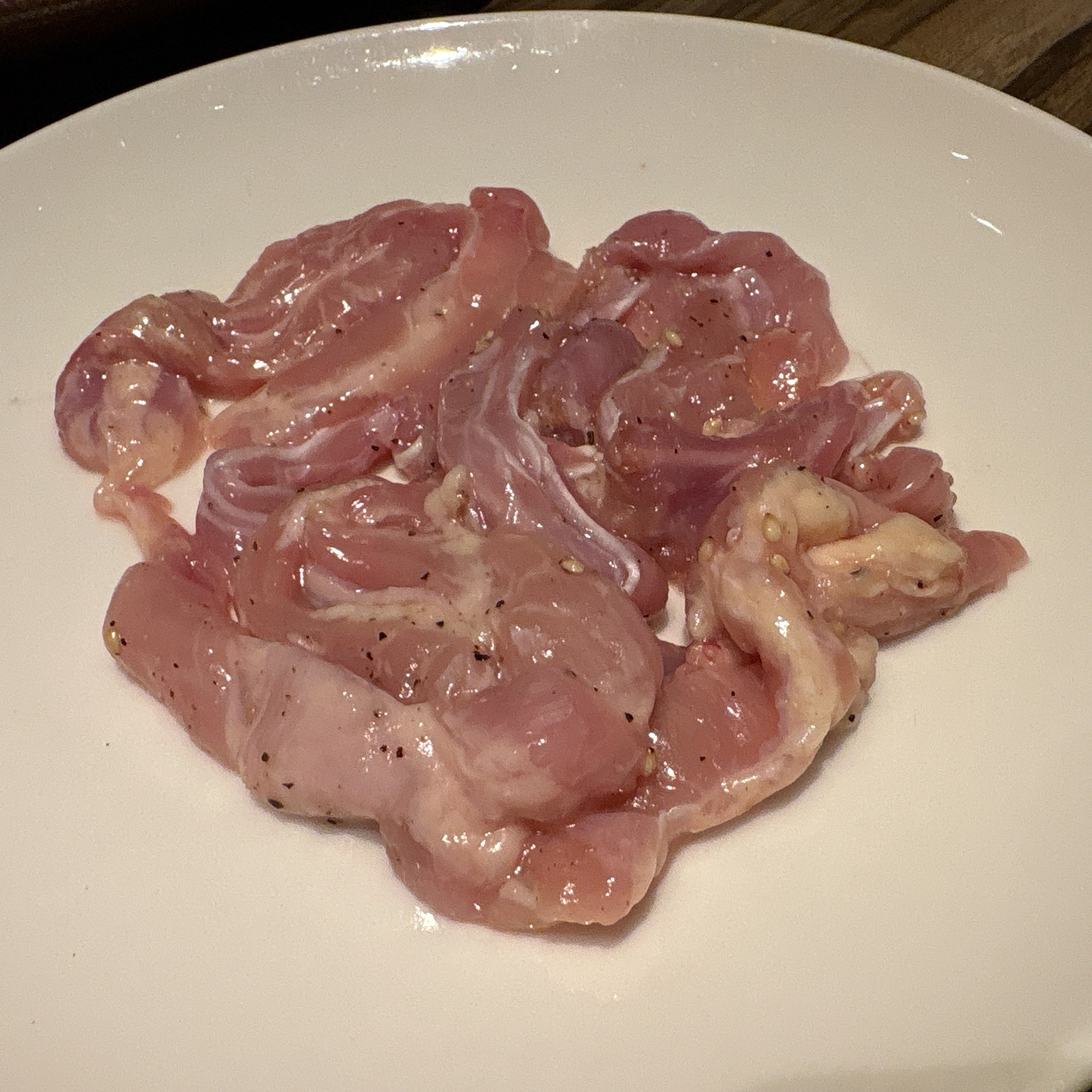
  • Yakiniku Choshun Kariya — Enjoy Quality Grilled Meat at a Reasonable Price in a Spacious Setting Near Kariya Station

    Yakiniku Choshun Kariya — Enjoy Quality Grilled Meat at a Reasonable Price in a Spacious Setting Near Kariya Station

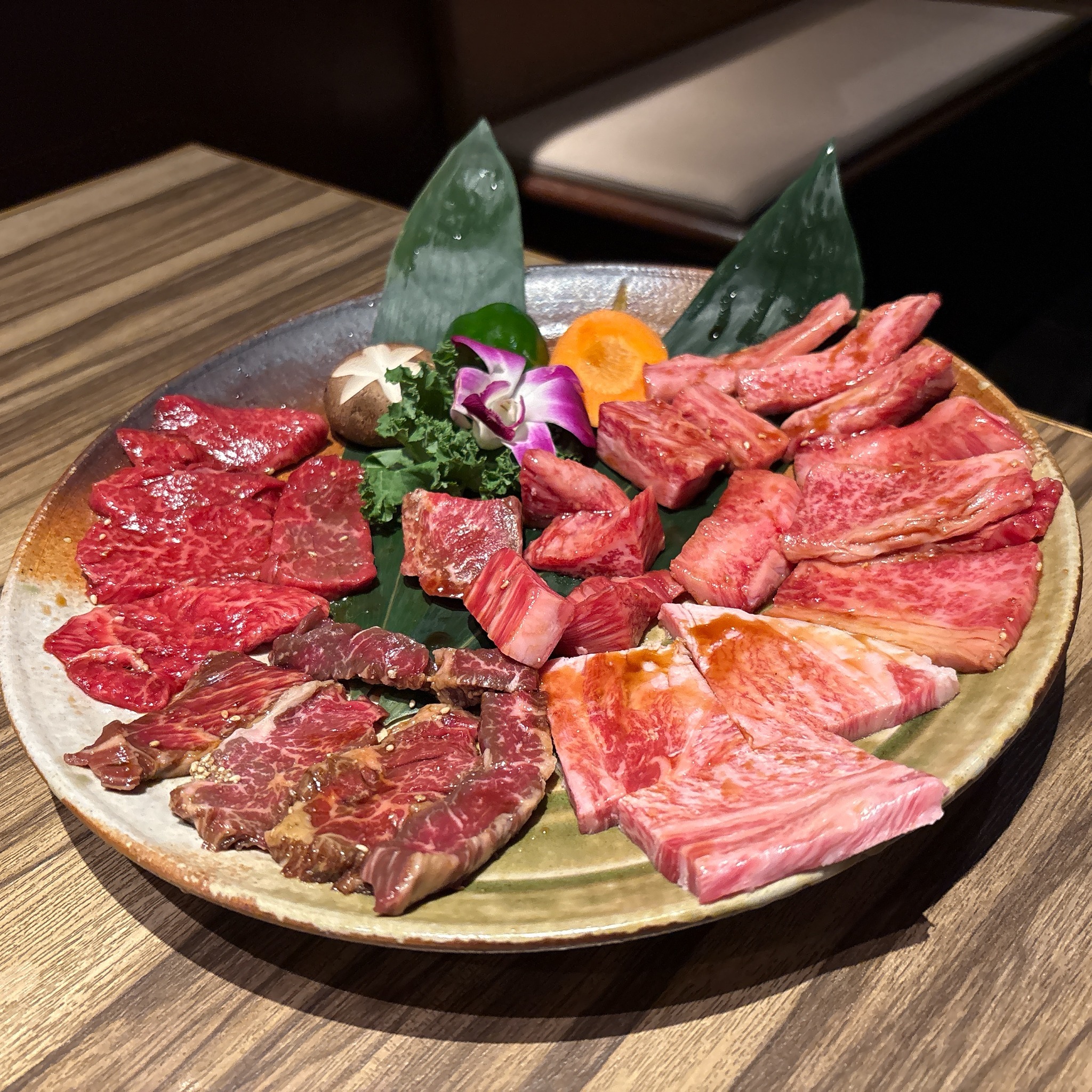
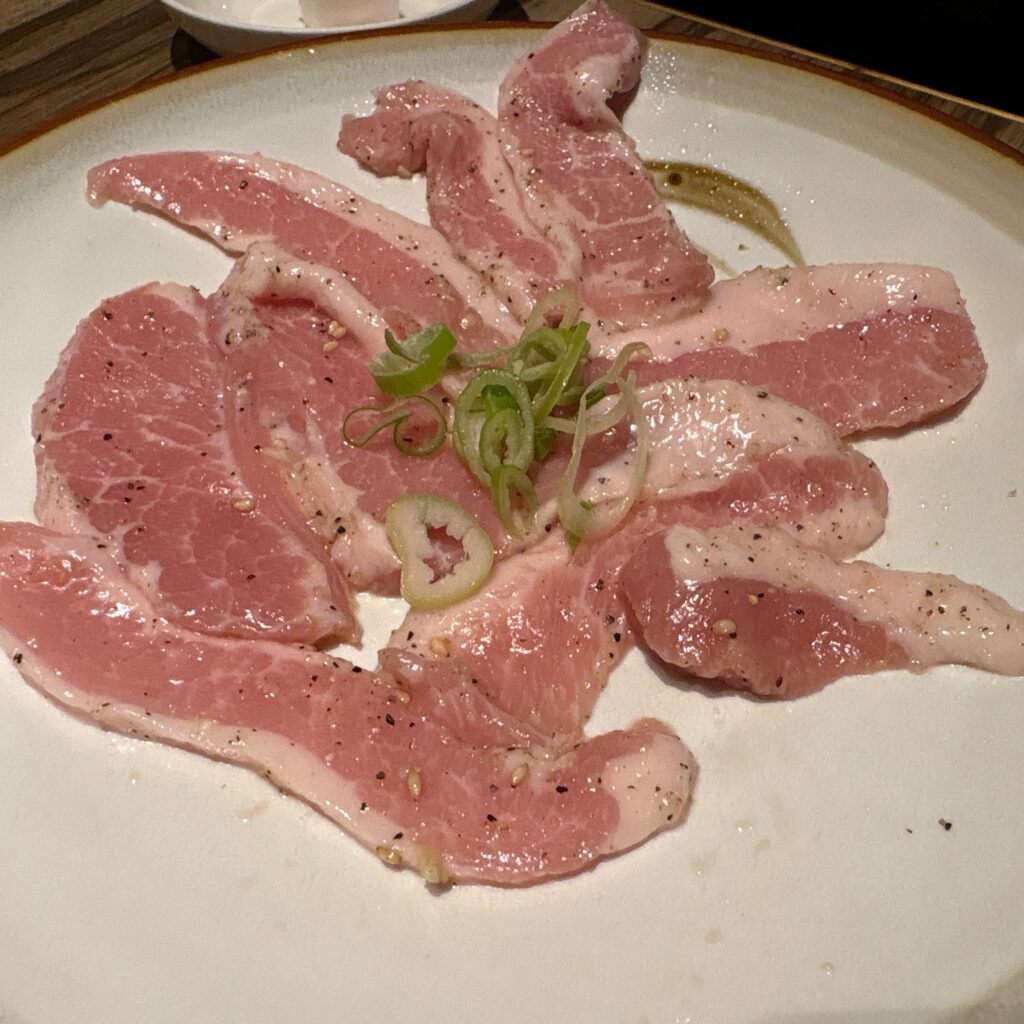
    Located just a short walk from Kariya Station, Yakiniku Choshun Kariya offers high-quality grilled meat at reasonable prices. With 270 spacious seats, it’s the perfect place to relax and enjoy delicious yakiniku with family, friends, or colleagues around a large table.

    The secret behind Choshun’s great flavor lies in its direct sourcing from the Minami Market in Nagoya. Each cut of meat is carefully inspected for marbling and texture, selected with expertise built over many years. By purchasing directly at wholesale prices, Choshun can provide premium-quality meat at an affordable price.

    With the belief that “lowering prices doesn’t mean lowering quality,” Choshun continues to refine its craft and experience. Every dish served is one they can proudly call truly delicious. Their philosophy—“Good meat makes people happy”—is at the heart of what makes their food so special.

    Another highlight of Choshun is its handmade flavor. For example, the popular kimchi is still made entirely by hand, just as it was in the past. Depending on the season and the quality of the Chinese cabbage, the amount of salt, spice mix, and fermentation temperature are adjusted with care. This homemade kimchi is a true testament to craftsmanship and dedication.

    Choshun’s secret yakiniku sauce is another key to its deliciousness. Made by simmering ingredients like sugar crystals, garlic, ginger, soy sauce, and chili peppers over time, this handmade sauce concentrates rich umami flavor that perfectly complements the grilled meat.

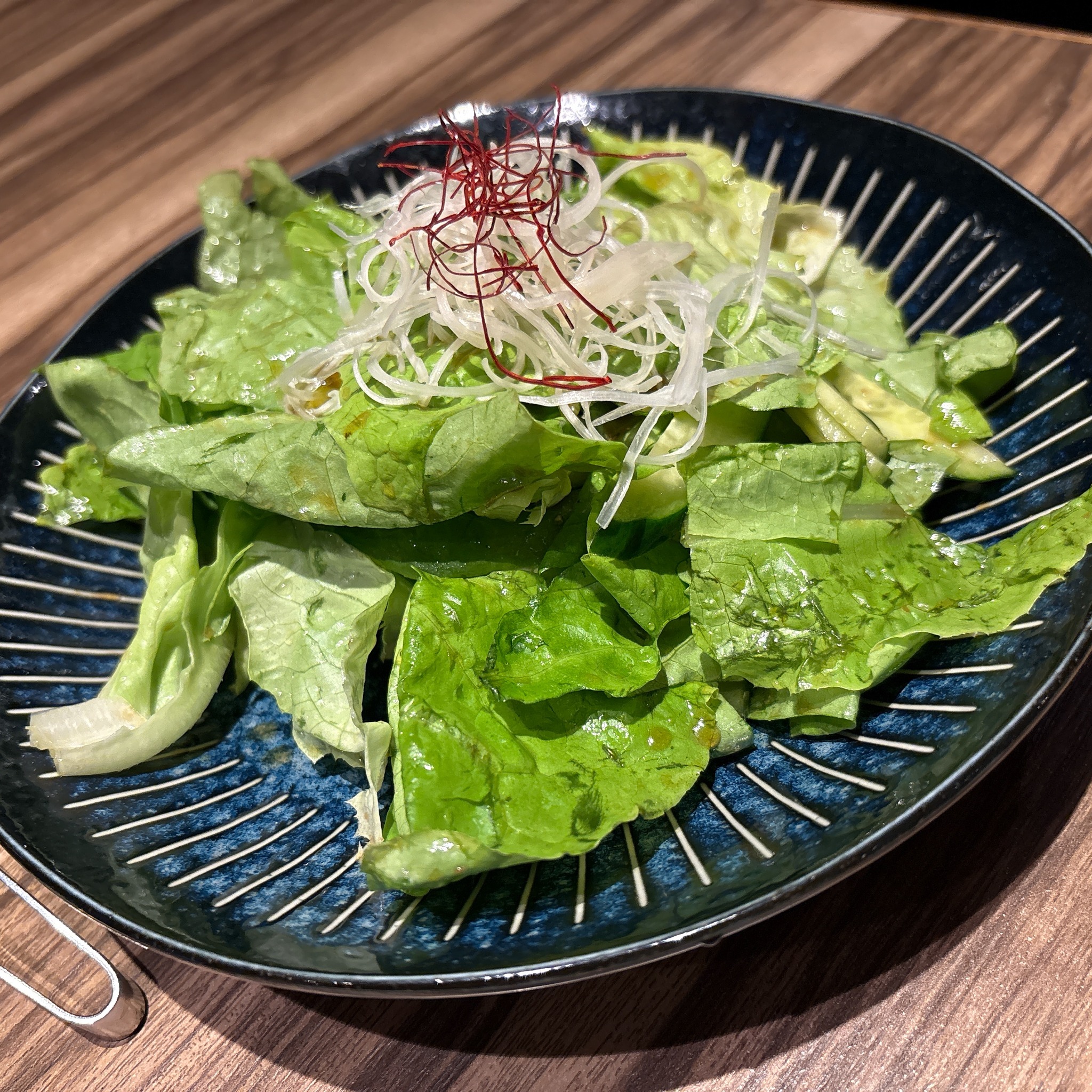
    The homemade soy-based dressing used in the salads is also a favorite among customers. With its refreshing yet savory taste, it enhances every side dish and completes the Choshun dining experience.

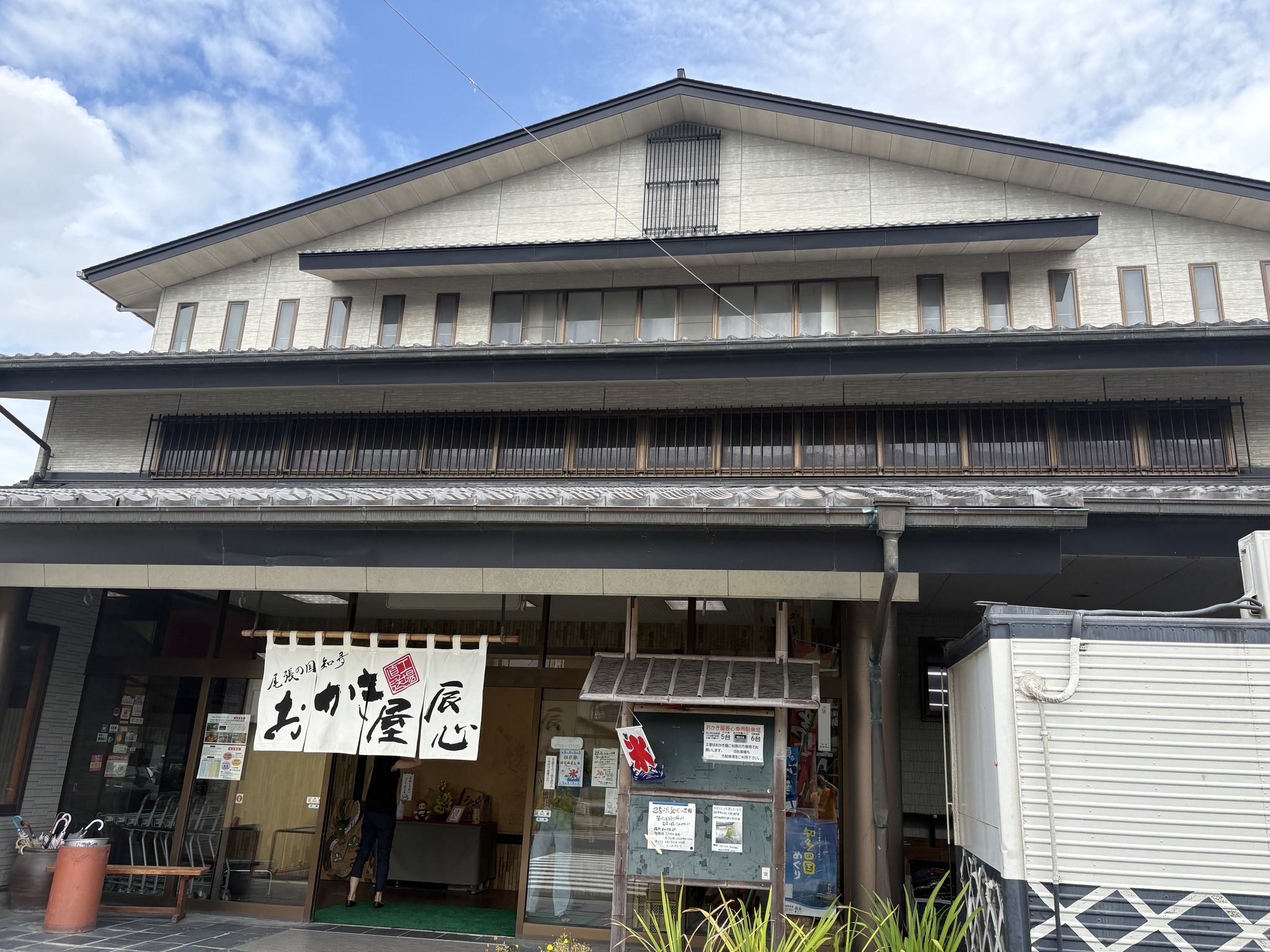
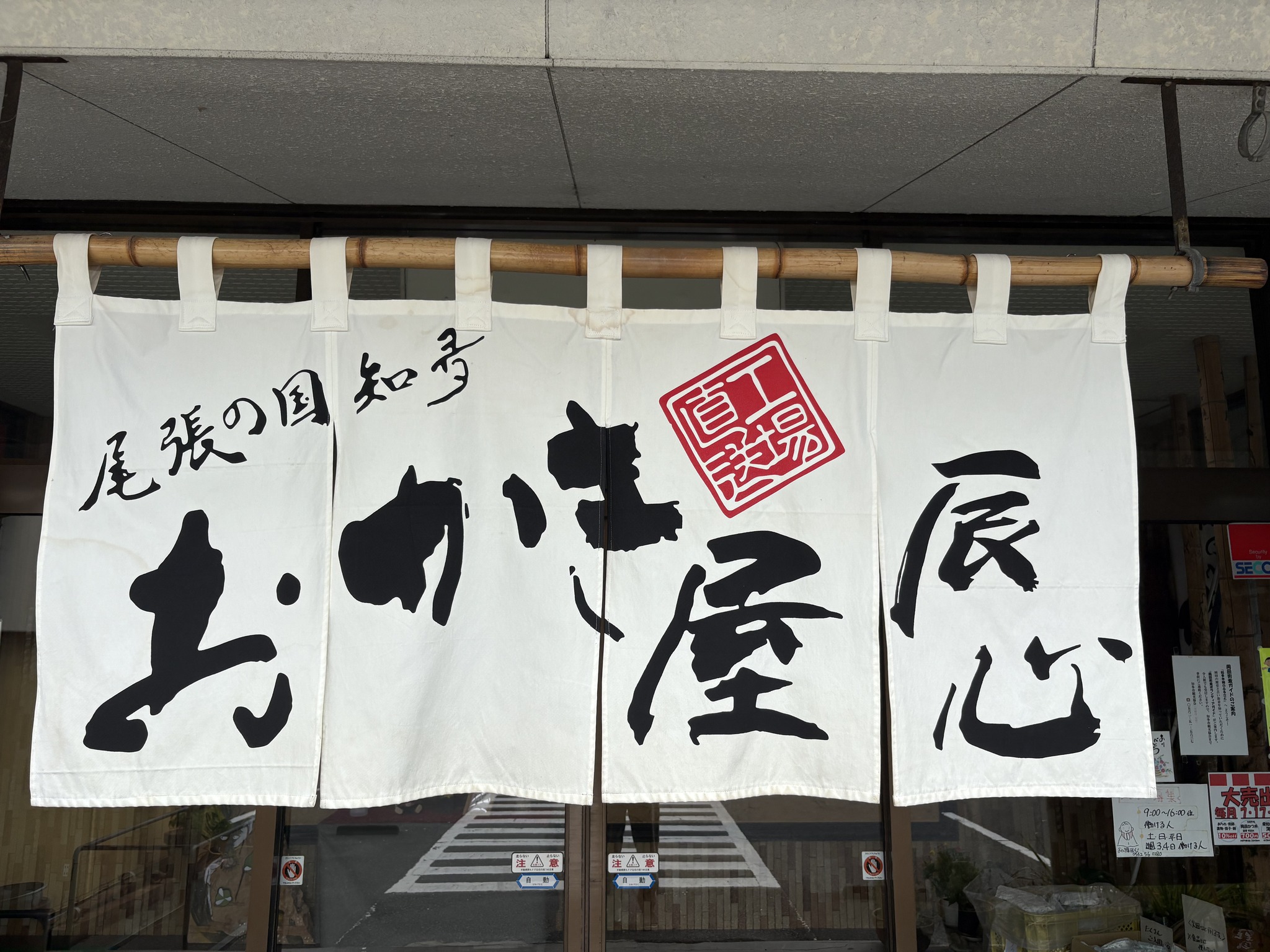
  • Colorful Okaki That Lift Your Spirits – “Okakiya Tatsushin” in Chita City

    Colorful Okaki That Lift Your Spirits – “Okakiya Tatsushin” in Chita City

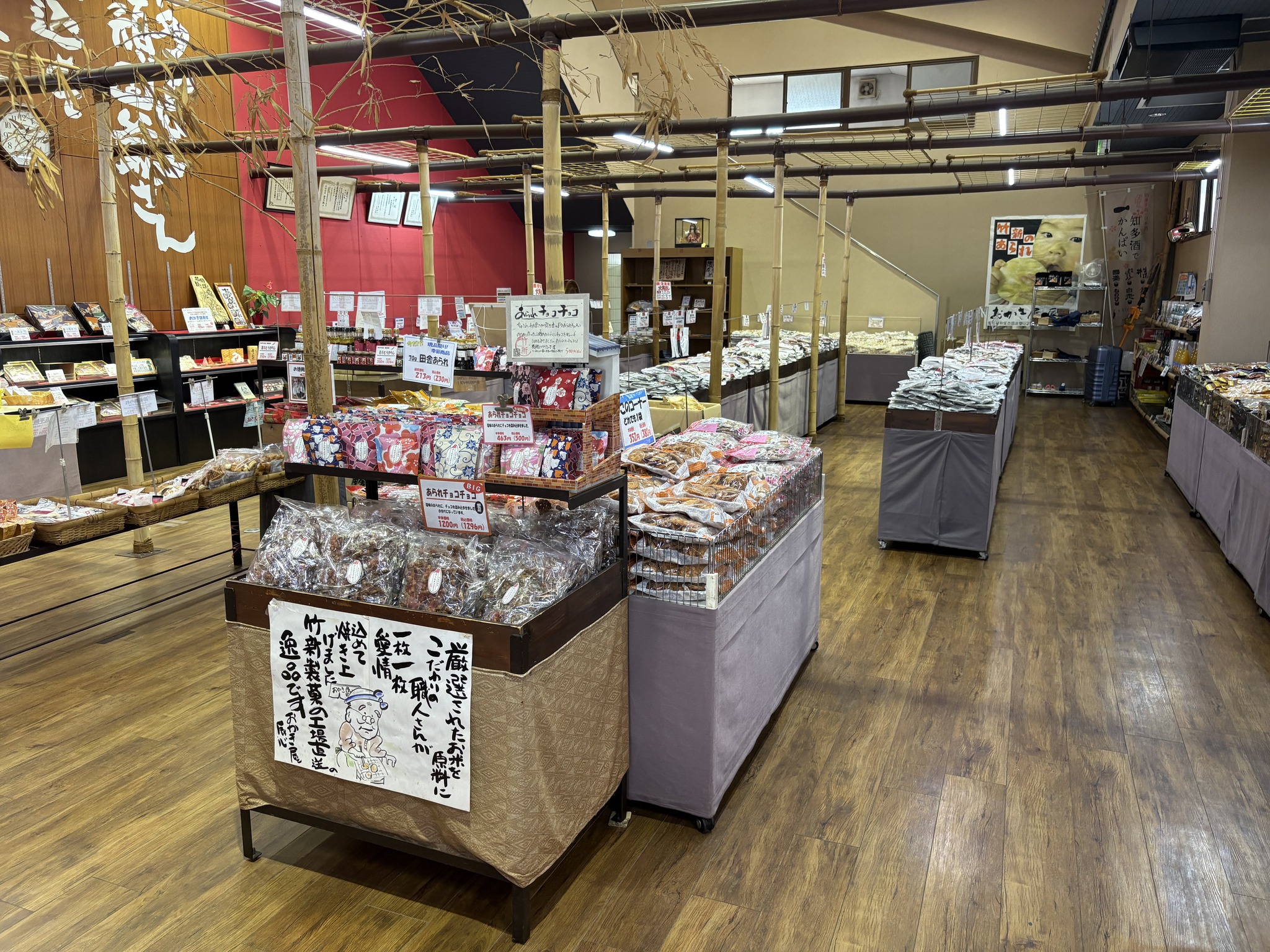
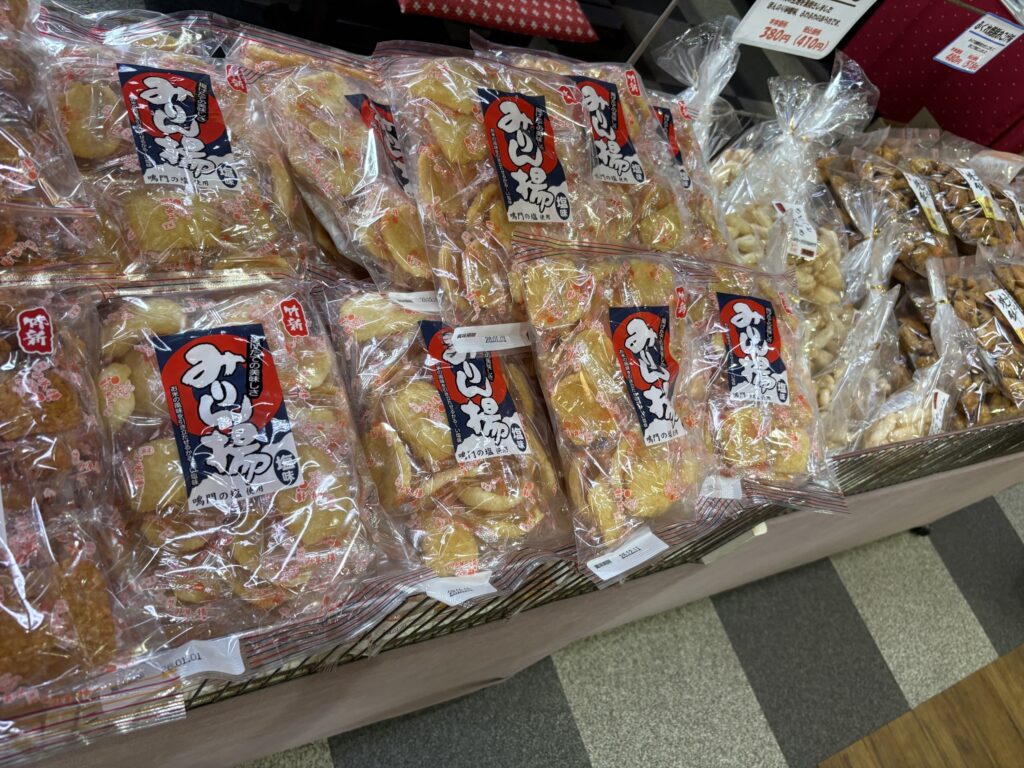
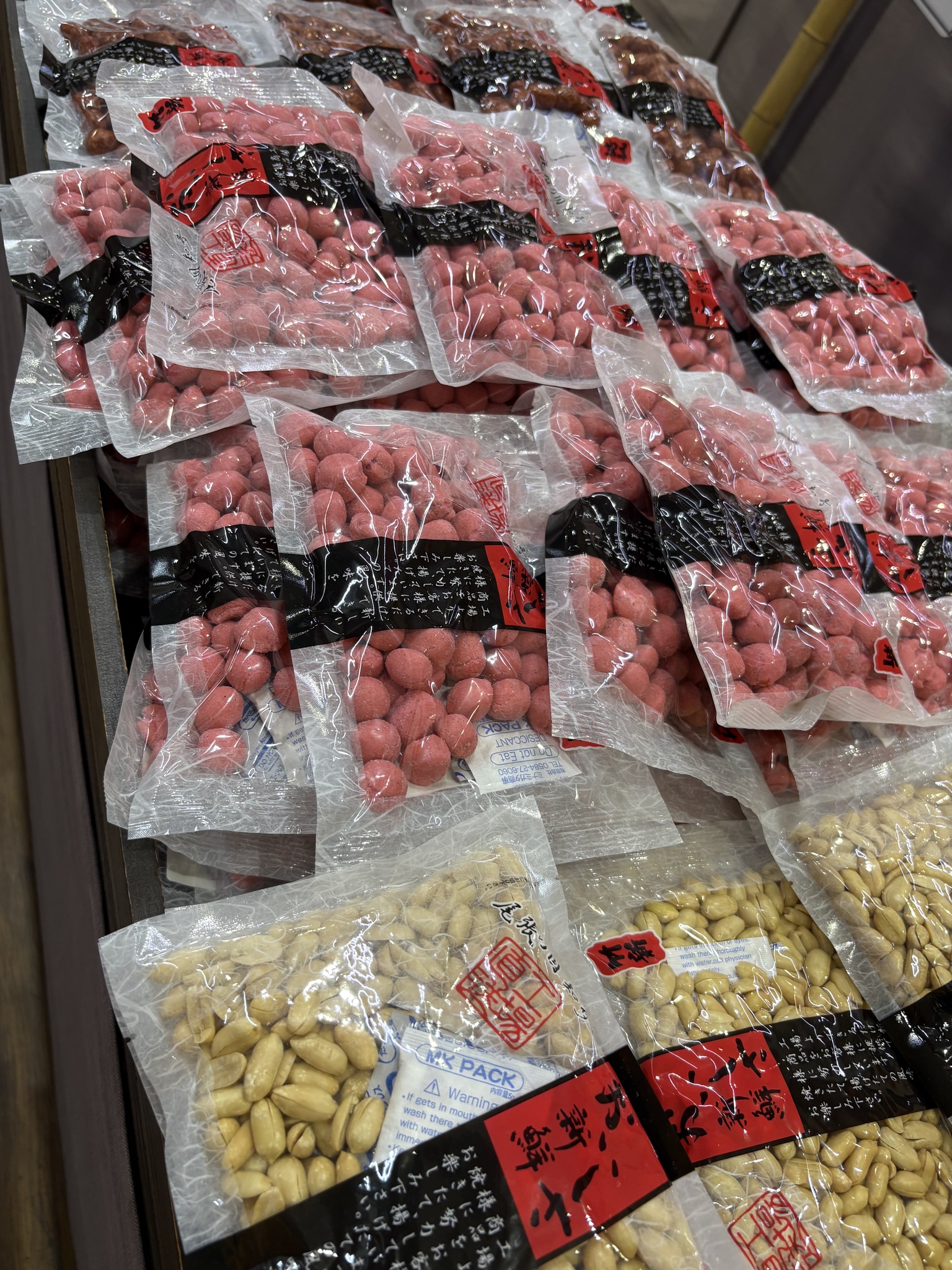
    Located in Okada, Chita City, Okakiya Tatsushin is a specialty shop that handles everything from production to direct sales of okaki, a traditional Japanese rice cracker made from glutinous rice.

    What Is “Okaki”? – A Traditional Japanese Snack Made from Glutinous Rice

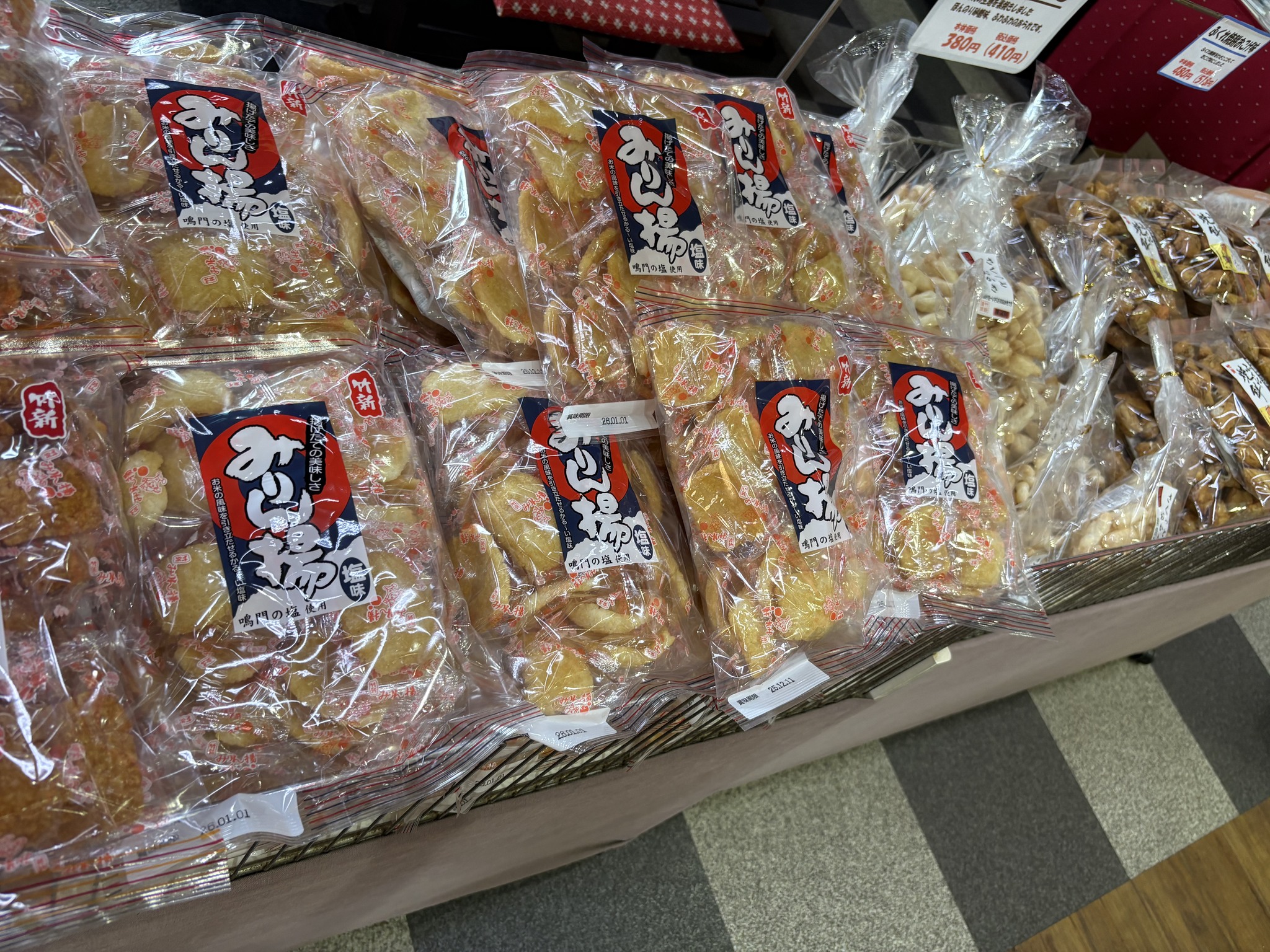
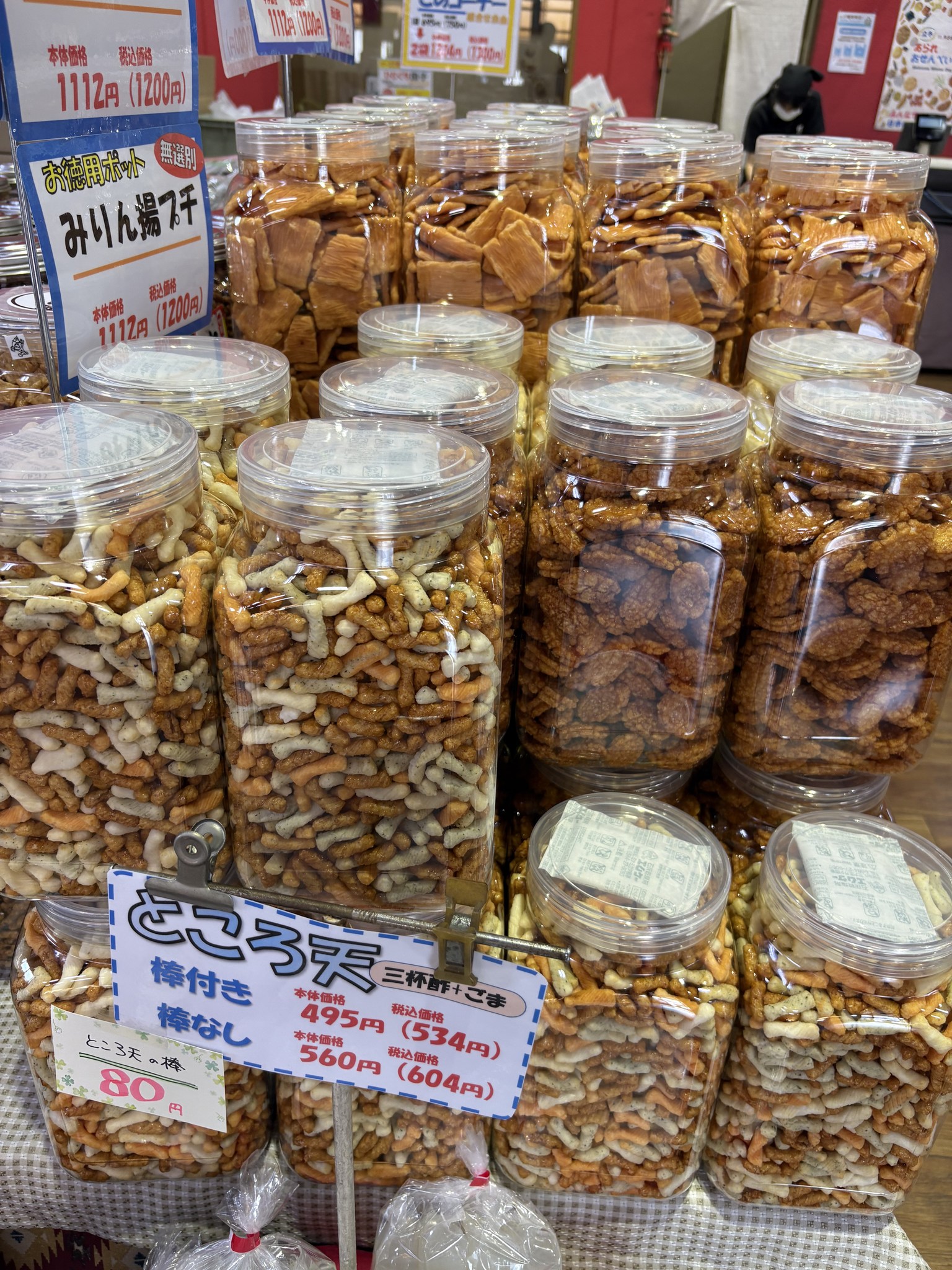
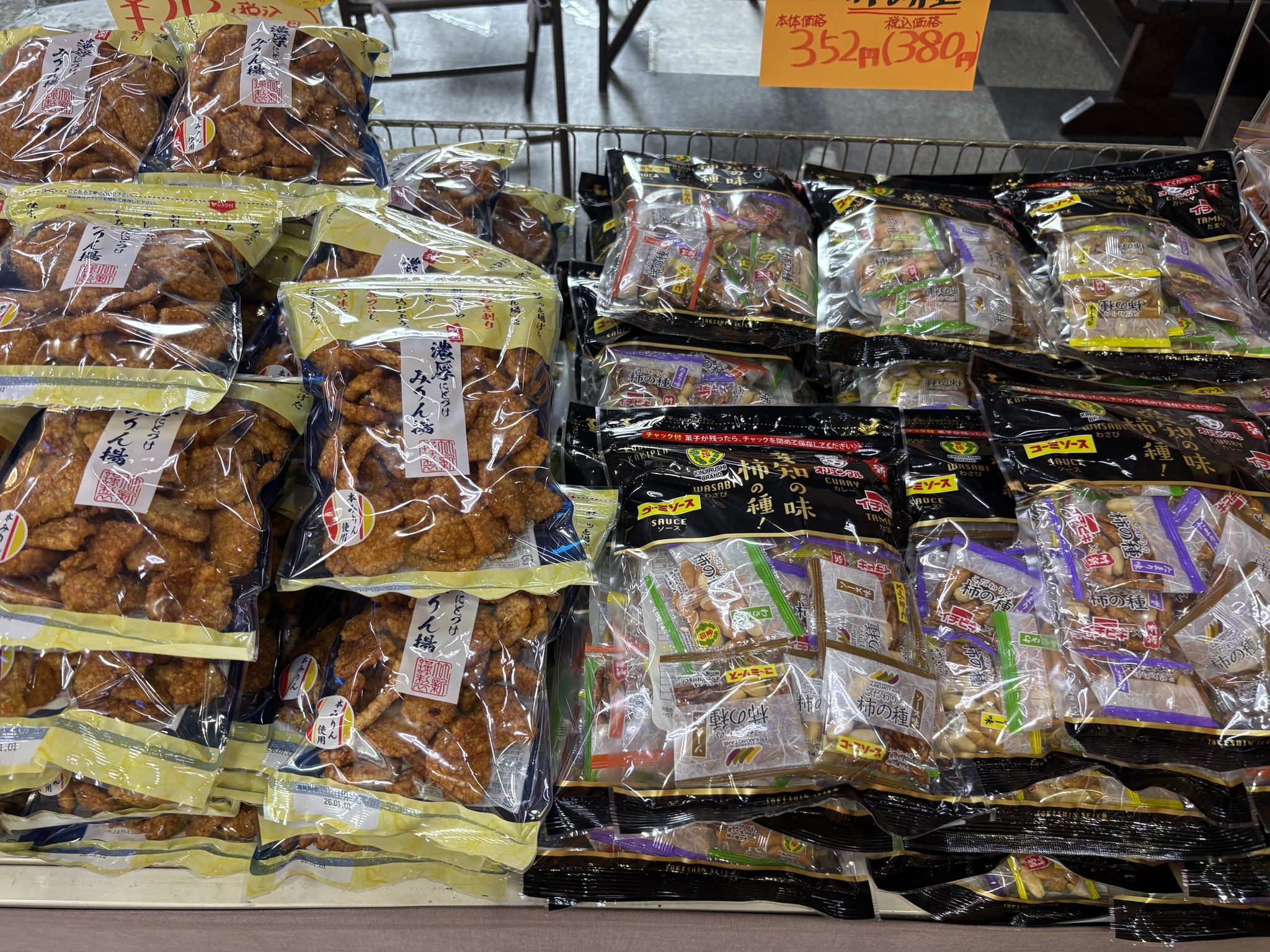
    Inside the store, shelves are lined with colorful and variously shaped okaki, so vibrant and diverse that it’s hard to choose just one.

    You’ll find yourself saying, “I didn’t know there were so many kinds of okaki!” The variety is so impressive that choosing becomes part of the fun. On the day I visited, I ended up buying about ten different kinds without even realizing it.

    Each okaki is fragrant and crispy, offering a light texture that differs from Western-style baked sweets like cookies. It’s a uniquely Japanese taste experience.

    Okakiya Tatsushin is often featured on TV and other media for good reason — it’s not just an okaki shop; it’s a unique local spot full of character.

    The shop also has a small restaurant area where you can enjoy its popular dishes like katsudon (pork cutlet rice bowl) and mitarashi dango (sweet soy-glazed rice dumplings). In this area, “Okada Katsudon” is known as a local soul food, making it a great way to experience regional flavors.

    With a spacious parking lot, the shop is convenient for tour buses as well. It’s an ideal place to stop by during sightseeing to enjoy both traditional Japanese flavors and warm hospitality.

  • What Is “Okaki”? – A Traditional Japanese Snack Made from Glutinous Rice

    What Is “Okaki”? – A Traditional Japanese Snack Made from Glutinous Rice

    A Traditional Japanese Snack Loved for Its Fragrance and Crunch

    A Classic Treat Made from Glutinous Rice

    Okaki is a type of rice cracker that has been enjoyed in Japan for centuries. Made from glutinous rice, it is baked or fried to create a fragrant aroma and satisfying crunch. It’s a beloved snack that pairs perfectly with a cup of tea.

    In general, crackers made from non-glutinous rice are called “senbei,” while those made from glutinous rice are known as “okaki” or “arare.” Although all are rice-based, their texture and flavor differ depending on the type of rice and the production method.

    The Difference Between Okaki and Arare

    Okaki and arare are similar but not identical. Arare pieces are typically smaller and more uniform in shape, often served during celebrations or seasonal events. Okaki, on the other hand, is larger and has developed as a snack known for its rich aroma and satisfying crunch.

    Variety of Flavors and Regional Styles

    There are many types of okaki throughout Japan. The most common flavor is soy sauce, but there are also salted, sweet, seaweed-wrapped, and shrimp-flavored varieties. Each region and maker brings its own character to the taste.

    Soy Sauce Okaki

    The most classic flavor. After baking, the pieces are coated with soy sauce to give them a rich, savory taste.

    Salt Okaki

    A simple flavor that highlights the natural taste of the rice. It’s light and crisp.

    Seaweed-Wrapped Okaki

    Baked okaki wrapped in seaweed. The harmony between aroma and texture makes it a favorite.

    Shrimp Okaki

    Flavored with dried shrimp, offering a rich umami taste. Perfect as a snack with drinks.

    How to Enjoy Okaki

    Okaki can be enjoyed on its own or paired with tea. Especially with green tea or roasted tea, its fragrance stands out even more. Some people even crush okaki into smaller pieces and sprinkle them over rice or soup to enjoy its crispy texture.

    Because okaki keeps well for a long time, it makes a wonderful souvenir. The packaging is often elegantly designed with a traditional Japanese touch, making it a popular gift among international visitors.

  • Narumi Shrine – An Ancient Shrine as Revered as Atsuta Jingu|Midori Ward, Nagoya

    Narumi Shrine – An Ancient Shrine as Revered as Atsuta Jingu|Midori Ward, Nagoya

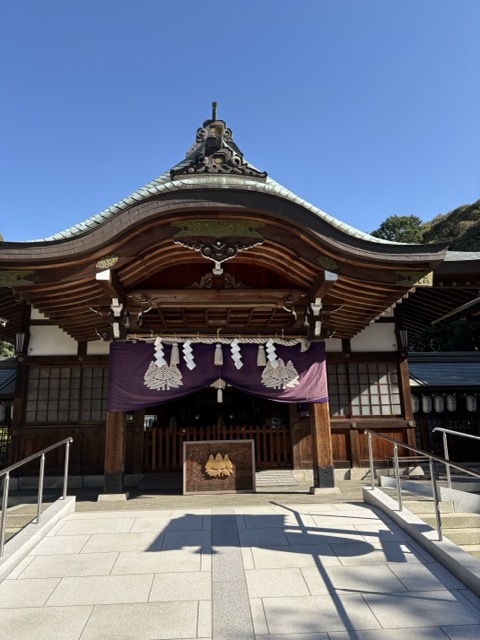
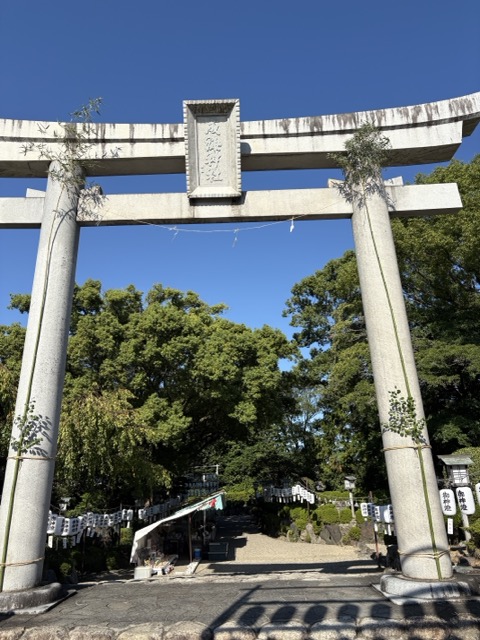
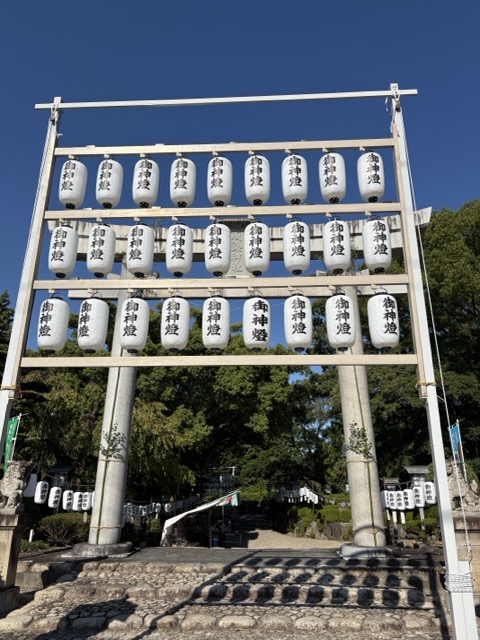
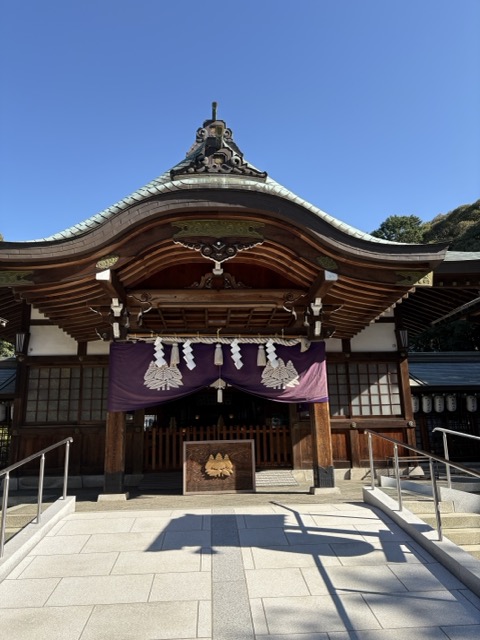
    Located in Midori Ward, Nagoya, Narumi Shrine was founded in the year 686 during the Asuka period, making it one of the oldest shrines in the region. Its founding dates back to almost the same era as Atsuta Jingu, one of Nagoya’s most important shrines, and it has been deeply worshiped by local residents for over a millennium.

    The name “Narumi” includes the character for “sea” (海), because about 1,400 years ago, this entire area was once coastal land. Today, the shrine stands on a gentle hill where the ocean is no longer visible, yet imagining the time when the sea reached here evokes a sense of Japan’s long and flowing history.

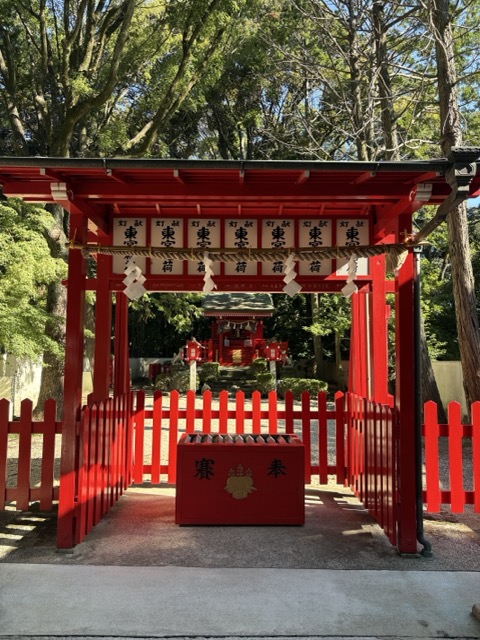
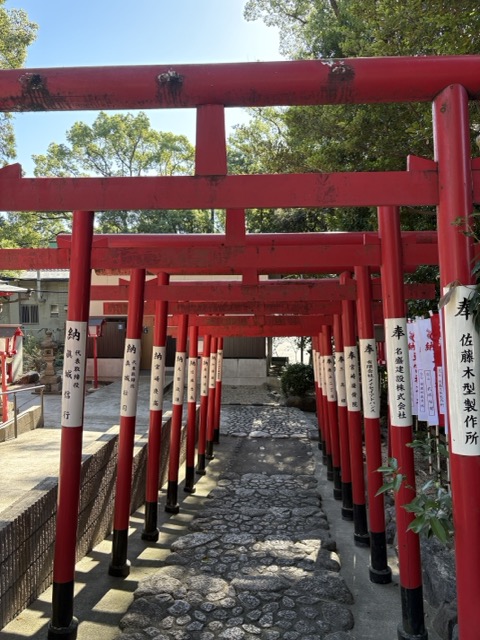
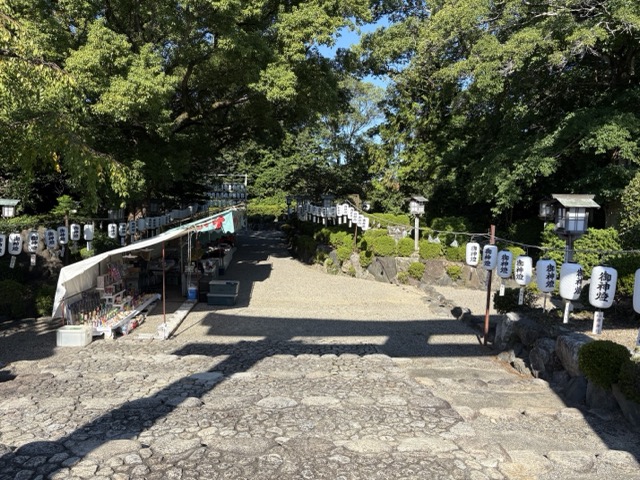
    Upon entering the shrine grounds, visitors are greeted by magnificent shrine buildings and a row of torii gates leading to an Inari shrine, creating a solemn and sacred atmosphere. The scenery changes beautifully with each season, offering a new impression every time you visit.

    Narumi Shrine enshrines several deities who are believed to bring blessings such as family safety, academic success, business prosperity, matchmaking, and marital harmony. It is said that offering prayers here can help bring strength and good fortune to various aspects of life.

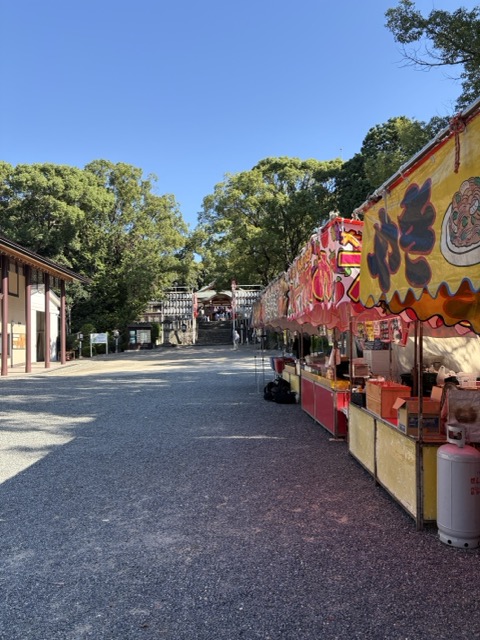
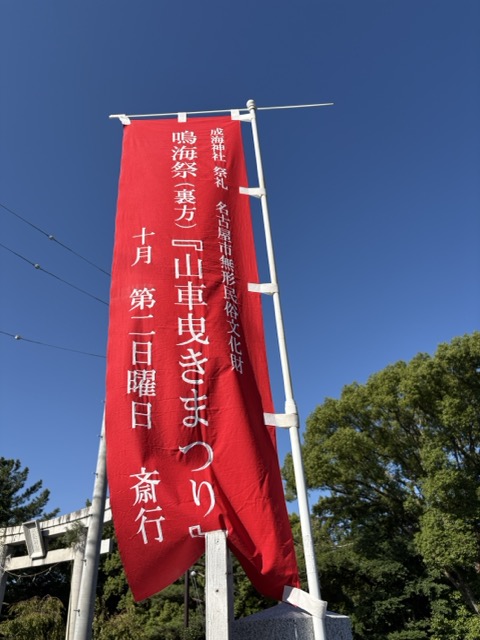
    Every year on the second Sunday of October, a Reisai (Annual Festival) is held to pray for a rich harvest. The shrine comes alive with locals and visitors enjoying portable shrines, traditional floats, and rows of food stalls, offering a true taste of Japan’s festive spirit.

    Blending history, nature, and community warmth, Narumi Shrine is a hidden gem well worth visiting during your trip to Nagoya.

  • The Four Seasons and Seasonal Traditions in Japan

    Celebrating the Changing Seasons and Living in Harmony with Nature

    Japan has four distinct seasons—spring, summer, autumn, and winter—each with its own traditions and customs that continue to enrich daily life. The idea of sensing the changes of nature and living in harmony with it has long been central to Japanese culture.

    Spring – A Season of New Beginnings and Blessings

    Spring brings warmer weather and blooming flowers. It’s also the time for graduations, school admissions, and new chapters in life.

    Hinamatsuri (Doll Festival)

    Held on March 3, this festival prays for the healthy growth of girls. Families display ornamental dolls and enjoy sweet sake and colorful rice crackers.

    Vernal Equinox Day

    A national holiday when day and night are equal in length, celebrating nature and showing respect for all living things.

    Hanami (Cherry Blossom Viewing)

    A traditional custom of holding gatherings under cherry trees to celebrate spring. Cherry blossoms symbolize Japan’s spirit—beauty and the fleeting nature of life.

    Spring is often called the “season of partings and meetings,” representing important milestones in life.

    Summer – A Season of Energy and Festivals

    Summer is the time when the sun shines brightest and the energy of nature is most powerful. Traditional festivals are held throughout Japan.

    Tanabata (Star Festival)

    On July 7, people write wishes on strips of paper and hang them on bamboo branches, inspired by the legend of the deities Orihime and Hikoboshi.

    Obon

    A traditional event to welcome and honor ancestral spirits. In many regions, Bon Odori dances are held, bringing communities together under the night sky.

    Fireworks Festivals

    A hallmark of summer in Japan. Fireworks light up the sky and delight crowds across the country.

    Despite the heat, summer is also a time for cooling traditions—yukata robes, shaved ice, and the gentle sound of wind chimes.

    Autumn – A Season of Harvest and Gratitude

    Autumn is the season of harvest and thanksgiving. The mild weather and colorful leaves make it a popular time for outings.

    Tsukimi (Moon Viewing)

    People admire the full moon of mid-autumn, offering rice dumplings and taro in gratitude for a good harvest.

    Autumn Festivals

    Shrine-centered festivals celebrating abundant crops. Portable shrines and food stalls fill towns with lively energy.

    Momijigari (Autumn Leaf Viewing)

    A custom of appreciating the red and yellow hues of autumn leaves. The beauty of these scenes reflects Japan’s refined aesthetic.

    The crisp air and vibrant scenery of autumn have long inspired Japanese poetry and art.

    Winter – A Season of Quiet and Reflection

    Though cold, winter is filled with events that warm the heart.

    New Year’s Celebration

    Japan’s most important holiday, celebrating the start of the year. People visit shrines to pray for health and happiness.

    Snow Festivals

    In northern regions, festivals using snow and ice are held, offering spectacular winter landscapes.

    Setsubun

    Observed around February 3, people scatter roasted beans while shouting “Oni wa soto, fuku wa uchi!” (“Out with demons, in with good fortune!”) to drive away evil spirits.

    Winter marks both an ending and a hopeful new beginning.

    The Spirit of the Four Seasons

    Japan’s seasonal traditions are not just events—they nurture a mindset of living with nature. Finding beauty in falling cherry petals, impermanence in autumn leaves, and serenity in snow has shaped the Japanese spirit for centuries.

    Through seasonal customs, people express gratitude for nature, strengthen family bonds, and learn to “cherish the present moment.”
    When you visit Japan, take the time to experience its seasonal traditions and feel the beauty of its ever-changing nature.

  • What Is Japan’s Vending Machine Culture?

    A convenient street corner service Japan proudly offers, anytime and anywhere

    One thing that surprises many foreign travelers in Japan is the sheer number of vending machines.

    You can find them everywhere — in cities, at stations, in hotels, at tourist spots, and even in mountains or hot spring towns. Japan has one of the highest vending machine densities in the world, making these machines a deeply rooted part of everyday life.

    Why Are There So Many Vending Machines in Japan?

    Several factors contributed to the widespread use of vending machines in Japan.

    • High public safety, making vandalism rare
    • Easy to install even in small spaces
    • Strong demand for convenient drinks in hot and cold seasons
    • Advancement in cashless payment options such as IC cards

    Japan’s safe environment allows vending machines to operate securely, supporting convenience in daily life.

    More Than Drinks: A Variety of Products

    Beyond drink vending machines, Japan offers surprisingly diverse vending machines.

    • Ice cream
    • Snacks
    • Fresh vegetables and fruits
    • Instant noodles
    • Bread and desserts
    • Everyday items like umbrellas and masks

    Regional and limited-edition items also make vending machines an enjoyable travel experience.

    Cold Drinks and Hot Drinks

    A unique feature of Japanese vending machines is the seasonal offering of both *cold* and *hot* drinks. In winter, options such as hot coffee, green tea, and corn soup appear to match seasonal needs.

    Convenient Payment Options

    Many vending machines now accept multiple payment methods in addition to cash.

    • IC cards (Suica, PASMO, etc.)
    • E-money
    • Mobile payment apps

    This makes it easy for travelers to purchase drinks or snacks on the go.

    Supporting Communities and Disaster Response

    Some vending machines in Japan have emergency functions that provide free drinks during disasters.

    They can operate during power outages and support community disaster efforts. Vending machines in Japan serve not only convenience but also public safety in a country prone to natural disasters.

    Conclusion

    Japan’s vending machine culture goes far beyond simple automated retail. With convenience, variety, safety, and disaster-response roles, vending machines are an essential part of daily life.

    During your trip, try using vending machines to discover unique Japanese drinks and snacks — it’s a fun way to experience everyday culture in Japan.

  • Digital Payments in Japan – How to Use Cashless Options for Smart Travel|Useful Guide for Smooth Payments

    Growing Use of Cashless Payments in Japan

    In recent years, cashless payments have become increasingly common in Japan.
    Especially in major cities and tourist destinations, you can use various electronic payment methods at restaurants, convenience stores, train stations, and sightseeing spots.
    This makes travel easier by eliminating the need to carry coins and enabling smooth transportation and shopping.

    Main Types of Digital Payments in Japan

    ① Transportation IC Cards

    Cards like Suica, PASMO, and ICOCA can be used not only for trains and buses but also at convenience stores, kiosks, and vending machines.
    You can recharge them at stations, and payment is completed simply by tapping.

    • Suica (Tokyo area)
    • PASMO (Tokyo area)
    • ICOCA (Kansai area)

    Although each card has a regional brand, they are mutually compatible across most of Japan.

    What Are Suica and PASMO?

    • Suica
      Provided by JR East, usable in the Tokyo area and on many Shinkansen routes.
    • PASMO
      Issued by private railways and subway companies; works similarly to Suica.

    Both can also be used at convenience stores, vending machines, and station shops.

    Other Major Regional Cards

    • ICOCA (Kansai)
    • TOICA (Tokai)
    • Kitaca (Hokkaido)
    • manaca (Nagoya)
    • nimoca (Kyushu)
    • SUGOCA (Kyushu)
    • Hayakaken (Fukuoka)

    Most are cross-compatible nationwide, though some rural buses or local lines may not accept them.

    IC Card Tips

    • Recharge or pass purchase may require the card’s issuing area.
    • Refunds are only processed in the issuing region.
    • Some cards cannot be recharged with overseas credit cards.
    • Mobile use (Apple Pay/Google Wallet) may vary depending on device and region settings.

    ② QR Code Payments

    Scan-to-pay services using your smartphone. Some overseas apps work in Japan.

    • WeChat Pay
    • Alipay+
    • PayPay (Japan domestic app)

    Acceptance is growing, especially in tourist areas.

    ③ Credit & Debit Cards

    Visa, Mastercard, American Express, and JCB are widely accepted.
    Tap-to-pay options like Visa Contactless and Mastercard Contactless are also increasing.

    However, some small local restaurants accept cash only.

    Where Digital Payments Are Convenient

    Transportation

    Smooth travel on trains, buses, and monorails.
    Travelers can use Suica apps or short-term IC cards.

    Convenience Stores, Supermarkets, Restaurants

    Major chains like 7-Eleven, Lawson, and FamilyMart support many cashless methods.

    Vending Machines

    IC-card compatible vending machines are common around stations.

    Which Should You Choose?

    For short-term travel, IC cards are highly recommended:

    • Easy for trains and buses
    • Usable at convenience stores
    • Great for small purchases

    If you shop a lot, combine with QR payment

    • More shops support inbound-friendly apps
    • Possible promotions and points

    Tips for Travelers

    • Some small shops are cash-only
    • IC cards require topping-up
    • Mobile payments need internet access

    Carrying a small amount of cash is still helpful, especially in rural areas.

    Summary

    Japan’s cashless environment is rapidly improving, especially in cities.
    Using a transportation IC card with QR payments and credit cards will help you travel efficiently and comfortably.

    Enjoy a smart, cashless trip in Japan!