Tag: Culture

  • The Culture of Japanese “Shōtengai” – Community Spaces Connecting People and Towns

    A Place Where Warmth Lives

    Across Japan, there are streets known as “shōtengai.” Lined on both sides with small shops such as greengrocers, fishmongers, delicatessens, general stores, and cafés, these streets reflect everyday Japanese life.

    Shōtengai are more than just shopping areas—they are like the “living rooms of the community,” where people naturally connect. Scenes of chatting with shopkeepers while shopping or familiar faces greeting each other remain cherished memories of daily life for many Japanese people.

    The Origins of Shōtengai

    The origins of shōtengai date back to the Edo period with markets and monzenmachi (towns developed in front of temples and shrines). Merchants initially served worshippers and travelers, eventually evolving into centers supporting the daily lives of local residents.

    During the Meiji period, the development of railways led to the growth of areas in front of stations. By the mid-Showa period, shōtengai became central hubs in many cities. Covered arcade shopping streets, or “arcade shōtengai,” spread nationwide due to the convenience of walking in the rain.

    The Appeal of Shōtengai

    The greatest charm of shōtengai is that you can see people’s faces. Warm hospitality not found in large chain stores and locally-rooted, unique products attract visitors’ hearts.

    Key Points of Appeal

    Interaction with People

    Conversations and greetings with shopkeepers add warmth to daily life.

    Local Flavor

    Unique local ingredients and traditional crafts give a sense of regional culture.

    Seasonal Events

    Festivals, year-end sales, stamp rallies, and other local events offer communal enjoyment.

    Shōtengai are also a “treasure trove of food.” Traditional croquette shops, yakitori stalls, and taiyaki stores, with their inviting aromas, are a major part of the experience.

    Challenges and New Initiatives

    Recently, shōtengai face challenges due to large shopping malls and online shopping. Empty shops are increasing, and many areas are aging.

    At the same time, new initiatives are emerging. Young entrepreneurs renovate old shops into cafés or specialty stores, and local residents collaborate to host community classes, rediscovering the value of shōtengai.

    Efforts such as English signage for tourists and cashless payment systems are also being introduced, adapting to modern needs. These flexible changes are helping shōtengai once again become places where people gather.

    Conclusion

    Japanese shōtengai, though evolving over time, remain an important cultural space supporting people’s lives. They embody more than just commerce—they represent “human connections” and “community warmth.”

    Even in a convenient online society, the smiles of shopkeepers and the warmth of conversation hold irreplaceable value.

    If you encounter a shōtengai during your travels or in your hometown, take a leisurely walk through it. You are sure to discover the gentle charm of traditional Japan.
  • The Culture of Japanese “Dagashiya” – A Place Filled with Children’s Small Dreams

    A Space Where Nostalgia Meets Excitement

    When Japanese people hear the word “Dagashiya,” many picture a small, old-fashioned candy shop where they used to stop by after school with friends.

    Shelves lined with colorful sweets, the moment of indecision with a 10-yen coin in hand, and the gentle smile of the shop’s elderly owner — for children, the Dagashiya was more than just a place to buy candy. It was a tiny world filled with dreams and adventures.

    The term “Dagashi” refers to inexpensive, simple sweets. The word “da (駄)” implies something “cheap” or “casual,” emphasizing accessibility for children. From the Showa era through the early Heisei period, Dagashiya could be found in towns all over Japan, serving as a beloved part of children’s after-school life.

    The Origins of Dagashiya

    The roots of Dagashiya can be traced back to the Edo period. At the time, sugar was expensive, so confectioners made simple, affordable sweets that came to be known as “Dagashi.”

    From the Meiji to the Showa eras, these shops spread widely among the common people. During Japan’s postwar recovery, small wooden Dagashiya appeared throughout the country. Children visited daily, clutching small coins as they explored the store.

    Dagashiya sold not only sweets but also lotteries, traditional toys like menko cards, ramune soda, and small trinkets — making them something like a miniature theme park for kids.

    Popular Dagashi Sweets

    Dagashi comes in countless varieties. Here are some of the most well-known examples:

    Umaibo

    A puffed corn snack introduced in 1979, available in many flavors such as cheese and spicy cod roe. It remains popular among both children and adults.

    Ramune

    Small, tablet-like candies with a light sweetness and nostalgic aroma. A classic treat, especially loved in summer.

    Kinako Sticks & Brown Sugar Candy

    Traditional Japanese flavors also have their place in Dagashiya. The roasted soybean powder–coated kinako sticks and Okinawan brown sugar candies offer comforting, nostalgic tastes.

    Candy with Lottery Tickets

    Some sweets came with a chance to win a prize — if you got a “winner,” you’d receive another candy for free. These playful touches made shopping itself an adventure.

    Dagashiya in the Modern Day

    Although traditional Dagashiya have declined due to demographic changes and the rise of supermarkets, they are seeing renewed attention thanks to the retro boom and tourism.

    Many tourist spots and shopping centers now feature “Dagashi corners,” and young entrepreneurs are reviving old stores with modern renovations. The Dagashiya spirit continues to thrive in new forms.

    The charm of Dagashiya has also captivated visitors from abroad. For many, it represents a cultural experience — a nostalgic window into Japanese everyday life.

    Conclusion

    Dagashiya are special places that continue to live in the hearts of Japanese people. Beyond their inexpensive and tasty sweets, they embody warmth, connection, and a sense of community.

    Even as times change, the spirit of sharing small happiness will keep the Dagashiya tradition alive.

    If you ever spot one, open its door gently — and let yourself remember the wonder of childhood.

  • Japan’s “Spring” and the Culture of “Hanami” (Cherry Blossom Viewing)

    The Joy of Japanese Spring with Cherry Blossoms

    Spring — for Japanese people, it is a season filled with special meaning. As the cold of winter softens and plum and rapeseed blossoms begin to bloom, the country soon turns its attention to the arrival of cherry blossoms.

    On television and social media, the term“sakura front” spreads as people follow the blooming forecasts across Japan. This is the landscape of a Japanese spring — when hearts turn pink with anticipation.

    The blooming of cherry blossoms is not merely a natural event; it is deeply rooted in daily life and tradition. Its most beloved expression is “hanami,” the custom of appreciating cherry blossoms.

    The Origins and History of Hanami

    The practice of hanami dates back over a thousand years to the Heian period. Aristocrats of that time would write poetry and hold banquets beneath blooming cherry trees to celebrate the arrival of spring.

    During the Edo period, this custom spread among common people, leading to cherry trees being planted around temples, castles, and riverbanks.

    Today, gathering with family, friends, or colleagues to enjoy food and drinks under the cherry blossoms has become an essential part of springtime in Japan.

    How to Enjoy Hanami

    The essence of hanami lies in savoring food and drink while admiring the full bloom of cherry blossoms. Some bring homemade lunches filled with rice balls, fried chicken, or rolled omelets, while others pick up seasonal bento boxes from convenience stores or department stores.

    In recent years,night hanami — viewing cherry blossoms illuminated after dark — has also become popular. Unlike the gentle daytime view, the softly glowing petals against the night sky create a dreamlike scene.

    Famous Cherry Blossom Spots and Local Atmosphere

    There are countless famous cherry blossom viewing spots across Japan. Ueno Park in Tokyo, the Philosopher’s Path in Kyoto, Mount Yoshino in Nara, and Hirosaki Park in Aomori each attract large crowds every spring. Every site carries its own story, intertwined with local history and culture.

    In Kyoto, weeping cherry trees in temple gardens bring elegance to quiet courtyards, while in Hirosaki, cherry blossoms reflected in the castle moat create a picturesque, painting-like beauty. Viewing cherry blossoms becomes a moment to experience the character and culture of each region.

    The Meaning Behind the Blossoms

    Cherry blossoms bloom and fall within only about a week. Their brief life has long evoked deep emotions among the Japanese. From ancient times, they have symbolized“mono no aware” — the beauty of transience — appearing in countless poems and paintings as reflections of life’s impermanence.

    Because cherry blossoms bloom in spring — the season of graduations, new school years, and job beginnings — they are seen as marking both “farewells” and “new beginnings.” They are flowers that continue to live alongside the emotions of the Japanese people.

    Conclusion

    Spring in Japan is not just the arrival of warmth; it is a season that stirs the heart. Hanami connects people with nature, bringing joy, gratitude, and shared moments of transition.

    Beneath the cherry trees, there is an unspoken sense of happiness. As you gaze up at the blossoms, may you feel not only their beauty but also the spirit of Japan’s spring that lies behind them.

  • Ennichi and Street Food – The Flavors That Light Up Japan’s Nights

    Japan’s Summer Tradition Wrapped in Scents and Lantern Light

    On summer nights, shrines and shopping streets glow with lanterns and the laughter of people. The savory aroma of yakisoba, the sweet shine of candy apples, and the distant beat of drums—just recalling these scenes lifts the heart. This is Japan’s ennichi, or festival day.

    Originally, ennichi referred to special days meant to form a spiritual bond with the gods or Buddha. People gathered at shrines and temples to offer prayers and gratitude. Over time, markets and performances began to appear, evolving into the lively “festival nights” we see today.

    The Charm of Street Food

    When it comes to ennichi, nothing captures its spirit better than the food stalls. Yakisoba, takoyaki, shaved ice, candy apples, grilled corn—each one brings back nostalgic memories for many Japanese people.

    Yakisoba

    The aroma of savory sauce and the sizzling sound of the griddle make this a festival classic.

    Takoyaki

    Crispy outside and creamy inside—these octopus balls, born in Kansai, are now loved nationwide.

    Shaved Ice (Kakigori)

    A sweet treat that cools the summer heat. The colorful syrup glows beautifully under the lantern light.

    Candy Apples

    A shiny red apple coated in sugar—both charming to look at and delicious to taste.

    Street food may be simple, but the “live” atmosphere of freshly made dishes and the extraordinary mood of the night make every bite special.

    Festival Culture Across Japan

    Ennichi festivals are held all over Japan, each with its own character.

    Tokyo’s Hozuki Market, Osaka’s Tenjin Festival, and Kyoto’s Gion Festival are among the most famous, known for their wide variety of food stalls and local specialties.

    Even at small local shrines, children in yukata enjoy goldfish scooping and yo-yo fishing. These festivals play an important role in strengthening community bonds and passing traditions down through generations.

    Modern Stalls and New Trends

    In recent years, food stalls have evolved to improve hygiene, adopt cashless payments, and even offer regional and international cuisine.
    Traditional and modern flavors now coexist, attracting foreign visitors eager to experience Japanese food culture through ennichi.

    Conclusion

    Ennichi is more than just a festive night—it’s a space where people connect and culture thrives. Under the warm glow of lanterns, each dish reflects the heart of Japan passed down through generations.

    The next time you visit a Japanese festival, take in the sights, sounds, and aromas around you, and savor the authentic “taste of celebration” that defines Japan’s summer nights.

  • Differences Between Hotels, Ryokan, and Guesthouses – Understanding Japan’s Accommodation Styles

    Choosing the Right Place to Stay: Discovering Japan’s Unique Lodging Culture

    Types of Accommodation in Japan

    When traveling in Japan, you’ll find three main types of accommodation: hotels, ryokan (traditional inns), and minshuku (guesthouses).
    By understanding the characteristics of each, you can choose the best place that suits your travel style.

    Whether you’re traveling for sightseeing, business, a long stay, or a hot spring retreat, knowing their basic differences will help make your trip more comfortable and enjoyable.

    What Is a Hotel?

    Hotels are designed for business travelers and tourists and are commonly found in urban centers and sightseeing areas.

    Most hotels feature Western-style rooms equipped with beds, desks, and private bathrooms.
    They also provide convenient services such as front desk check-in/out, room service, and laundry facilities.

    There are many types of hotels—from functional business hotels to resort-style facilities with onsen (hot springs), swimming pools, and restaurants.

    Hotels are convenient as city bases, and with multilingual staff and online reservation systems, they are especially traveler-friendly for international guests.

    What Is a Ryokan?

    A ryokan is a traditional Japanese-style inn, often found in hot spring towns and scenic rural areas.

    Rooms are typically tatami-floored with futons, shoji screens, and sliding doors, reflecting classic Japanese architecture.
    Meals emphasize seasonality and local ingredients, often served as multi-course kaiseki cuisine in your room or dining hall.

    Many ryokan also feature large communal baths or open-air hot springs, allowing guests to relax and experience Japan’s bathing culture.

    Hospitality, or *omotenashi*, is the heart of a ryokan. Staff and attendants (nakai) provide personalized service, guiding guests with care and attention.
    A ryokan is ideal for those who wish to experience Japanese tradition and hospitality as part of their stay.

    What Is a Minshuku (Guesthouse)?

    A minshuku is a family-run or small-scale lodging, offering a cozy and homely atmosphere unique to the local area.

    Rooms are usually Japanese-style, and meals are simple yet hearty home-cooked dishes made from local ingredients.

    The charm of a minshuku lies in the opportunity to interact with local hosts and experience regional life firsthand.
    Hosts often share local tips and sightseeing advice, making it perfect for travelers who want a deeper, more personal connection with Japan.

    Minshuku are generally more affordable than hotels or ryokan, making them popular among backpackers and long-stay travelers.

    Tips for Choosing the Right Type

    When deciding where to stay, consider your travel purpose and priorities.

    Hotel

    Convenient for urban stays, business trips, and international travelers. Offers modern facilities and reliable service.

  • Ryokan

    Ideal for hot spring experiences and cultural immersion. Perfect for enjoying Japanese hospitality and cuisine.

    Minshuku

    Great for those seeking local interaction and a homely atmosphere. Affordable and community-oriented.

    Some modern accommodations combine the comfort of hotels with the tradition of ryokan, creating a “Wa-Modern” hybrid style that offers even more choices.

    Choosing Based on Your Travel Style

    For first-time visitors to Japan, hotels provide convenience and ease of use.
    If you’re visiting an onsen resort or rural area, staying at a ryokan allows you to feel Japan’s cultural depth.
    For travelers wanting to experience daily Japanese life, a minshuku stay is especially rewarding.

    Understanding these differences helps you plan a stay that matches your travel goals and enhances your overall experience in Japan.

    Conclusion

    Each accommodation type—hotel, ryokan, and minshuku—offers a unique way to experience Japan.
    By choosing based on your preferences for comfort, tradition, or local connection, you can enrich your travel journey.

    On your next visit to Japan, select the style that suits you best and enjoy a comfortable, memorable stay.

  • Manners for Visiting a Shinto Shrine – Enjoying Japan’s Sacred Spaces

    Experience the charm of shrines while observing proper etiquette

    What is a Shinto Shrine?

    A Shinto shrine is not just a tourist spot but a sacred place where kami (gods or spirits) are enshrined. People honor natural elements, ancestors, and guardian deities, offering daily gratitude and prayers.

    When visiting a shrine, it’s important not only to sightsee but also to understand the cultural and religious background. By following proper etiquette, you can experience the full depth and charm of a shrine.

    Etiquette When Passing Through a Torii

    At the entrance of a shrine, you will find a torii gate. The torii marks the boundary between the secular world and the sacred space, so it is customary to bow lightly before passing through. When walking along the approach (the path leading to the shrine), avoid the center as it is considered the path for the kami; walk to the sides instead. This simple action already shows respect for the shrine.

    Purification at the Temizuya

    Most shrines have a water pavilion called a temizuya. The ritual to cleanse your hands and mouth before worship is as follows:

    1. Take the ladle with your right hand and scoop water.
    2. Pour water over your left hand, then cleanse your right hand.
    3. Pour water into your left hand to rinse your mouth (do not touch the ladle directly to your lips).
    4. Finally, cleanse the ladle handle and return it to its original place.

    This ritual symbolizes purification of body and mind and demonstrates respect for the kami.

    How to Pray at the Haiden

    The basic procedure when approaching the shrine’s main hall (haiden) is as follows:

    1. Bow lightly in front of the haiden.
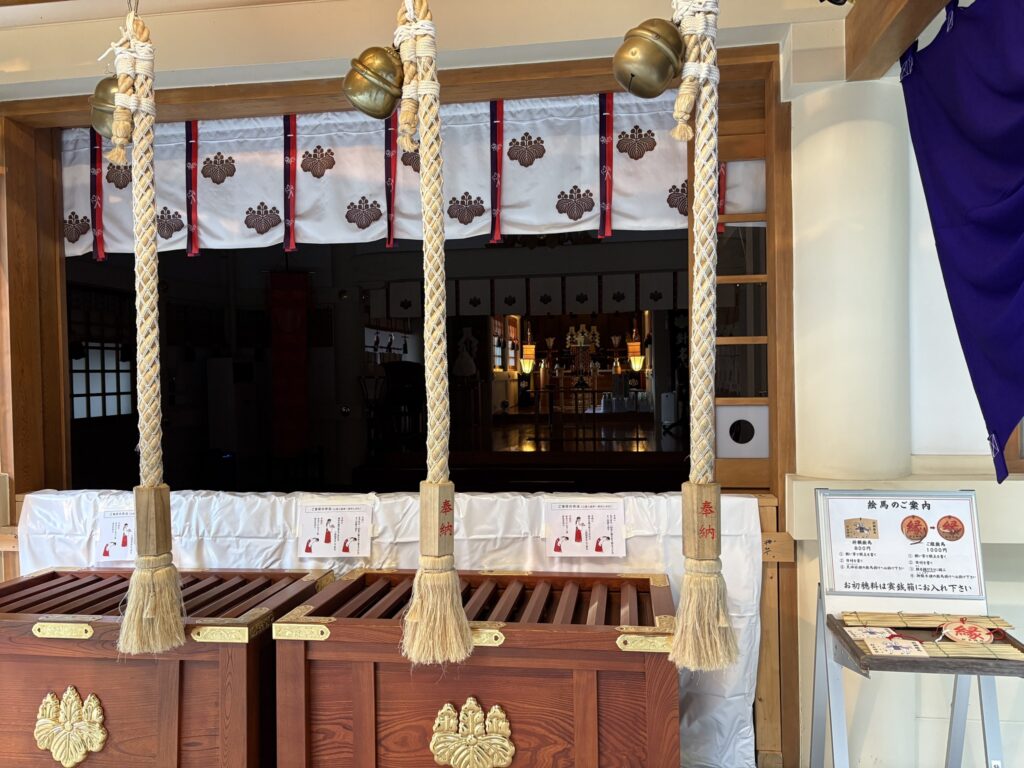
    2. Place an offering in the saisenbako (offertory box).
    3. If there is a bell, ring it gently.
    4. Perform the ritual of two bows, two claps, and one final bow.
    5. Silently offer your prayers in your heart.

    Following this flow allows you to calmly and respectfully present your prayers to the kami.

    Behavior Within the Shrine Grounds

    Shrines are sacred spaces. Avoid loud conversations, running, or taking photos in ways that disturb other visitors. While photography is allowed in some areas, it is considered polite to refrain from photographing the haiden or other worshippers. Pets and eating or drinking are generally restricted within the grounds.

    Additionally, each shrine has unique customs. Items such as ema (votive plaques), omikuji (fortune slips), and goshuin (seal stamps) are meant to be enjoyed as part of worship, not merely as souvenirs.

    Points to Keep in Mind During Crowds or Festivals

    Shrines can become extremely crowded during New Year’s visits or festivals. During these times, remain calm, wait your turn, and be considerate of other visitors. Do not cut in line, and handle charms and omikuji with care when purchasing them.

    Be Mindful of Cultural Respect

    Even if you are unfamiliar with Shinto customs, being aware of etiquette is important. A simple bow, speaking softly, and following the temizuya ritual already show respect for the shrine. Mistakes are usually overlooked by locals, but paying attention to manners enhances the quality of your visit.

    Conclusion – Visiting Shrines with Respect

    Shrines are valuable places to experience Japanese culture and spirituality. By following basic etiquette—bowing at the torii, purifying at the temizuya, praying correctly at the haiden, and behaving respectfully on the grounds—you can enjoy a deeper connection with the shrine.

    Walking quietly and praying sincerely allows you to experience a sacred moment away from everyday life. Through shrine visits, you can gain insight into Japan’s history, culture, and the spirit of Shinto.

  • Yoshida Castle – Surrounded by the Natural Moat of the Toyokawa River | Toyohashi City

    Yoshida Castle – Surrounded by the Natural Moat of the Toyokawa River | Toyohashi City

    A Natural Fortress Protected by Rivers

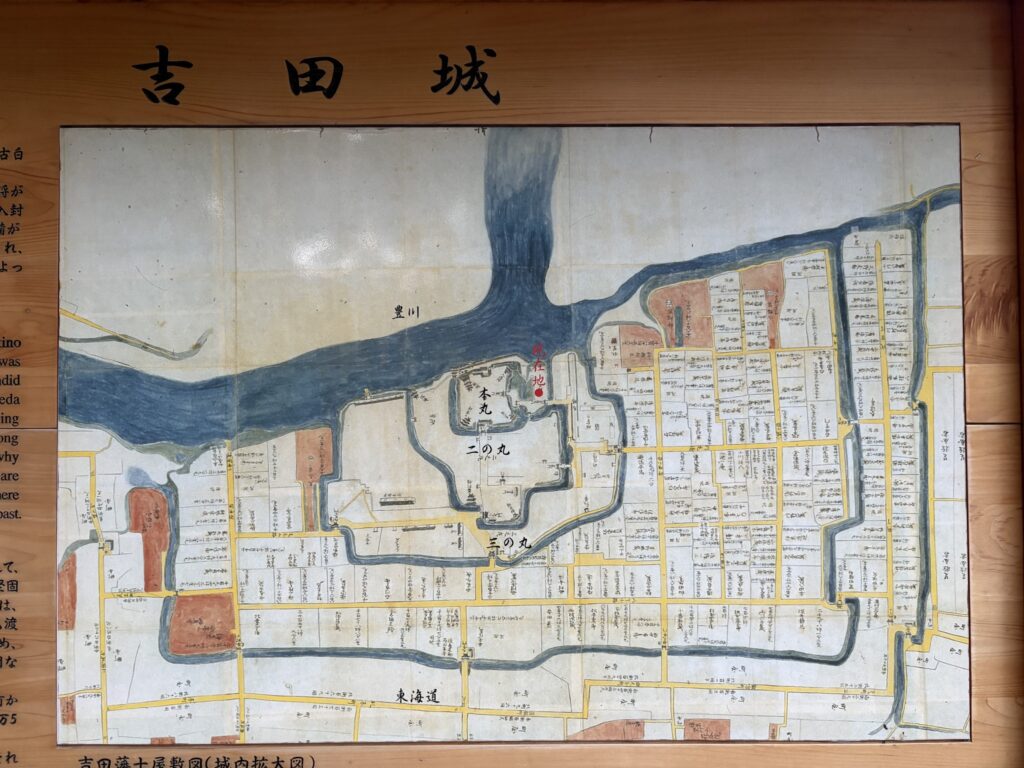
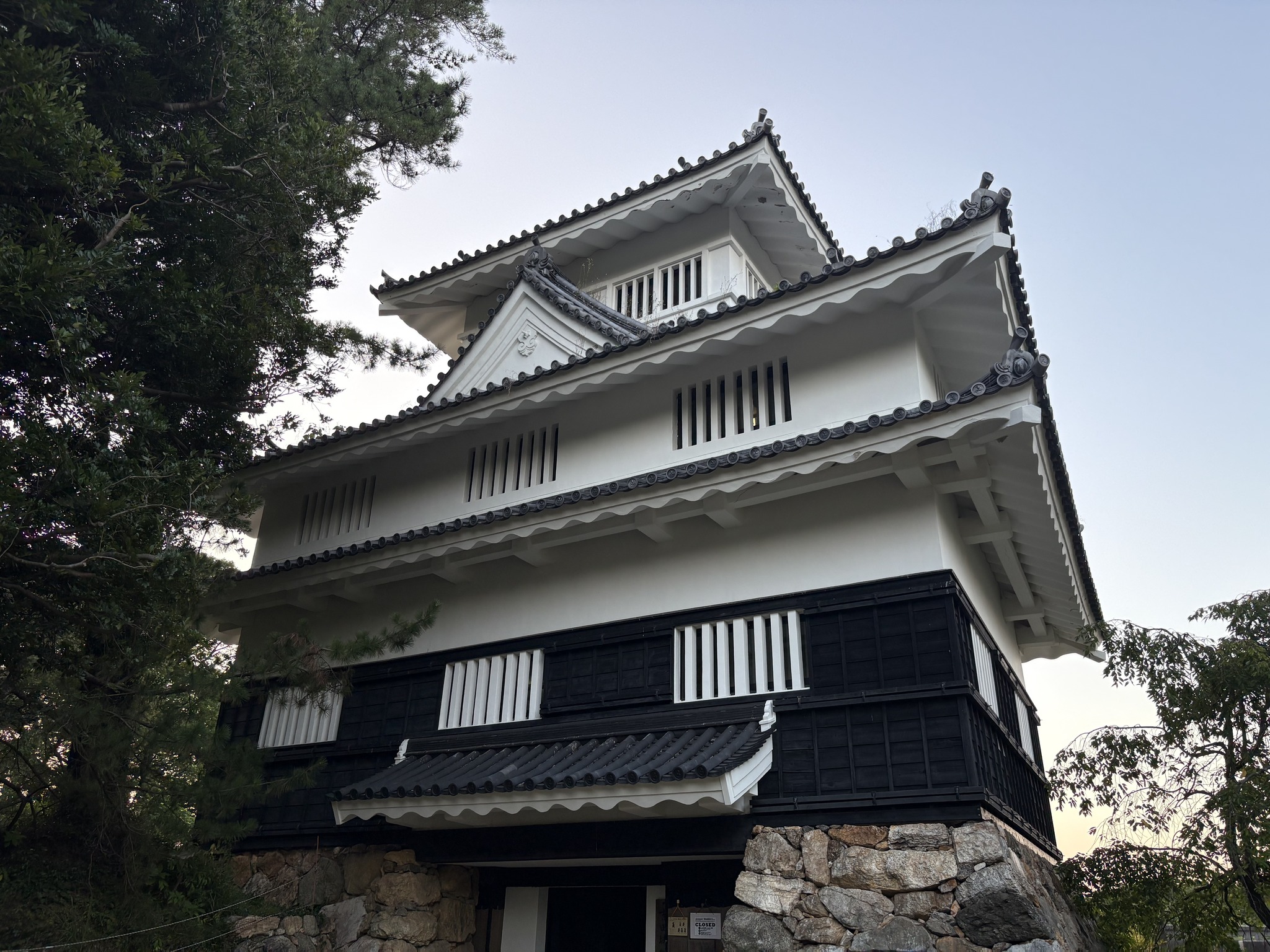
    Yoshida Castle in Toyohashi was built at the point where the Toyokawa River makes a wide bend and joins with its tributary, the Asakura River. These natural waterways served as moats, enhancing the castle’s defenses and making it a true natural stronghold. Standing on slightly elevated ground, the castle offers a view of the meandering Toyokawa, and with few tall buildings in the area, visitors can still imagine the scenery as it once appeared centuries ago.

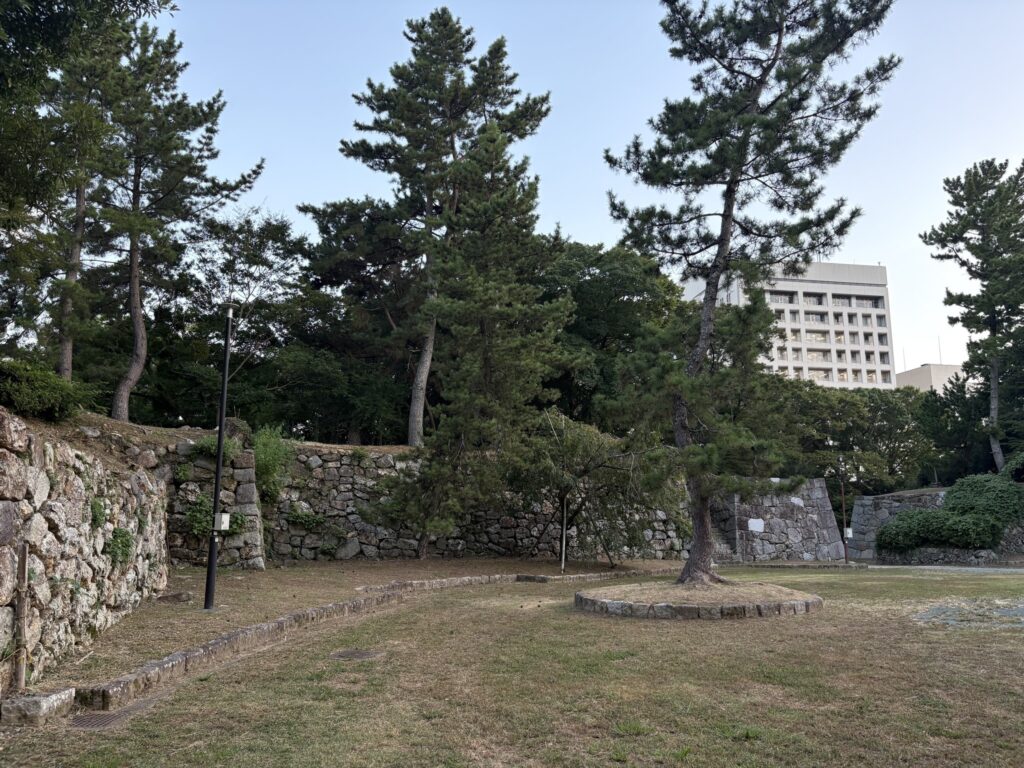
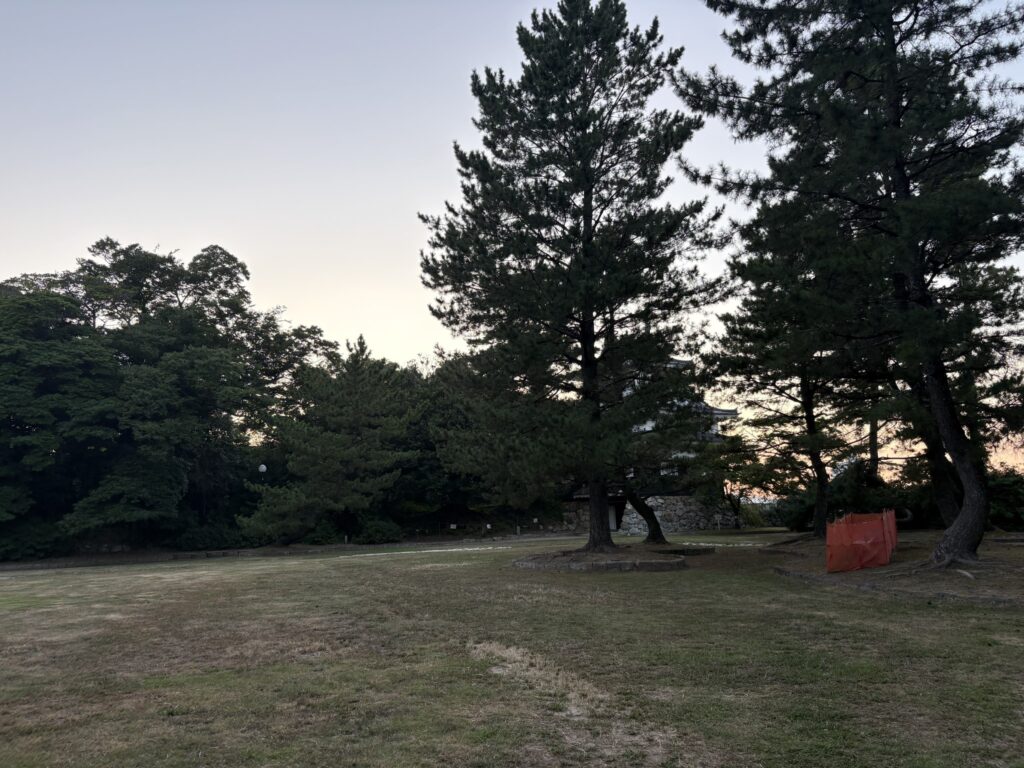
    Today, a reconstructed keep has been built, making the site a popular sightseeing spot. The remaining stone walls and moats allow visitors to stroll through the grounds while experiencing the atmosphere of the Sengoku period.

    Although it is called “Yoshida Castle,” it stands in present-day Toyohashi City because the area was once known as “Yoshida.” Both the castle and its castle town shared the same name, giving visitors deeper insight into the historical connection between the place and the castle.

    A Castle Linked to Renowned Generals

    Several prominent warlords in Japanese history once ruled Yoshida Castle.

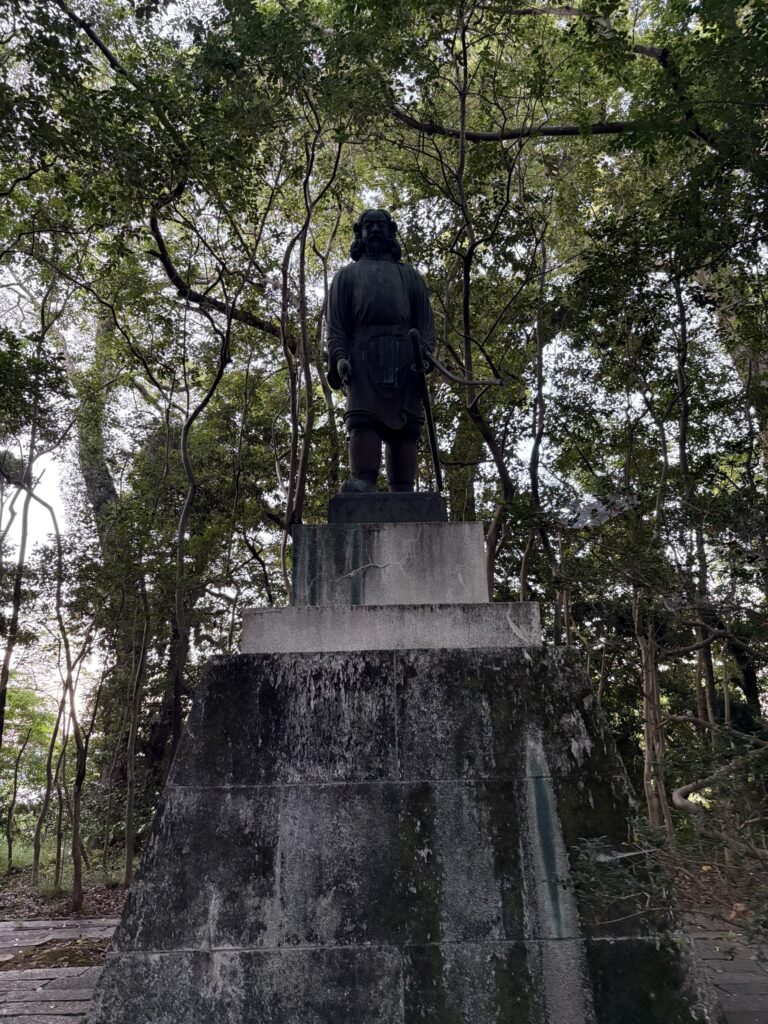
    One was Sakai Tadatsugu, a loyal retainer of Tokugawa Ieyasu. He was counted among both the “Four Heavenly Kings of Tokugawa” and the “Sixteen Generals of Tokugawa.” His role as lord of Yoshida Castle highlights the strategic importance of the site.

    Another notable figure was Ikeda Terumasa, later famous for his large-scale renovation of Himeji Castle. At Yoshida, Terumasa strengthened the castle’s defenses by building stone walls around the honmaru (main bailey) and expanding the grounds with secondary and tertiary enclosures and samurai residences. Had he governed the area longer, Yoshida Castle might have evolved into a grand early modern fortress on par with Himeji. In this sense, Yoshida can be seen as a “phantom great castle” that never reached its full potential.

    Now Part of Toyohashi Park

    Today, Yoshida Castle is located within Toyohashi Park, serving as a beloved relaxation spot for both locals and visitors. The spacious park can be enjoyed with a leisurely one-hour stroll and is especially famous for its cherry blossoms, attracting crowds of people for hanami (flower viewing) in spring.

    The combination of stone walls, the reconstructed keep, and the seasonal beauty of nature makes it a place where history and scenery can be enjoyed together. Walking along the flow of the Toyokawa River, visitors can imagine the lives of people in the Sengoku period and spend a special moment immersed in both history and nature.

    Access

    3 Imahashi-cho, Toyohashi City (inside Toyohashi Park) 440-0801

    About 10 minutes from JR/Meitetsu Toyohashi Station on the Toyotetsu City Line.
    Get off at “Shiyakusho-mae” stop and walk 5 minutes.

  • Bars Lined Up in the Alluring Nishiguchi District|Toyohashi

    Bars Lined Up in the Alluring Nishiguchi District|Toyohashi

    A Bar District with Post-War Charm

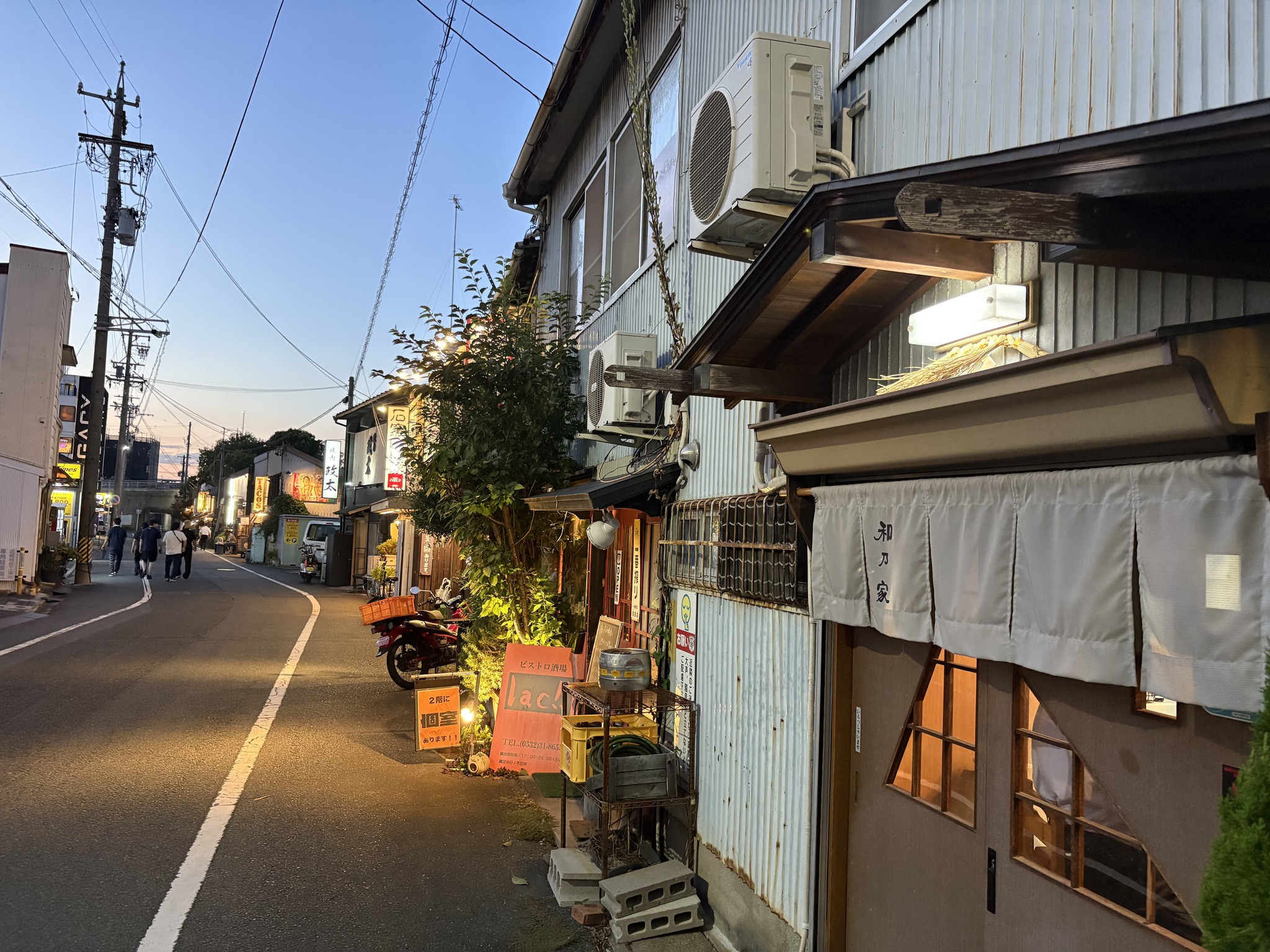
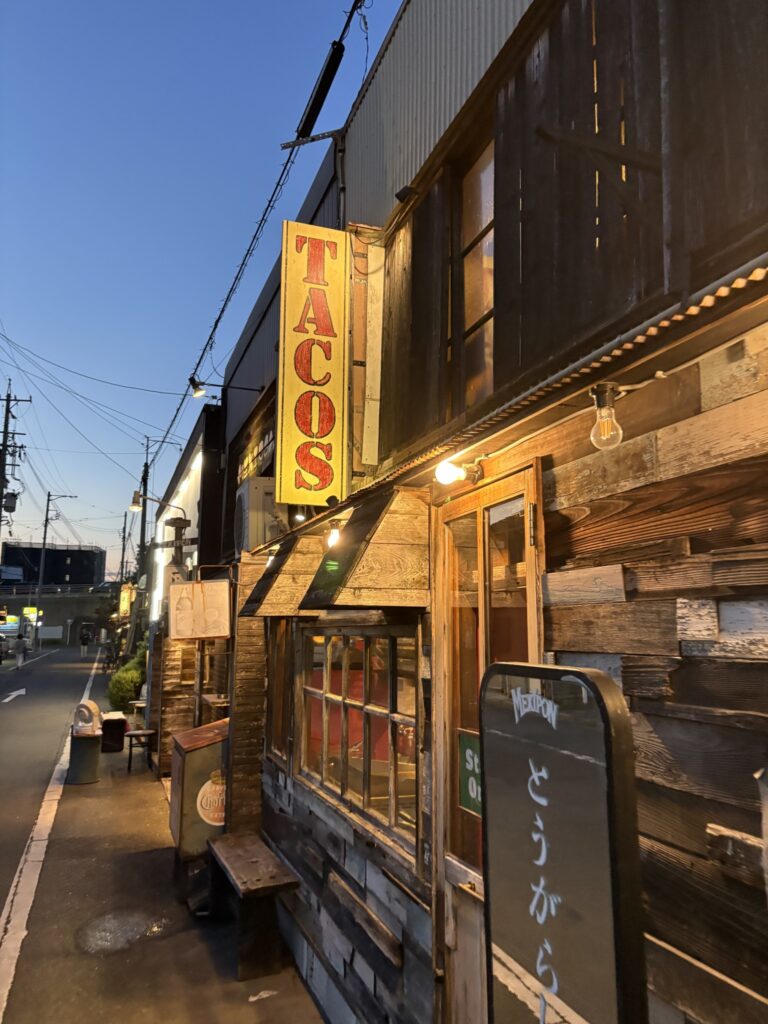
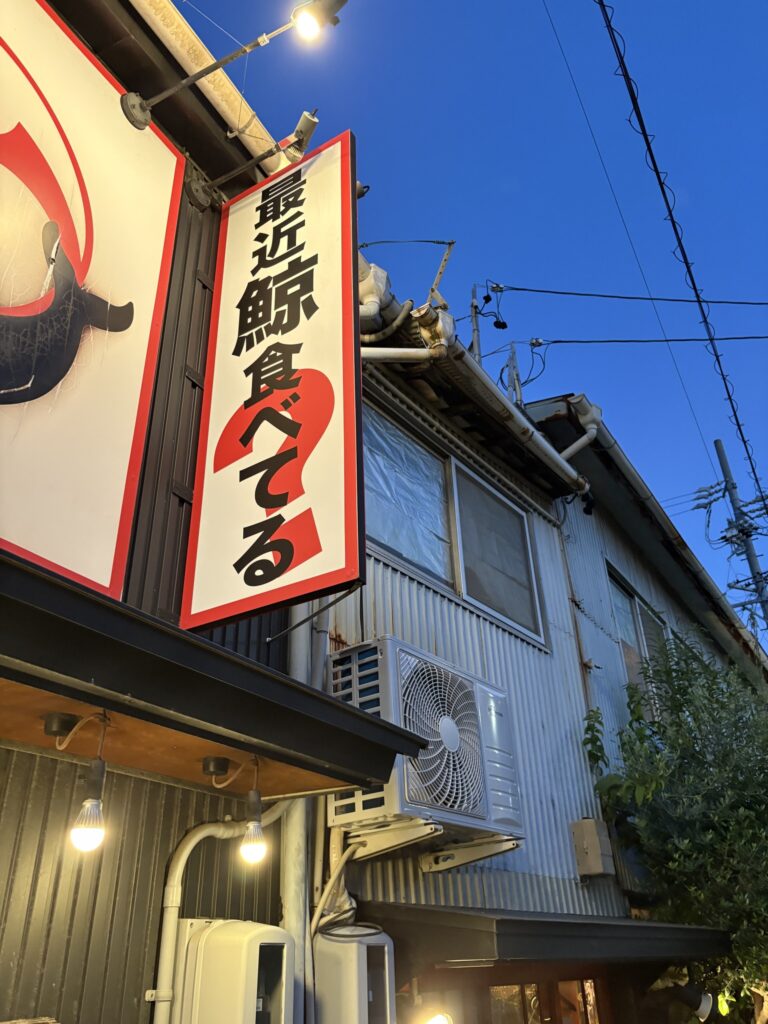
    Just a few minutes from the west exit (Shinkansen side) of Toyohashi Station, you’ll find a retro street where small bars stand shoulder to shoulder. Formed during Japan’s post-war reconstruction, this area still retains a strong Showa-era atmosphere. Neon signs and wooden facades glow against the night, creating a nostalgic yet slightly mysterious mood.

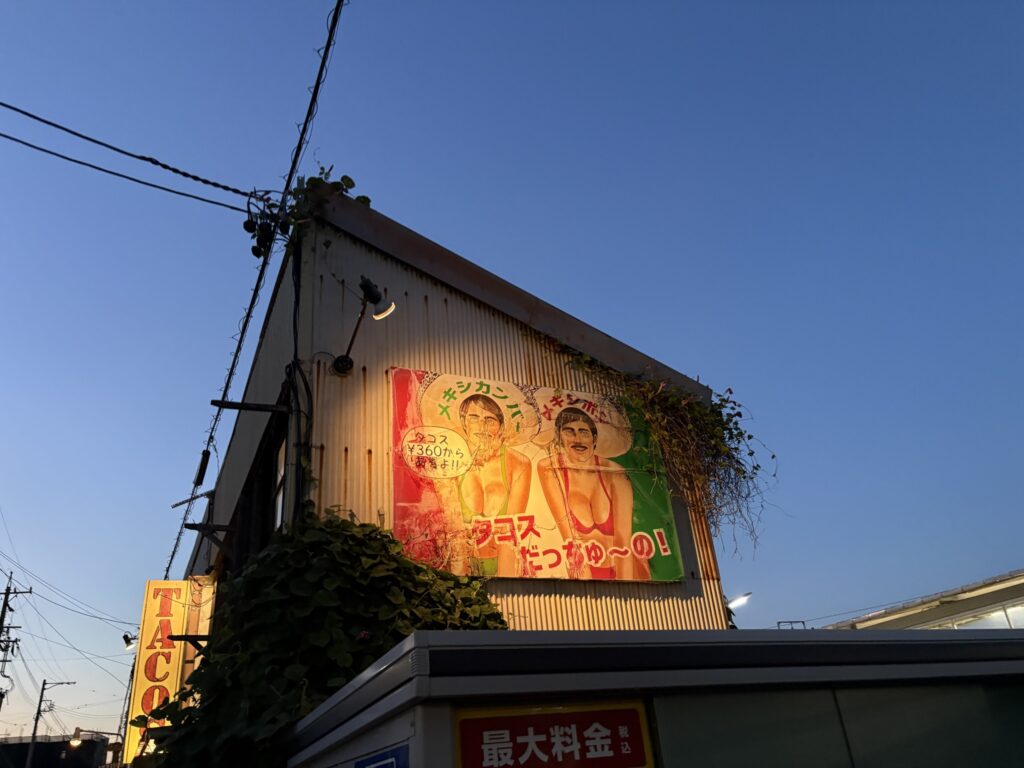
    On both sides of the street, you’ll discover red lantern izakaya pubs, yakiniku restaurants sending up savory smoke, and even international spots serving pizza and Mexican cuisine. A simple stroll is exciting in itself—you’ll be drawn in by laughter and the clinking of glasses from the alleys, and before you know it, that “just one drink” might turn into an evening of bar-hopping.

    Small-Scale Bars with Big Personality

    Most establishments are two stories, with cozy first floors featuring counters of just 7 or 8 seats. The close quarters make it easy to strike up conversations with locals and owners, even on your first visit. Some places also offer upstairs seating or private rooms, perfect for settling in with friends—or for stopping by alone on a whim.

    At the counter in particular, the aromas from the kitchen, the sizzling sounds of cooking, and casual chats with the owner all become part of the experience, naturally encouraging you to order another round.

    Redevelopment Looms—A “Now or Never” Experience

    Although this area sits right next to the station, it has remained largely untouched for decades. Recently, however, aging buildings and new city planning discussions have raised the possibility of redevelopment. If that begins in earnest, the days of this Showa-style nightlife district may be numbered.

    That’s exactly why now is the time to experience its charm. Immerse yourself in the nostalgic, bustling warmth of this community, where memories of post-war Japan still linger, and enjoy a uniquely Toyohashi night before it changes forever.

    Access

    Hanada Ichiban-cho, Toyohashi, Aichi 441-8013

  • Beautiful Approach Path and Magnificent Main Hall – Harina Jinja Shrine|Nagoya, Tenpaku

    Beautiful Approach Path and Magnificent Main Hall – Harina Jinja Shrine|Nagoya, Tenpaku

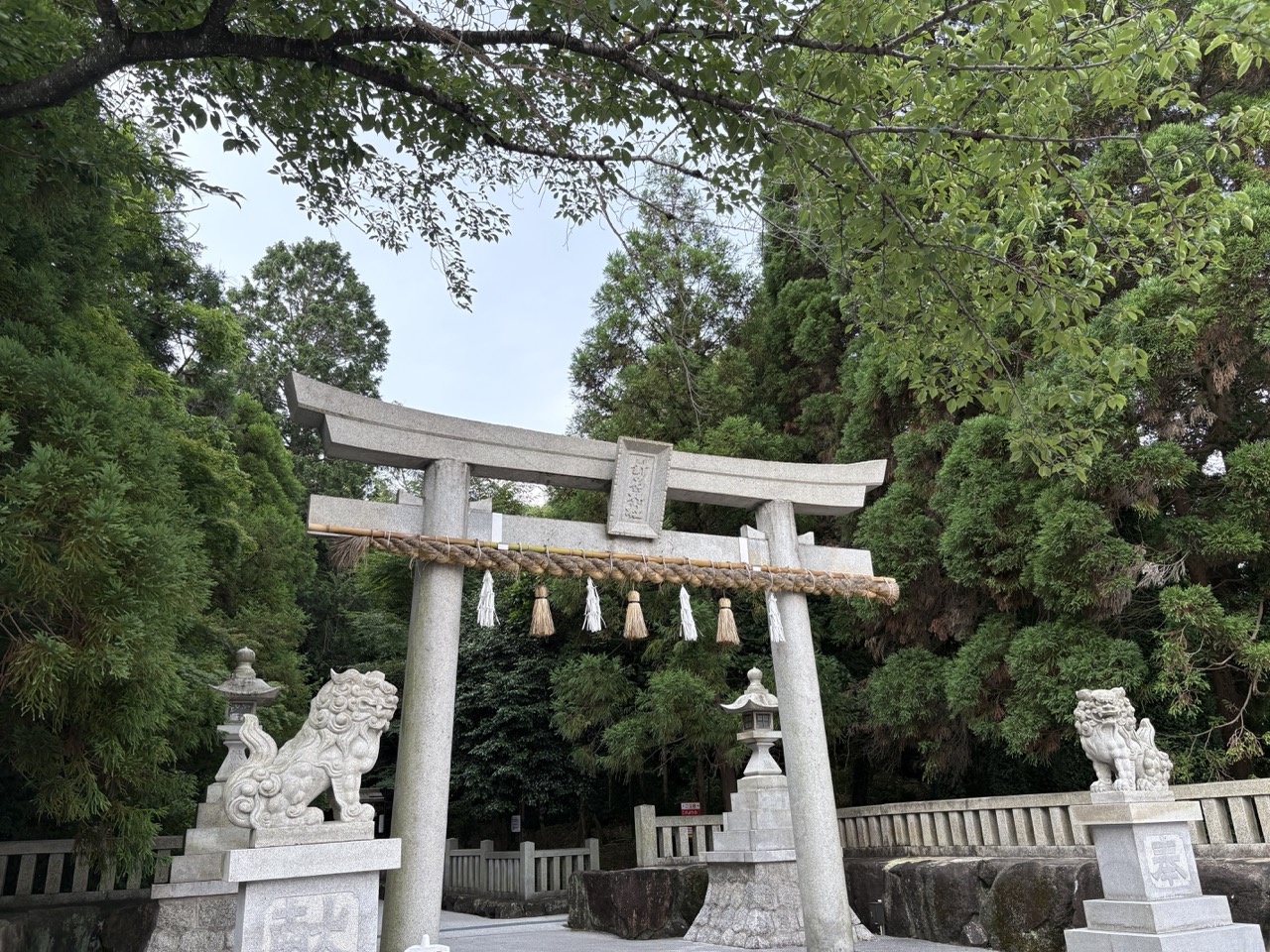
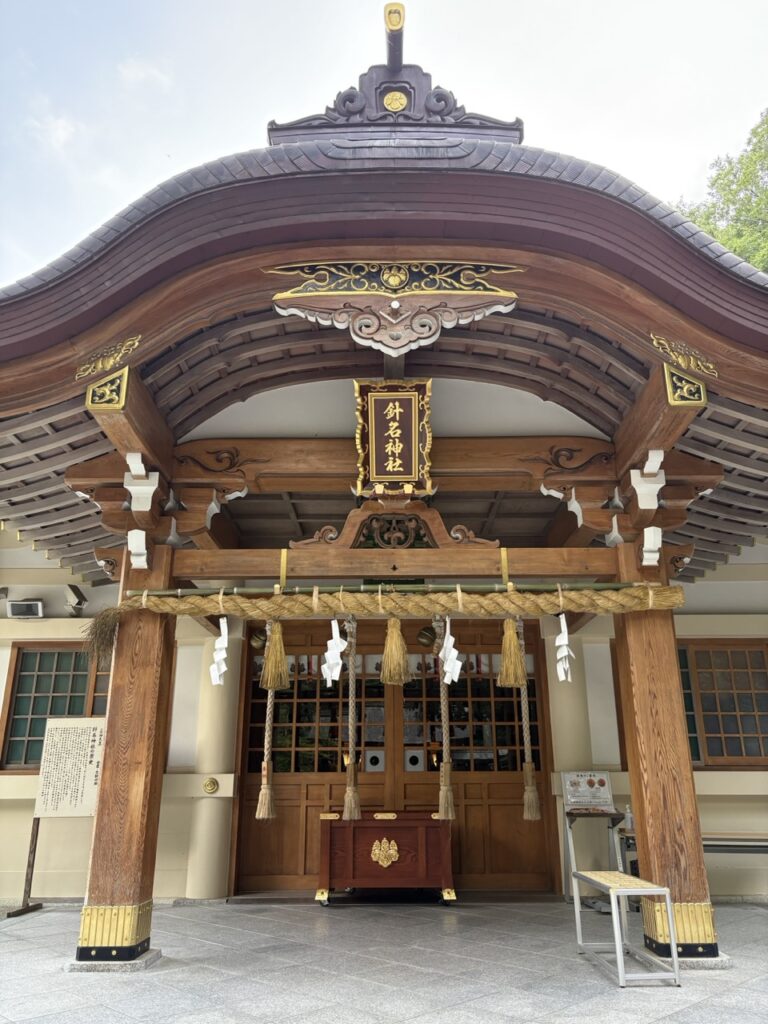
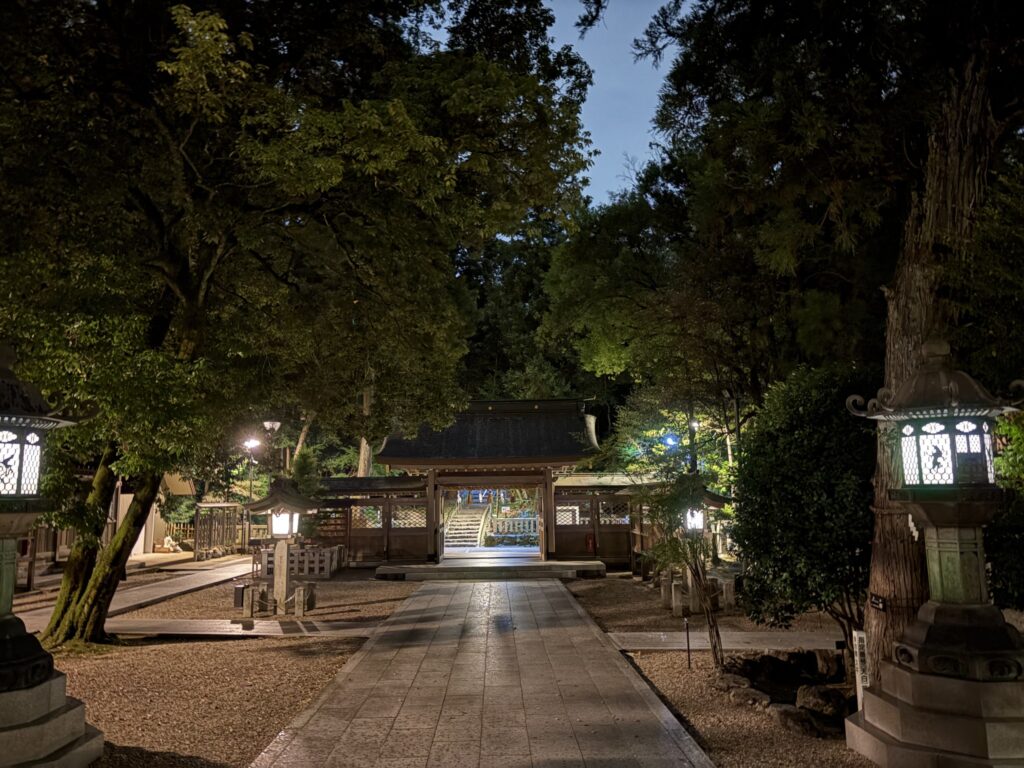
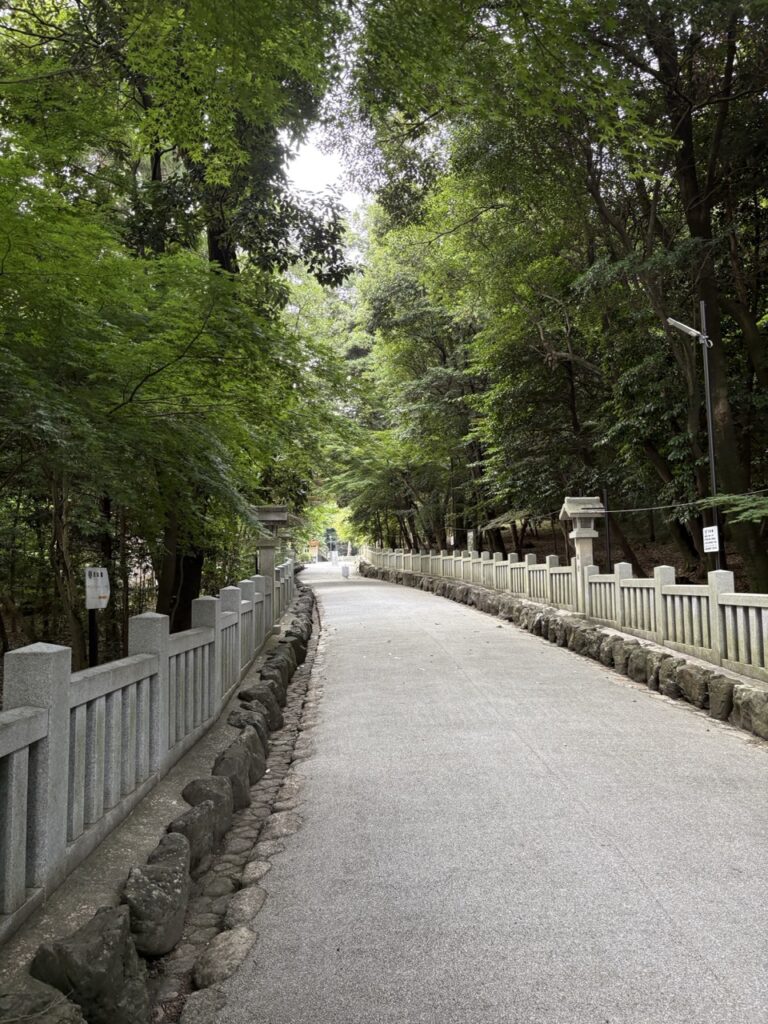
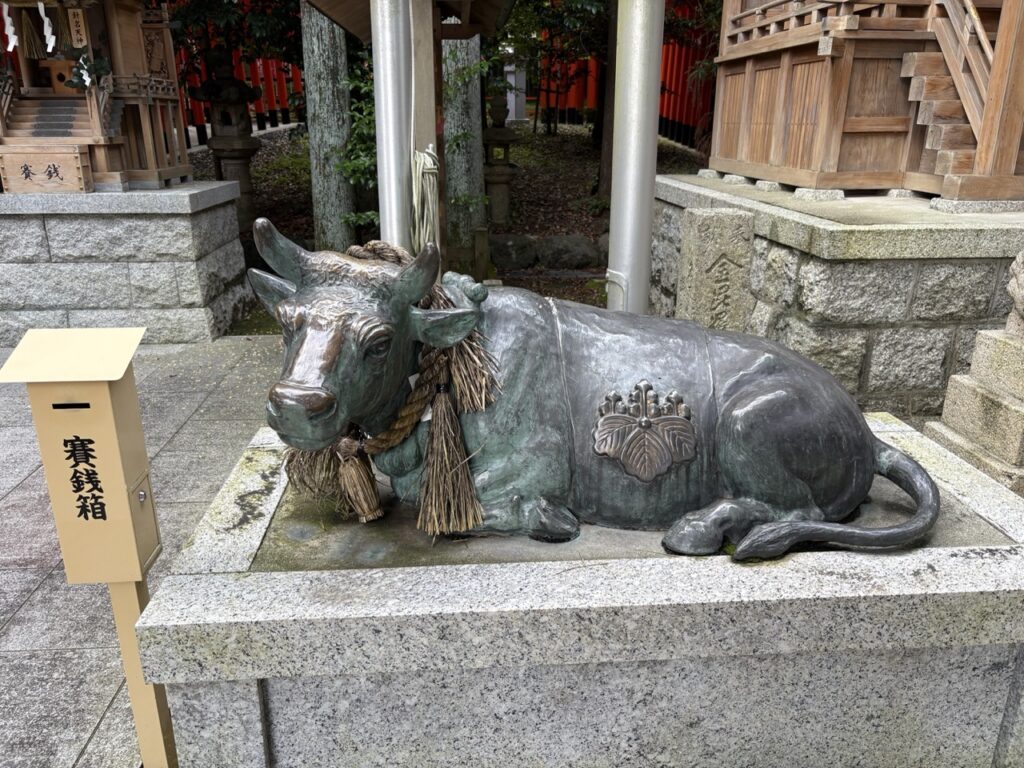
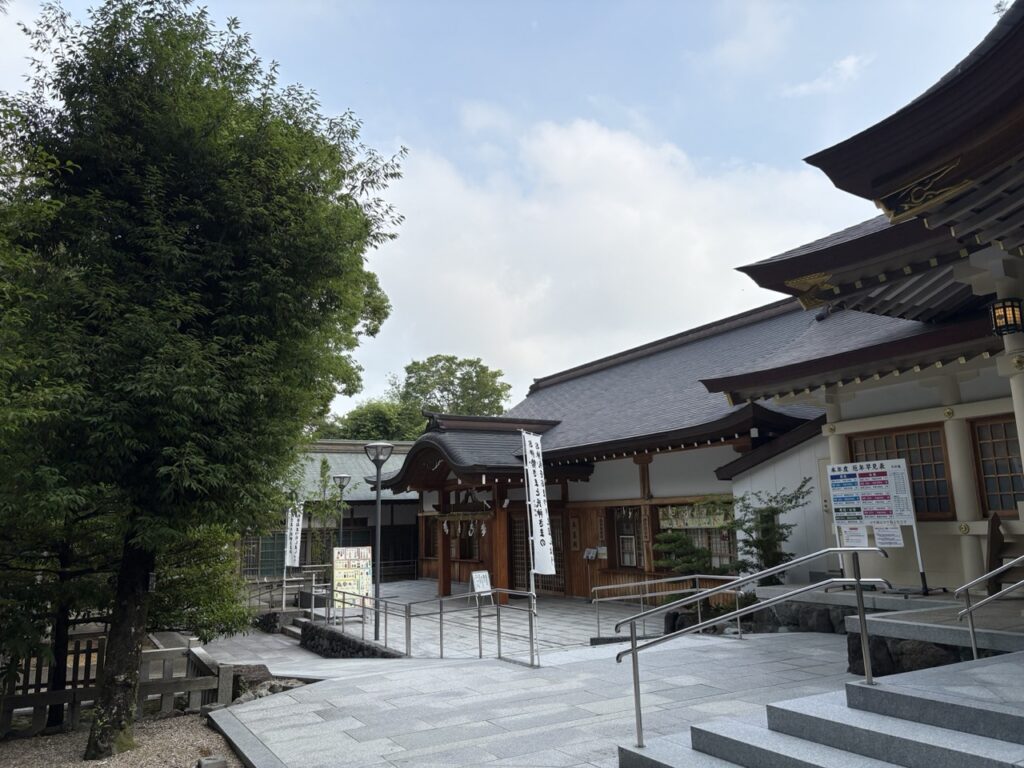
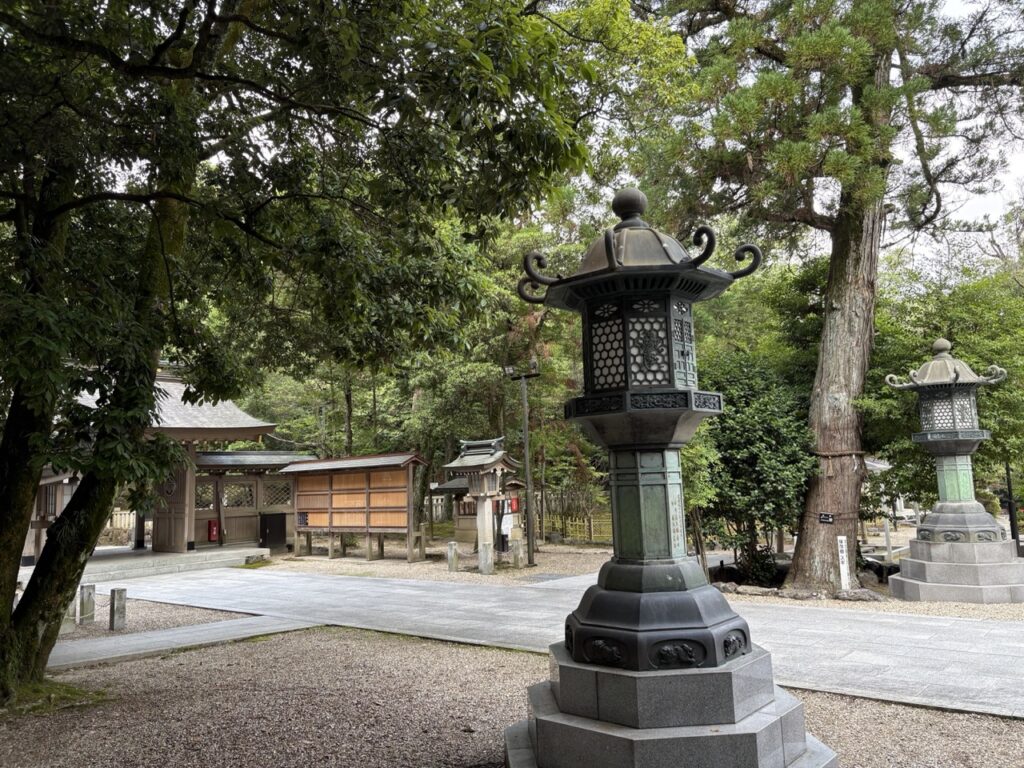
    Located in Tenpaku Ward, Nagoya City, “Harina Jinja” is a venerable shrine with over 1,100 years of history, quietly nestled in a peaceful residential neighborhood. Despite being just a 10-minute walk from Hirabari Station on the Tsurumai Subway Line, it boasts a spacious approach path and grounds. The moment you step inside, you’re enveloped in a sacred atmosphere far removed from the hustle and bustle of daily life.

    For Autoproject, Inc. which operates this website, Harina Jinja holds special significance. As our local tutelary deity, we receive daily protection and blessings from this sacred place.

    What Is a Ujigami?

    Over a Thousand Years of History in an Elegant Setting

    According to ancient documents, Harina Jinja was founded around 900 AD, making it one of Nagoya’s most historically significant shrines. While the current shrine buildings have been beautifully maintained and are impeccably clean, you can truly feel the weight of over a millennium of history within its grounds.

    The shrine is said to have deep connections with Ise Grand Shrine and Atsuta Shrine, and has been gathering the faith of people since ancient times.

    Multiple Deities and Diverse Blessings

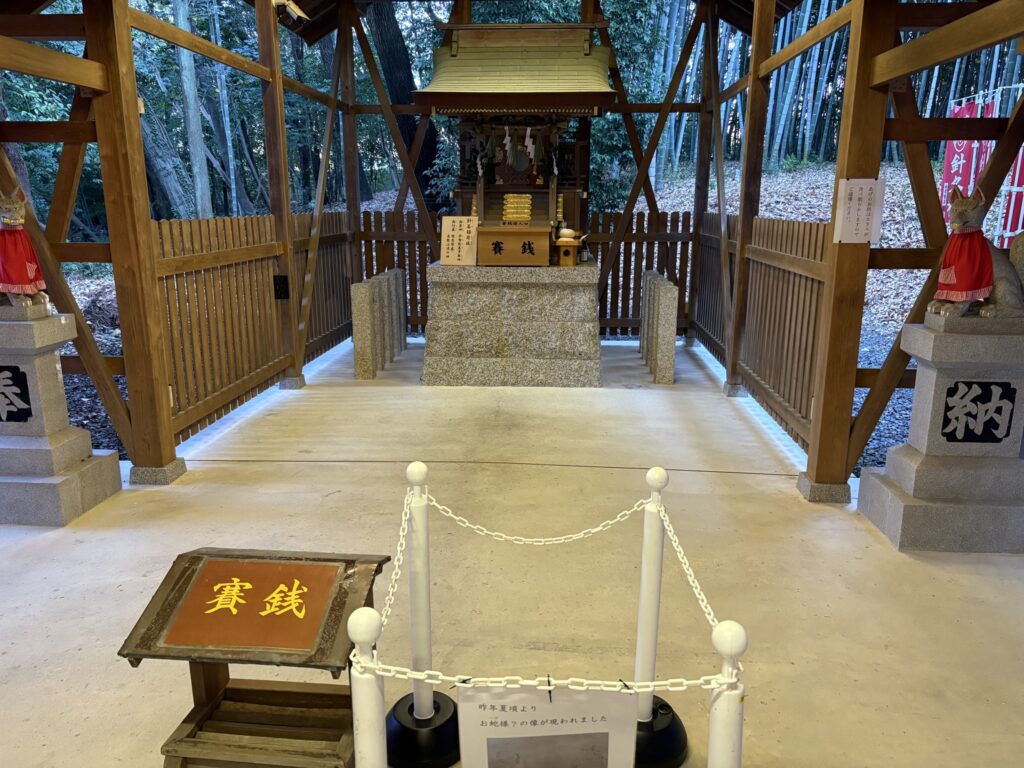
    One of Harina Jinja’s attractions is that it enshrines many different deities. In addition to the main hall, the grounds contain multiple auxiliary shrines, with the “Shinmei-sha” alone housing six additional shrines. It’s rare to find a shrine with so many gathered deities, allowing it to answer the diverse prayers of its visitors.

    The blessings offered are equally diverse, including good fortune, protection from misfortune, academic success, health, traffic safety, and business prosperity – making it a reliable source of support for various aspects of life. It’s believed that during the Edo period, as people gathered at this important point along the “Hirabari Highway,” various deities were successively enshrined here as the center of regional faith.

    Surrounded by Vibrant Vermillion Torii Gates

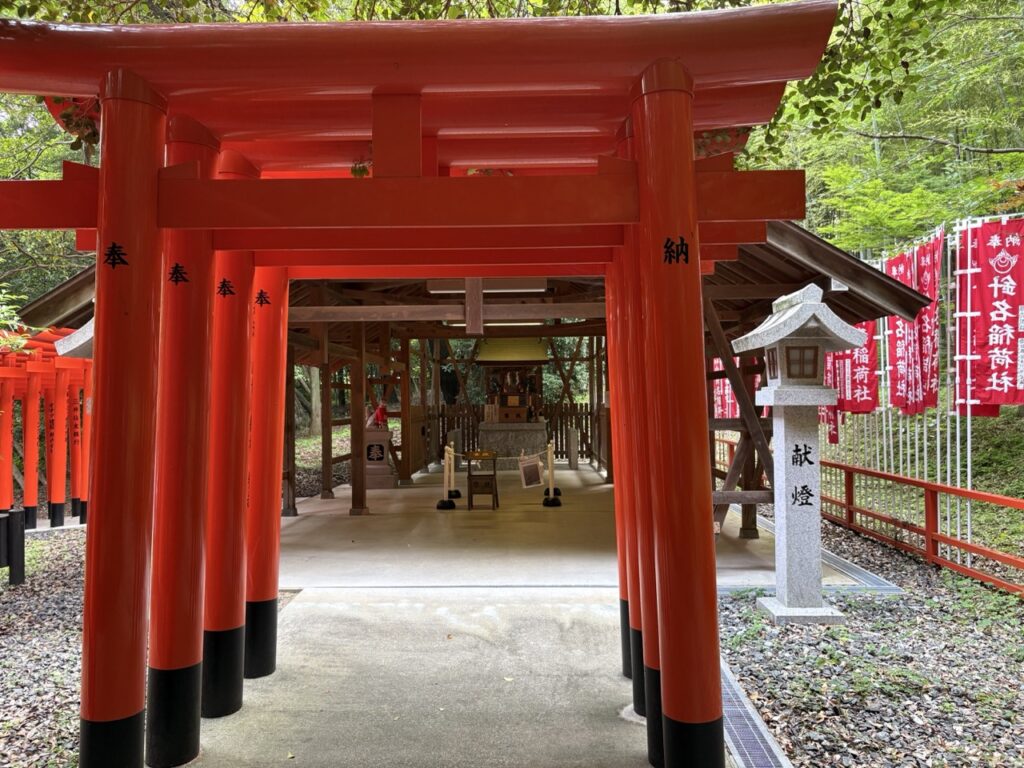
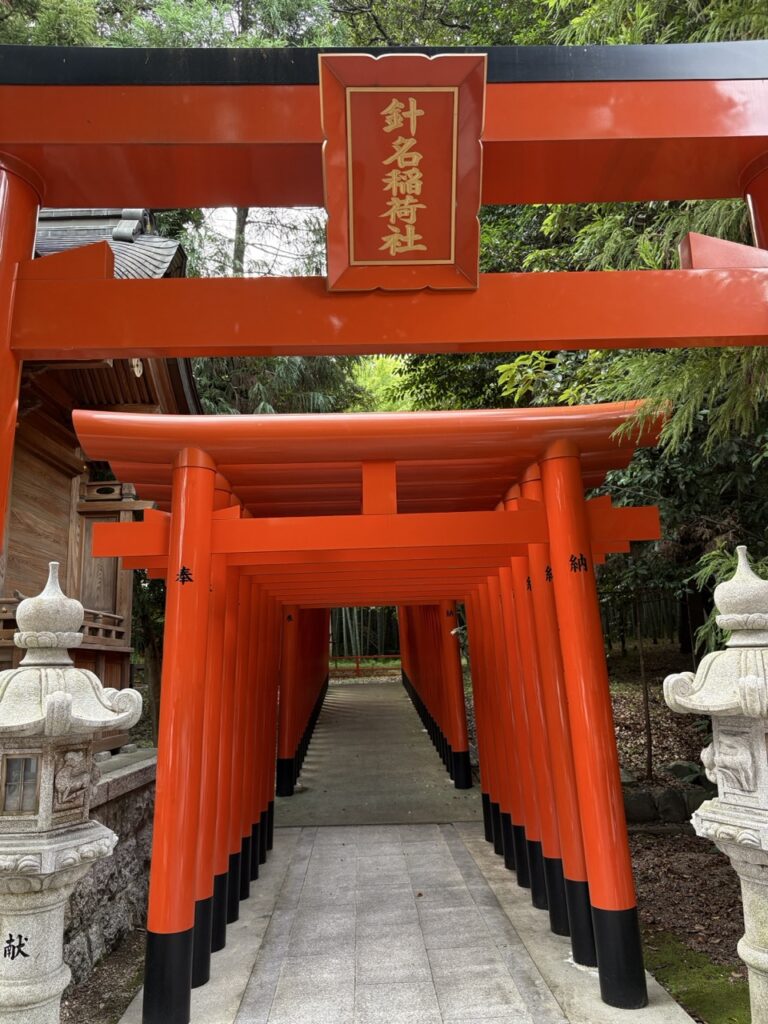
    The rows of vermillion torii gates standing before Harina Inari Shrine are truly spectacular. Each time you pass through a gate, your mindset shifts from the ordinary to the extraordinary, creating a sense of spiritual focus. Few shrines in Nagoya offer the sight of so many torii gates lined up together.

    They’re also perfect for photography, so be sure to capture a memorable shot during your visit.

    Finding Inner Peace in Tranquility

    Unlike nationally famous shrines such as Ise Grand Shrine or Atsuta Shrine, Harina Jinja typically doesn’t see large crowds of visitors. As a result, time flows peacefully within the grounds, allowing you to truly feel the sacred atmosphere.

    The ability to quietly clasp your hands together, reflect on yourself, and make inner vows about future goals and wishes is one of Harina Jinja’s unique charms.

    Allow Extra Time for New Year’s Visits

    During the first three days of the New Year, the shrine receives enormous numbers of visitors, and worship can take over three hours. If you prefer a more leisurely visit, we recommend coming at a different time of year. The mild seasons of spring and autumn are particularly ideal, when the natural beauty of the grounds is at its peak and perfect for strolling.

    Access Information

    Address

    175 Oaza Hirabari Daikon-ga-koshi, Tenpaku-ku, Nagoya, Aichi 468-0021

    Access

    10-minute walk from Hirabari Station on the Tsurumai Subway Line

  • Experience Japan’s Festival Spirit Now! “Genki-ssu! Hekinan”|Hekinan City, Aichi

    Experience Japan’s Festival Spirit Now! “Genki-ssu! Hekinan”|Hekinan City, Aichi

    A vibrant summer event where modern Japan’s festival culture comes alive

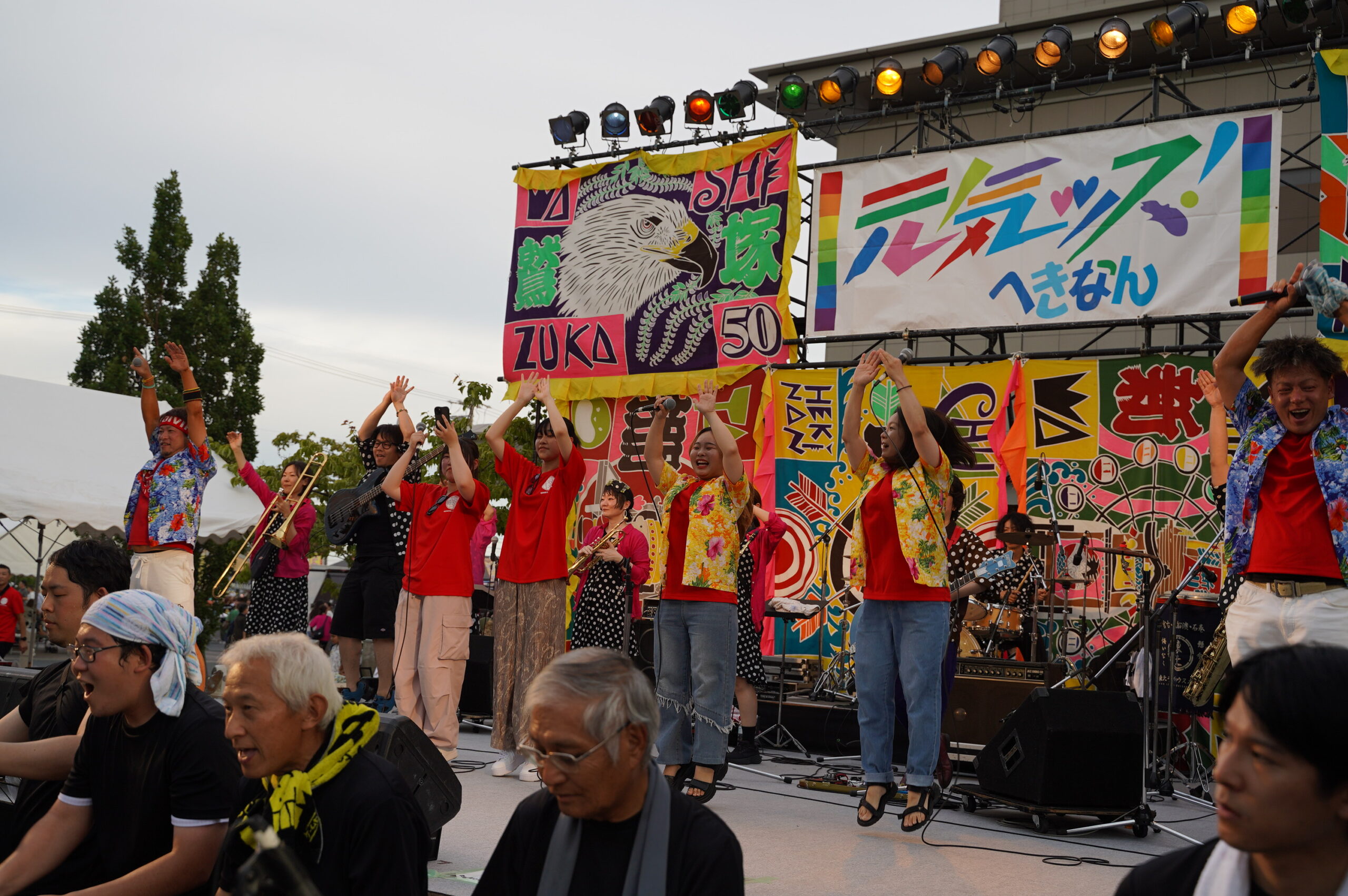
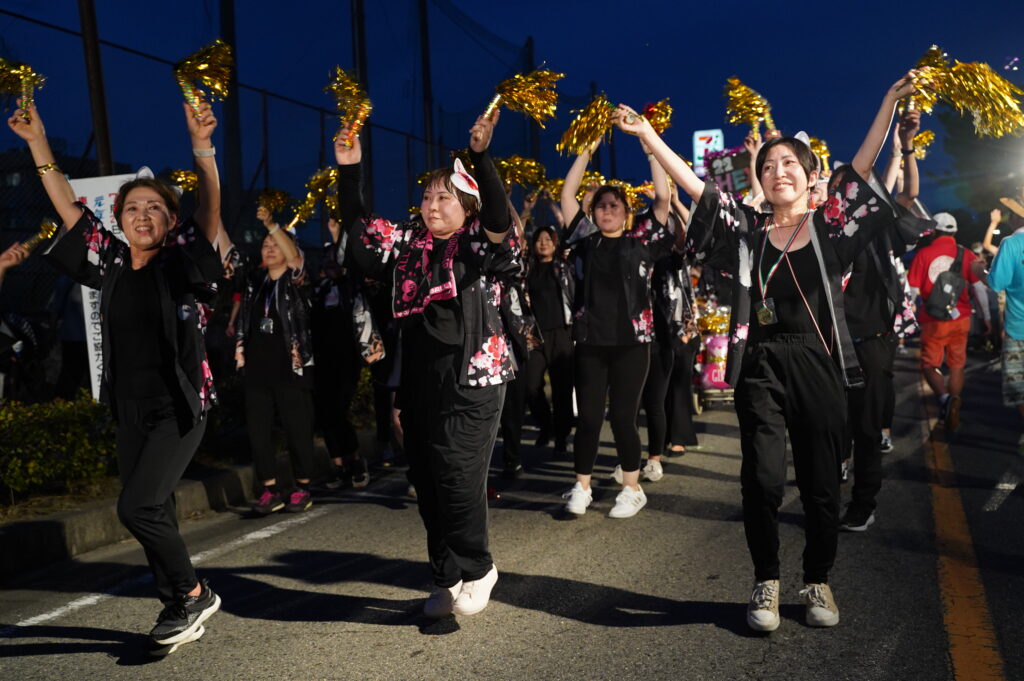
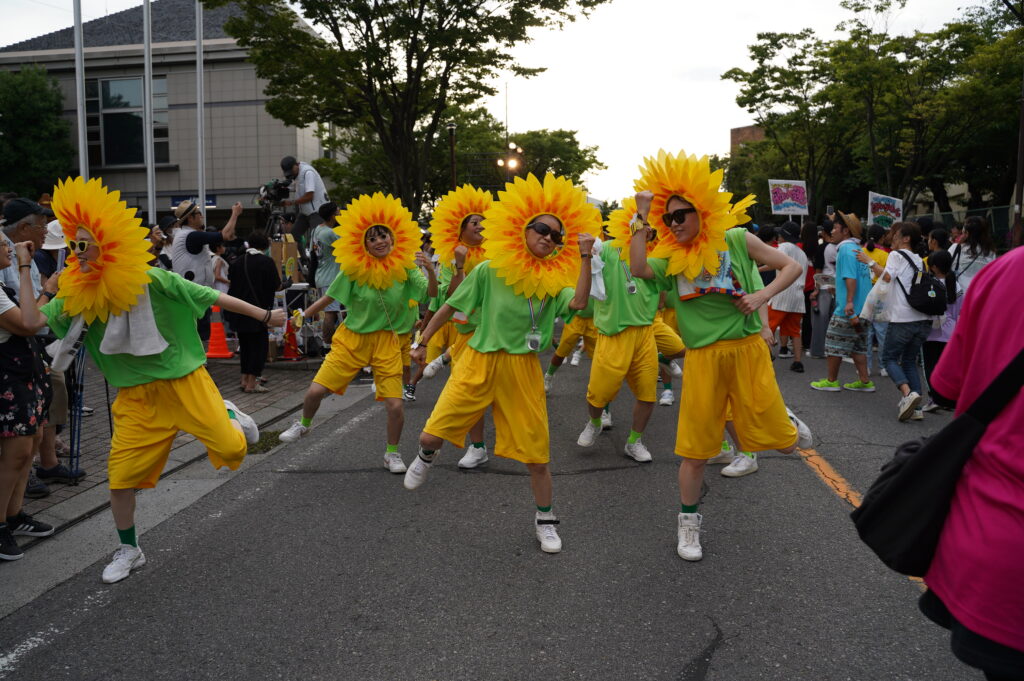
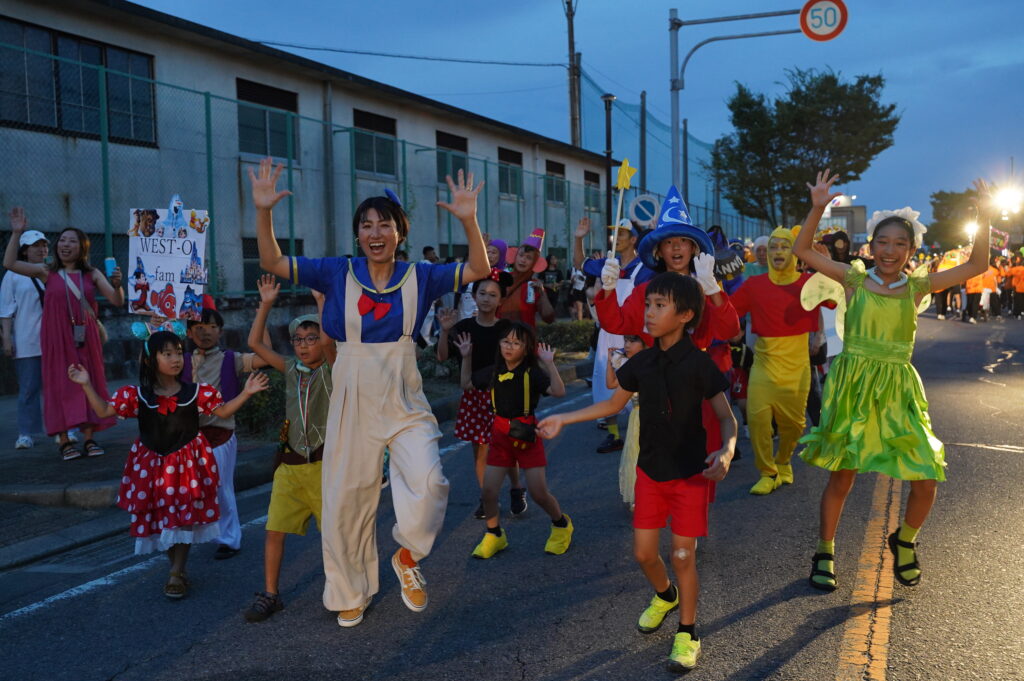
    Every August in Hekinan City, Aichi Prefecture, the annual summer festival “Genki-ssu! Hekinan” brings together local energy and contemporary Japanese festival culture. Unlike traditional festivals with bon odori dances and mikoshi (portable shrines), this event invites everyone to dance freely, join performances, and celebrate side by side—blurring the line between performer and audience.

    The Sounds of Summer in Japan – Discovering the Charm of Bon Odori

    This flagship event of Hekinan draws not only local residents but also many visitors from across Japan and abroad. Generations and nationalities come together, creating a true sense of unity in the heart of summer.

    Highlights You Won’t Want to Miss

    Taste Hekinan’s Local Flavors

    The festival grounds are filled with food stalls offering both classic Japanese festival snacks and Hekinan’s own regional specialties. From sizzling street food to nostalgic treats, the lively calls of vendors and the aroma of grilled delights set the festive mood.

    Dance in the Parade – Everyone’s Invited!

    A signature attraction is the dance parade, where groups perform in creative costumes with original choreography. Unlike the fixed style of bon odori, each team showcases its own way of expressing the joy of dance. The energy is contagious—you’ll feel uplifted whether you’re performing or simply watching.

    Live Music and Performances

    On the main stage, dance teams and live bands keep the excitement going. From local students to professional artists, the lineup is diverse and dynamic. International groups also join in, adding a multicultural flair and making the festival a true celebration of diversity.

    A Day to Feel Japan’s Passion

    “Genki-ssu! Hekinan” is more than just a local festival—it’s a chance to experience the vitality of modern Japan. Surrounded by music, dancing, and smiles, you’ll step out of the everyday and into an atmosphere of pure celebration.

    For travelers, it’s also an opportunity to discover a side of Japan far from the quiet and reserved stereotype. Here, you’ll encounter passion, energy, and joy shared openly by everyone around you. Joining the festival—whether by chance or by plan—will surely become one of your most unforgettable memories of Japan.

    Discover Today’s Japan in Summer Hekinan

    True to its name, “Genki-ssu!” is a festival that fills you with energy. Watch, dance, eat, or simply soak it all in—however you take part, it’s a summer experience like no other.

    Venue

    Around Hekinan City Hall

    Official Website