Tag: Food & Drink

  • Yakiniku Choshun Kariya — Enjoy Quality Grilled Meat at a Reasonable Price in a Spacious Setting Near Kariya Station

    Yakiniku Choshun Kariya — Enjoy Quality Grilled Meat at a Reasonable Price in a Spacious Setting Near Kariya Station

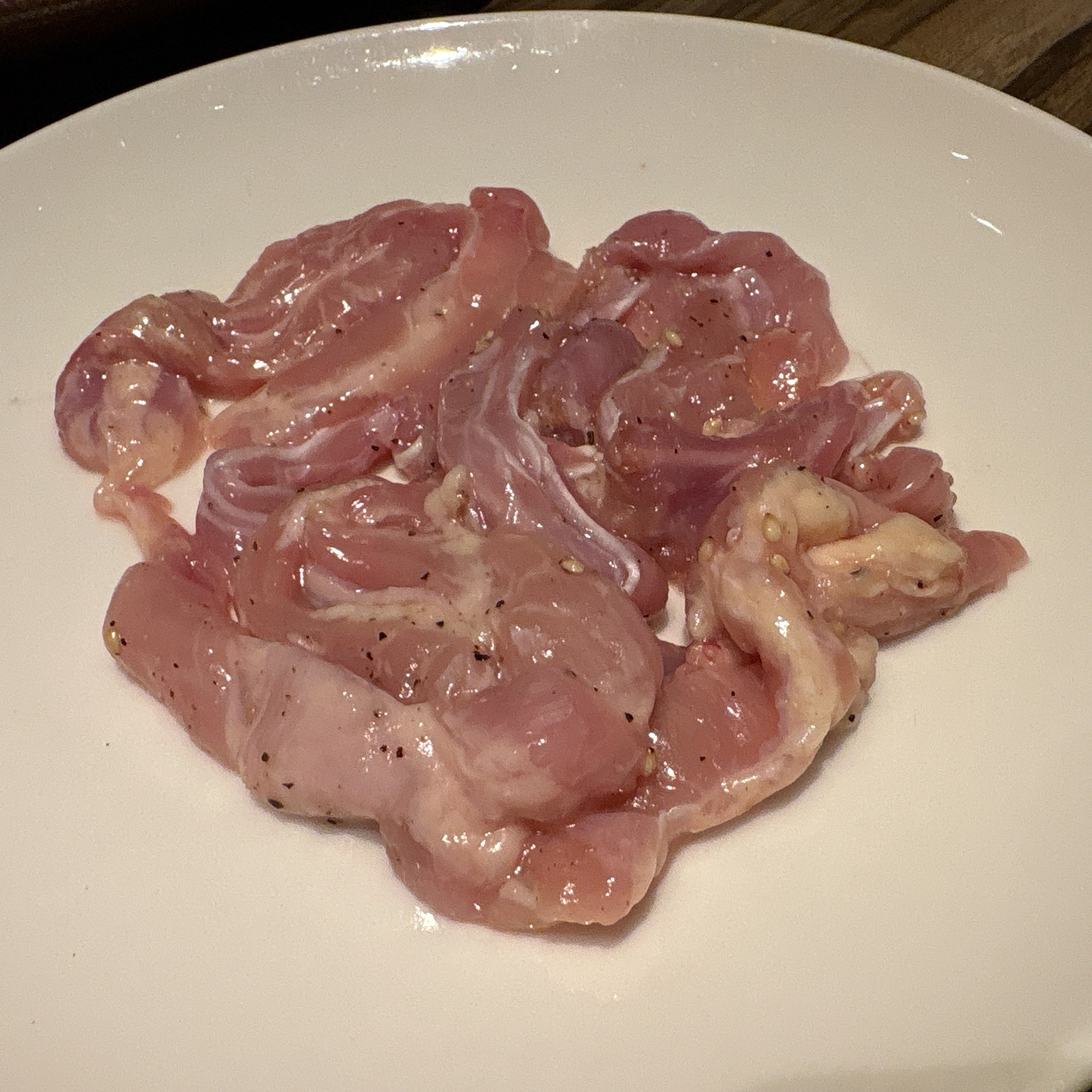
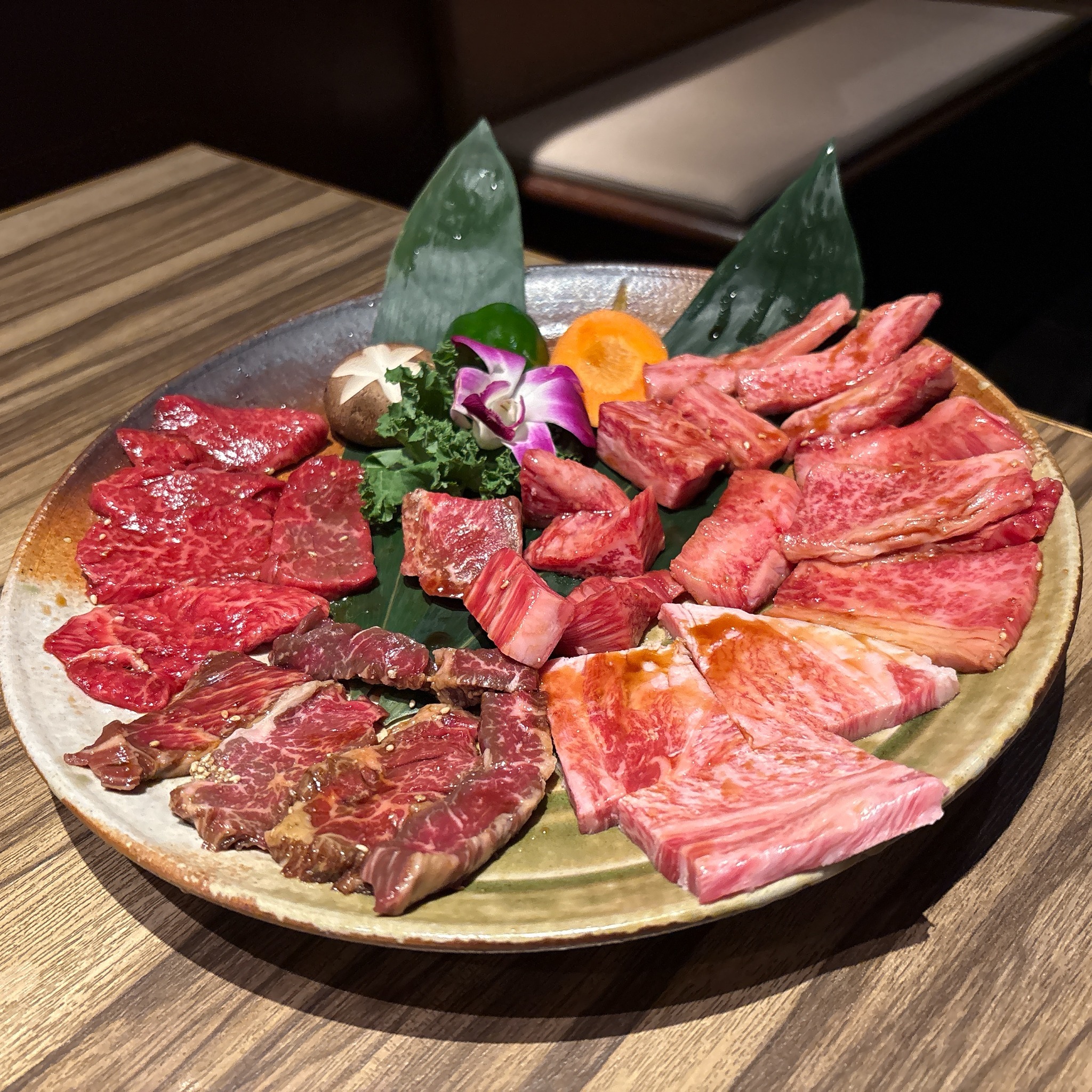
    Located just a short walk from Kariya Station, Yakiniku Choshun Kariya offers high-quality grilled meat at reasonable prices. With 270 spacious seats, it’s the perfect place to relax and enjoy delicious yakiniku with family, friends, or colleagues around a large table.

    The secret behind Choshun’s great flavor lies in its direct sourcing from the Minami Market in Nagoya. Each cut of meat is carefully inspected for marbling and texture, selected with expertise built over many years. By purchasing directly at wholesale prices, Choshun can provide premium-quality meat at an affordable price.

    With the belief that “lowering prices doesn’t mean lowering quality,” Choshun continues to refine its craft and experience. Every dish served is one they can proudly call truly delicious. Their philosophy—“Good meat makes people happy”—is at the heart of what makes their food so special.

    Another highlight of Choshun is its handmade flavor. For example, the popular kimchi is still made entirely by hand, just as it was in the past. Depending on the season and the quality of the Chinese cabbage, the amount of salt, spice mix, and fermentation temperature are adjusted with care. This homemade kimchi is a true testament to craftsmanship and dedication.

    Choshun’s secret yakiniku sauce is another key to its deliciousness. Made by simmering ingredients like sugar crystals, garlic, ginger, soy sauce, and chili peppers over time, this handmade sauce concentrates rich umami flavor that perfectly complements the grilled meat.

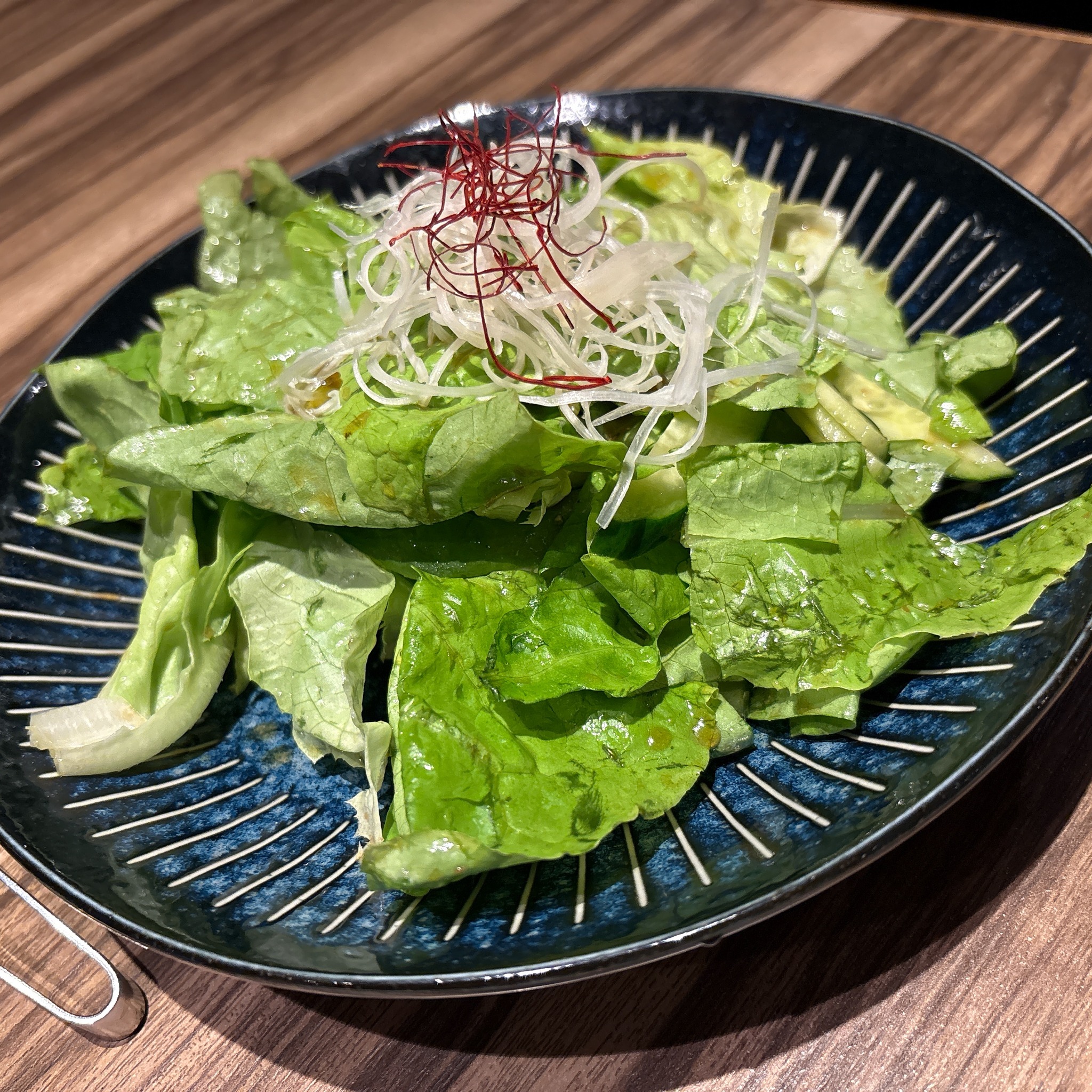
    The homemade soy-based dressing used in the salads is also a favorite among customers. With its refreshing yet savory taste, it enhances every side dish and completes the Choshun dining experience.

  • Colorful Okaki That Lift Your Spirits – “Okakiya Tatsushin” in Chita City

    Colorful Okaki That Lift Your Spirits – “Okakiya Tatsushin” in Chita City

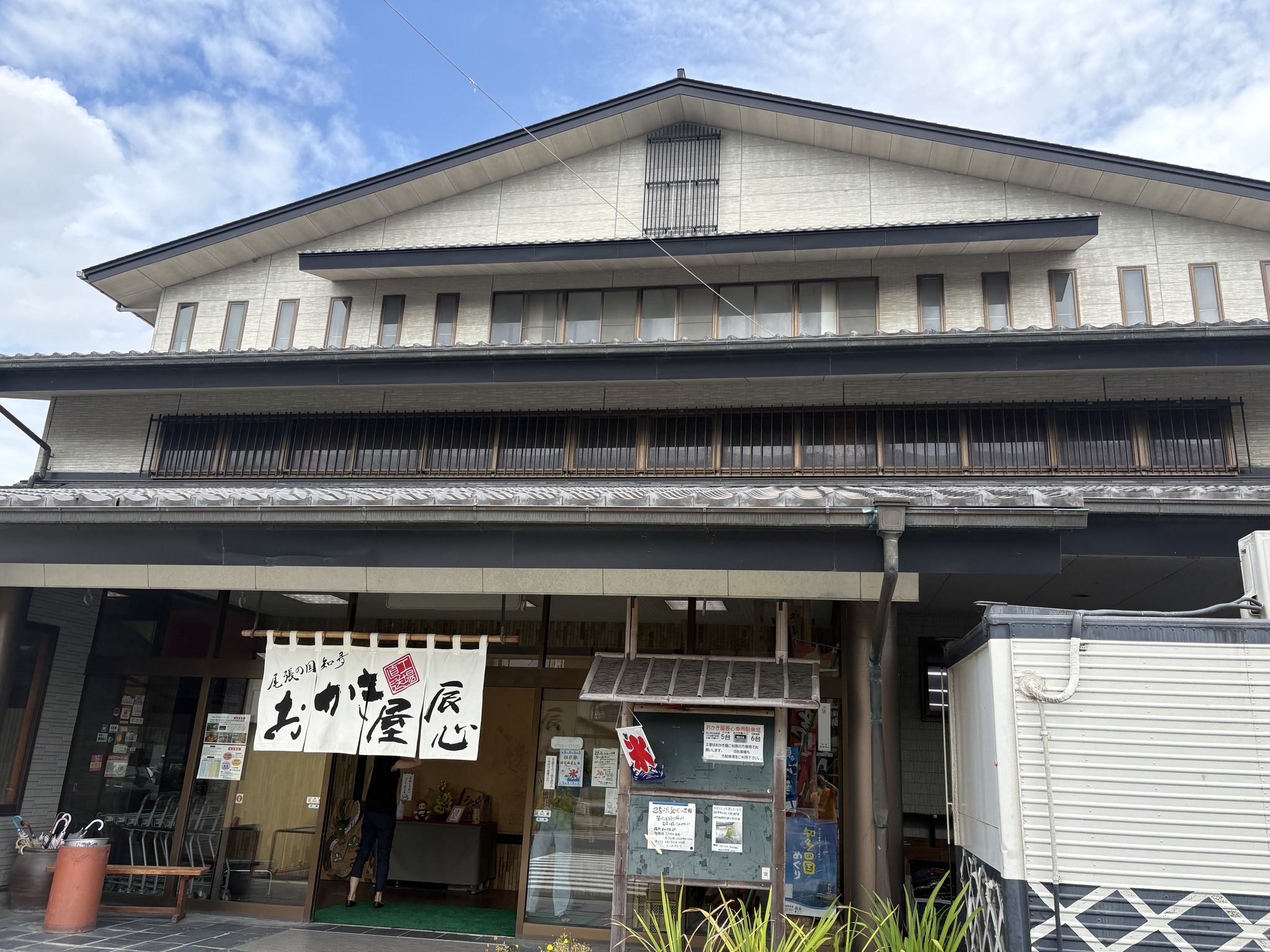
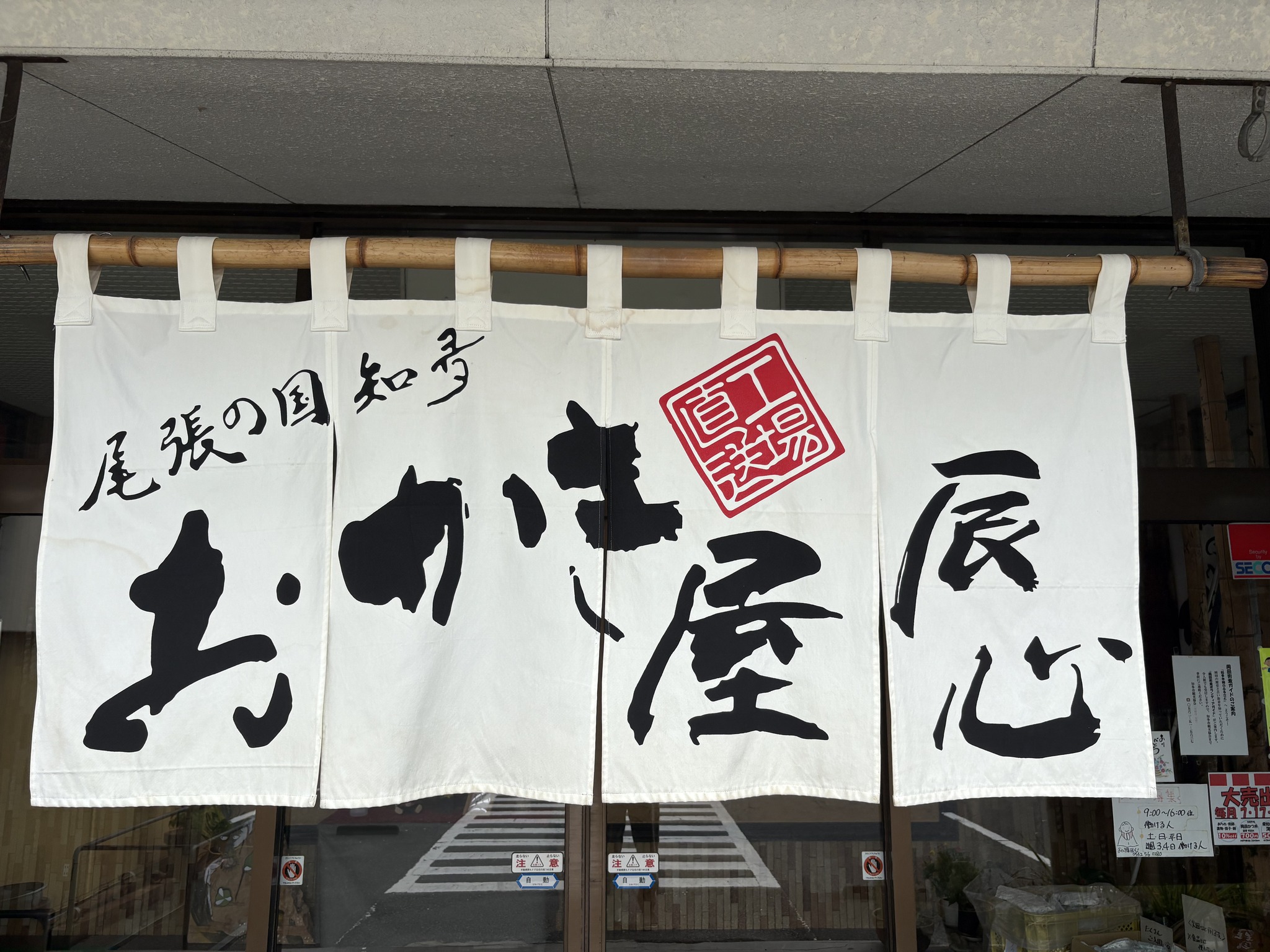
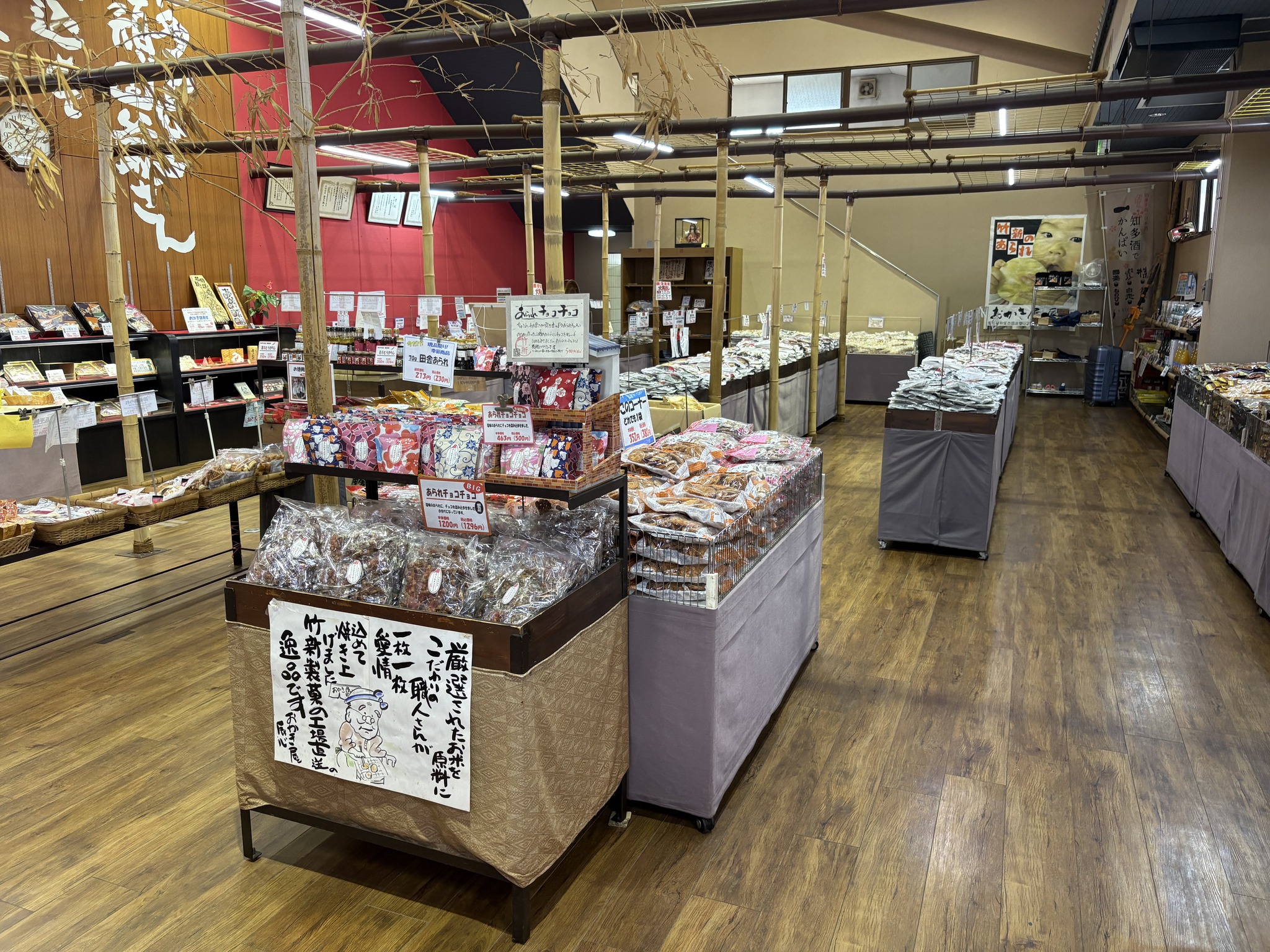
    Located in Okada, Chita City, Okakiya Tatsushin is a specialty shop that handles everything from production to direct sales of okaki, a traditional Japanese rice cracker made from glutinous rice.

    What Is “Okaki”? – A Traditional Japanese Snack Made from Glutinous Rice

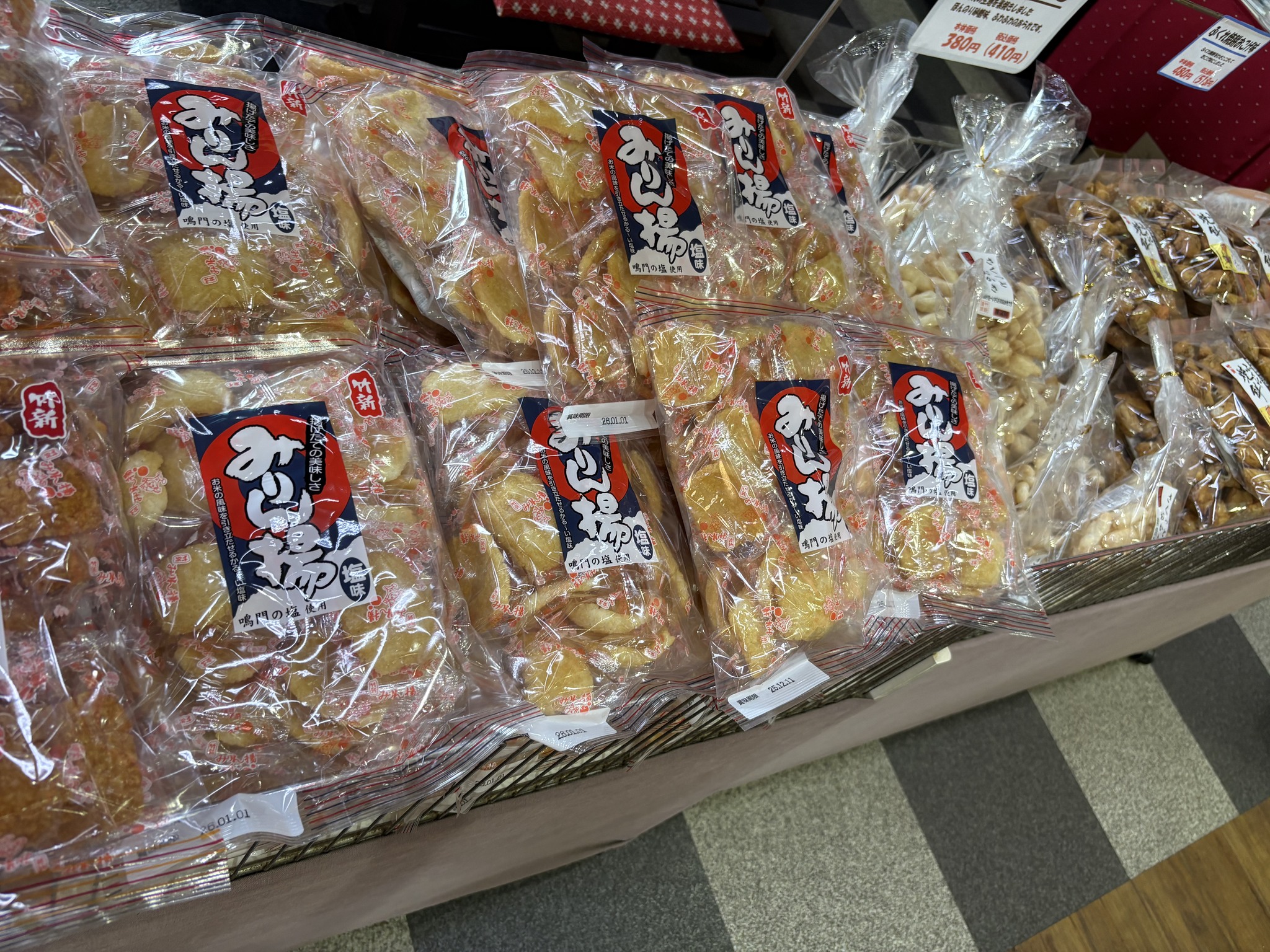
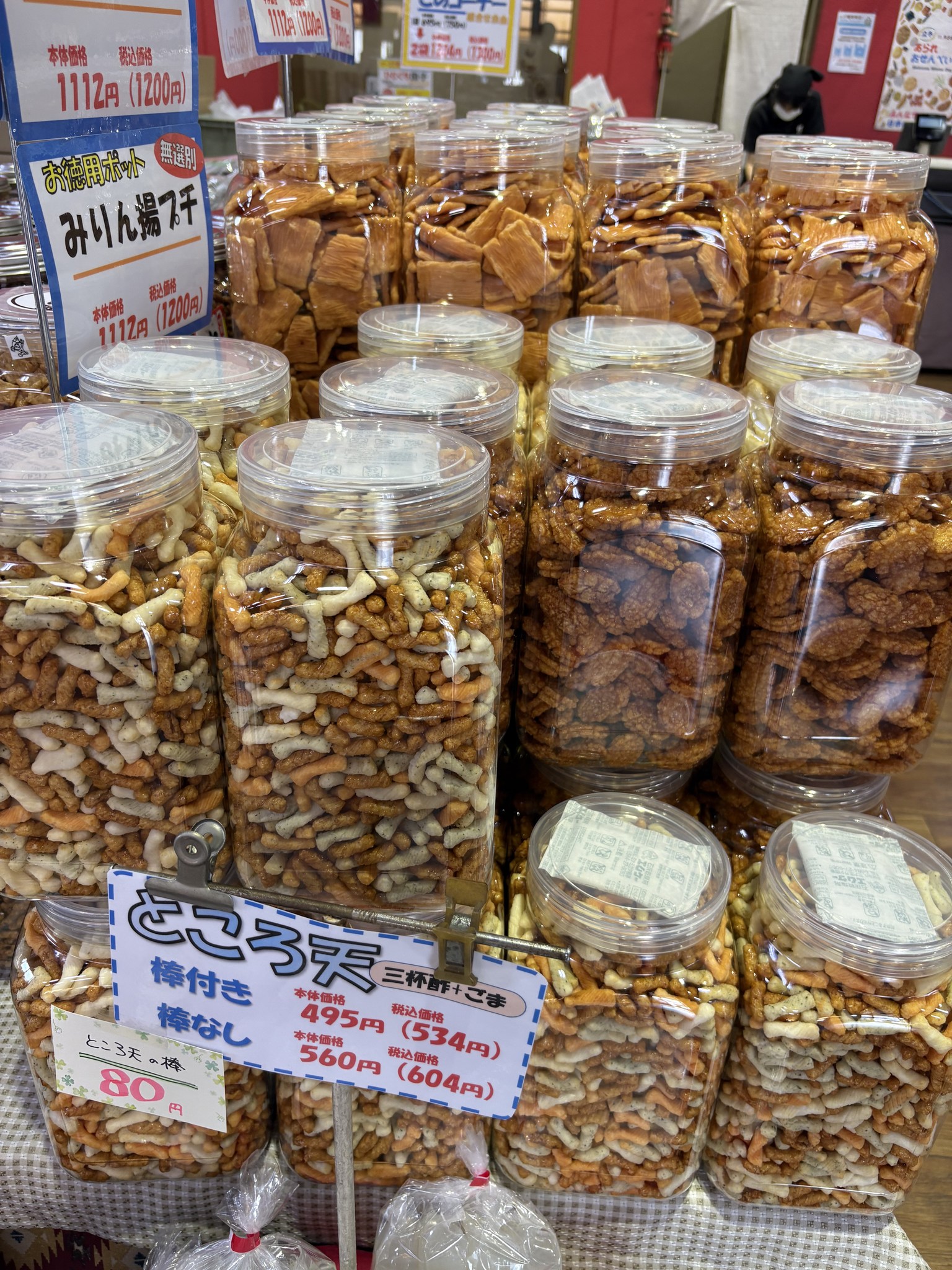
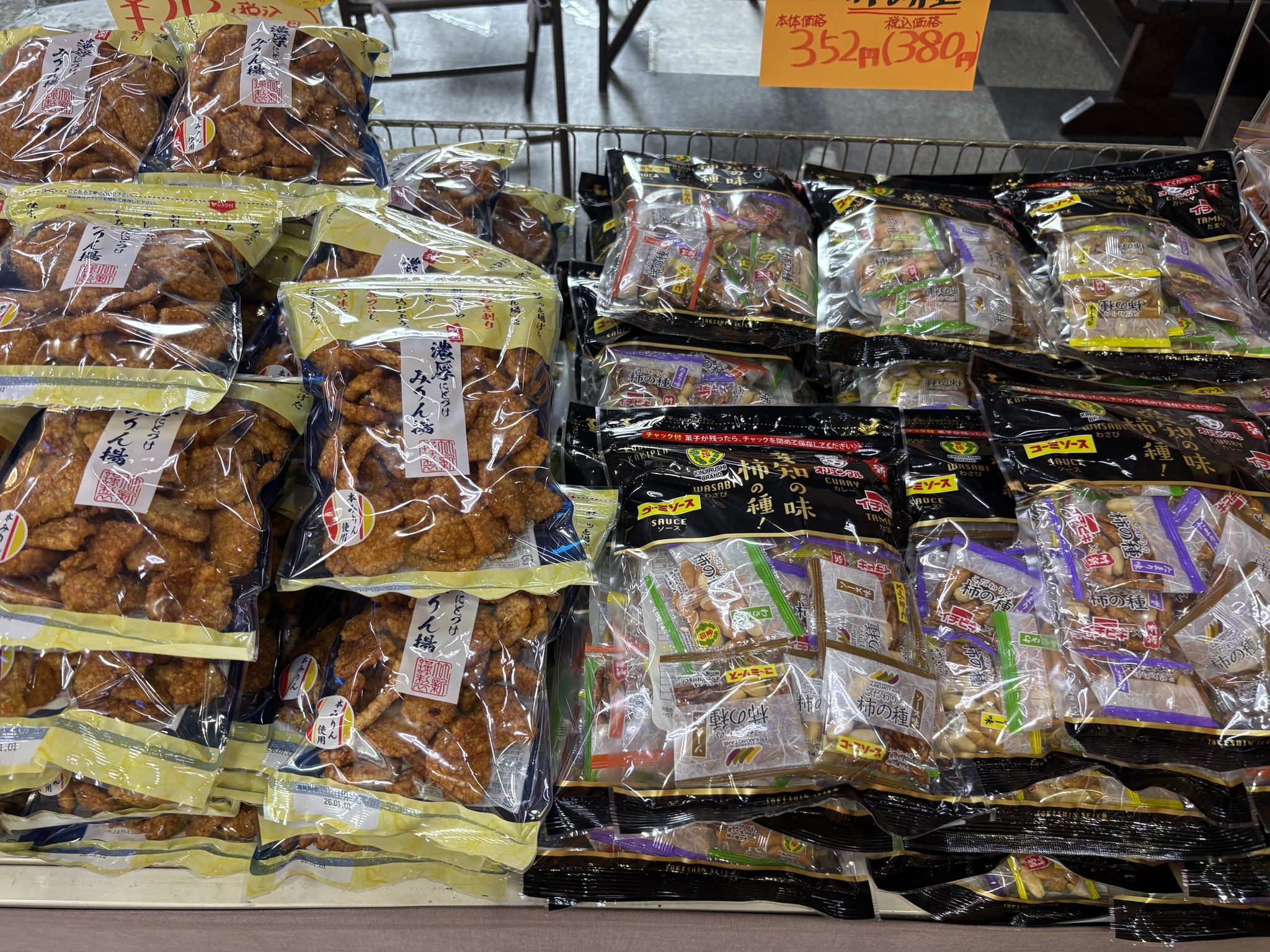
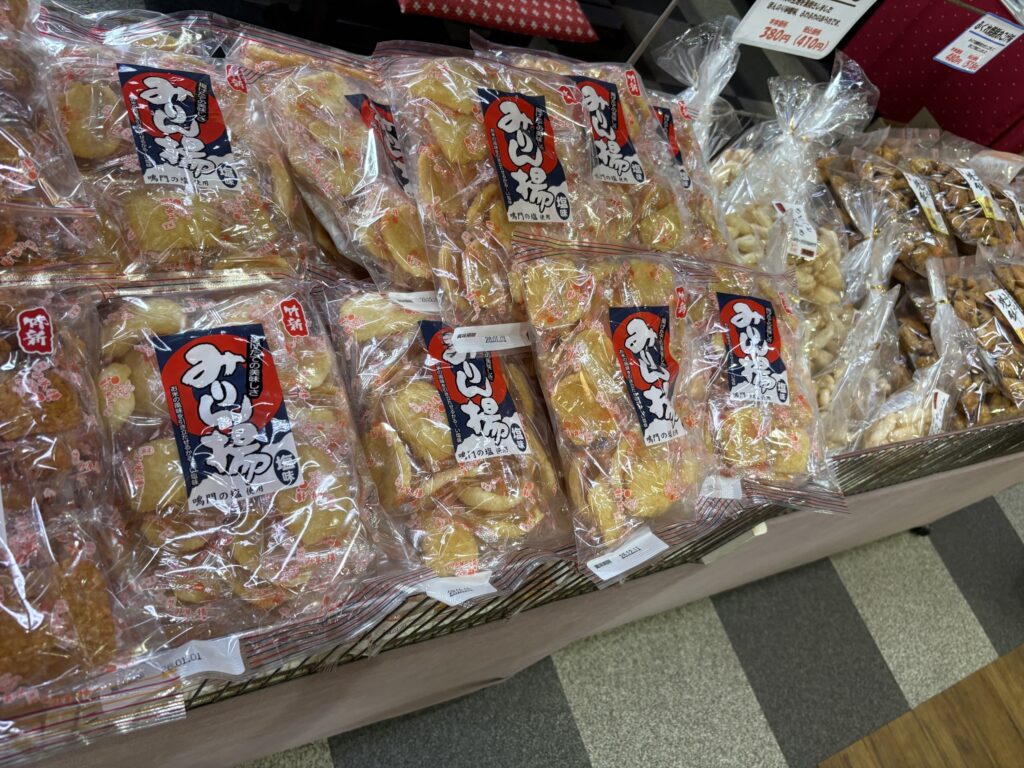
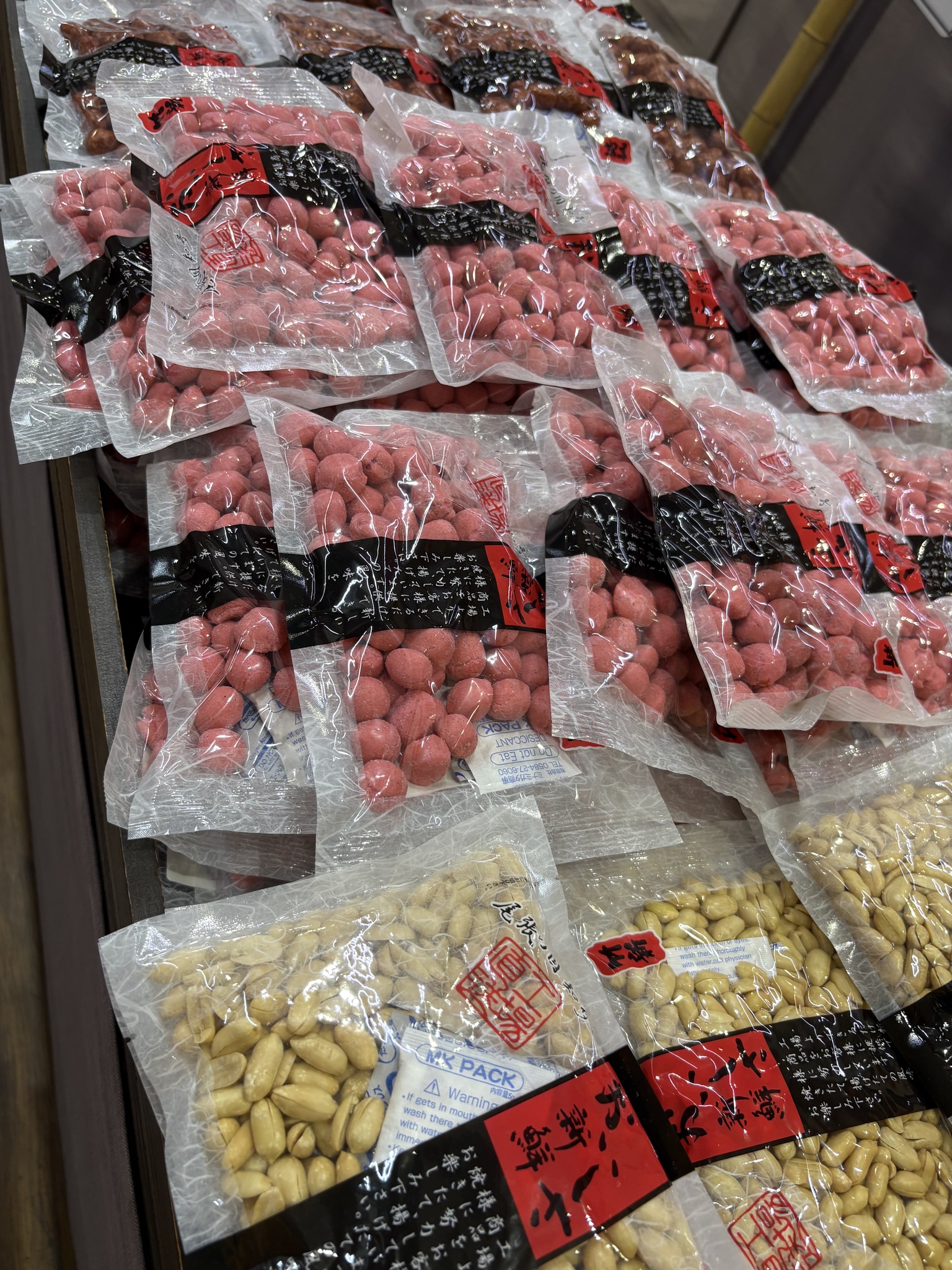
    Inside the store, shelves are lined with colorful and variously shaped okaki, so vibrant and diverse that it’s hard to choose just one.

    You’ll find yourself saying, “I didn’t know there were so many kinds of okaki!” The variety is so impressive that choosing becomes part of the fun. On the day I visited, I ended up buying about ten different kinds without even realizing it.

    Each okaki is fragrant and crispy, offering a light texture that differs from Western-style baked sweets like cookies. It’s a uniquely Japanese taste experience.

    Okakiya Tatsushin is often featured on TV and other media for good reason — it’s not just an okaki shop; it’s a unique local spot full of character.

    The shop also has a small restaurant area where you can enjoy its popular dishes like katsudon (pork cutlet rice bowl) and mitarashi dango (sweet soy-glazed rice dumplings). In this area, “Okada Katsudon” is known as a local soul food, making it a great way to experience regional flavors.

    With a spacious parking lot, the shop is convenient for tour buses as well. It’s an ideal place to stop by during sightseeing to enjoy both traditional Japanese flavors and warm hospitality.

  • What Is “Okaki”? – A Traditional Japanese Snack Made from Glutinous Rice

    What Is “Okaki”? – A Traditional Japanese Snack Made from Glutinous Rice

    A Traditional Japanese Snack Loved for Its Fragrance and Crunch

    A Classic Treat Made from Glutinous Rice

    Okaki is a type of rice cracker that has been enjoyed in Japan for centuries. Made from glutinous rice, it is baked or fried to create a fragrant aroma and satisfying crunch. It’s a beloved snack that pairs perfectly with a cup of tea.

    In general, crackers made from non-glutinous rice are called “senbei,” while those made from glutinous rice are known as “okaki” or “arare.” Although all are rice-based, their texture and flavor differ depending on the type of rice and the production method.

    The Difference Between Okaki and Arare

    Okaki and arare are similar but not identical. Arare pieces are typically smaller and more uniform in shape, often served during celebrations or seasonal events. Okaki, on the other hand, is larger and has developed as a snack known for its rich aroma and satisfying crunch.

    Variety of Flavors and Regional Styles

    There are many types of okaki throughout Japan. The most common flavor is soy sauce, but there are also salted, sweet, seaweed-wrapped, and shrimp-flavored varieties. Each region and maker brings its own character to the taste.

    Soy Sauce Okaki

    The most classic flavor. After baking, the pieces are coated with soy sauce to give them a rich, savory taste.

    Salt Okaki

    A simple flavor that highlights the natural taste of the rice. It’s light and crisp.

    Seaweed-Wrapped Okaki

    Baked okaki wrapped in seaweed. The harmony between aroma and texture makes it a favorite.

    Shrimp Okaki

    Flavored with dried shrimp, offering a rich umami taste. Perfect as a snack with drinks.

    How to Enjoy Okaki

    Okaki can be enjoyed on its own or paired with tea. Especially with green tea or roasted tea, its fragrance stands out even more. Some people even crush okaki into smaller pieces and sprinkle them over rice or soup to enjoy its crispy texture.

    Because okaki keeps well for a long time, it makes a wonderful souvenir. The packaging is often elegantly designed with a traditional Japanese touch, making it a popular gift among international visitors.

  • What Is Japan’s Vending Machine Culture?

    A convenient street corner service Japan proudly offers, anytime and anywhere

    One thing that surprises many foreign travelers in Japan is the sheer number of vending machines.

    You can find them everywhere — in cities, at stations, in hotels, at tourist spots, and even in mountains or hot spring towns. Japan has one of the highest vending machine densities in the world, making these machines a deeply rooted part of everyday life.

    Why Are There So Many Vending Machines in Japan?

    Several factors contributed to the widespread use of vending machines in Japan.

    • High public safety, making vandalism rare
    • Easy to install even in small spaces
    • Strong demand for convenient drinks in hot and cold seasons
    • Advancement in cashless payment options such as IC cards

    Japan’s safe environment allows vending machines to operate securely, supporting convenience in daily life.

    More Than Drinks: A Variety of Products

    Beyond drink vending machines, Japan offers surprisingly diverse vending machines.

    • Ice cream
    • Snacks
    • Fresh vegetables and fruits
    • Instant noodles
    • Bread and desserts
    • Everyday items like umbrellas and masks

    Regional and limited-edition items also make vending machines an enjoyable travel experience.

    Cold Drinks and Hot Drinks

    A unique feature of Japanese vending machines is the seasonal offering of both *cold* and *hot* drinks. In winter, options such as hot coffee, green tea, and corn soup appear to match seasonal needs.

    Convenient Payment Options

    Many vending machines now accept multiple payment methods in addition to cash.

    • IC cards (Suica, PASMO, etc.)
    • E-money
    • Mobile payment apps

    This makes it easy for travelers to purchase drinks or snacks on the go.

    Supporting Communities and Disaster Response

    Some vending machines in Japan have emergency functions that provide free drinks during disasters.

    They can operate during power outages and support community disaster efforts. Vending machines in Japan serve not only convenience but also public safety in a country prone to natural disasters.

    Conclusion

    Japan’s vending machine culture goes far beyond simple automated retail. With convenience, variety, safety, and disaster-response roles, vending machines are an essential part of daily life.

    During your trip, try using vending machines to discover unique Japanese drinks and snacks — it’s a fun way to experience everyday culture in Japan.

  • What Is Conveyor Belt Sushi? – Enjoying Japanese Food Culture in a Fun and Casual Style

    A Popular Way to Experience Japanese Cuisine Easily

    What Is Conveyor Belt Sushi?

    Conveyor belt sushi is a casual and enjoyable way to experience Japan’s sushi culture. Unlike traditional sushi bars where chefs prepare each piece in front of customers, conveyor belt sushi offers a more affordable and accessible option with a wide variety of dishes.

    This style is loved by families, solo diners, and tourists alike for its convenience and fun experience.

    How Conveyor Belt Sushi Works

    Dishes travel around the restaurant on a rotating conveyor belt, and customers can take what they like at any time. Plate colors usually indicate price, and the total cost is calculated by counting plates. This straightforward system and the freedom to choose at your own pace are key attractions.

    • Choose what you like, as much as you like
    • Clear pricing, easy to understand
    • Comfortable to visit alone
    • Family-friendly

    Today, touchscreen ordering and high-speed lanes are common, improving efficiency and hygiene.

    Variety of Menu Options

    While traditional items like tuna and salmon are staples, many creative dishes have been introduced in recent years.

    • Seared sushi and cheese-topped creations
    • Tempura sushi and roast-beef sushi
    • Side dishes like udon, ramen, and fried chicken
    • Desserts such as pudding and ice cream

    Even those who don’t prefer raw fish can enjoy the experience thanks to the diverse menu.

    Popular Conveyor Belt Sushi Chains

    Japan has several famous conveyor belt sushi chains, each with its own unique style. Trying different ones during your trip can be a fun adventure.

    • Sushiro
    • Kura Sushi
    • Hama Sushi
    • Kappa Sushi

    Many chains offer seasonal menus, promotions, and exclusive items.

    Basic Etiquette

    Although the atmosphere is casual, there are a few manners to keep in mind:

    • Do not return plates once taken
    • Take only items ordered for your seat
    • Do not place personal items on the conveyor

    These help everyone enjoy the experience comfortably.

    Conclusion

    Conveyor belt sushi is a uniquely Japanese dining style that blends tradition with modern convenience. With affordable prices, diverse menus, and a relaxed atmosphere, it has become a beloved part of daily life in Japan.

    When visiting, try both the classic sushi offerings and the restaurant’s original creative dishes. Enjoy the convenience and fun — and discover your new favorite sushi!

  • Wagashi: Traditional Japanese Sweets Reflecting the Seasons and Culture

    Experiencing the Seasons Through Appearance and Taste: Japan’s Delicate Sweet Culture

    Wagashi represents a unique aspect of Japanese sweet culture. Made with natural ingredients such as sugar, red bean paste, rice flour, and azuki beans, wagashi are crafted with care. They are not merely “sweet treats” but are works of art reflecting the seasons, climate, and Japanese aesthetic sense.

    Cherry blossom rice cakes in spring, mizu-yokan in summer, chestnut kinton in autumn, and yubeshi in winter — wagashi incorporate seasonal ingredients, colors, and shapes, allowing Japanese people to enjoy the subtle changes of nature throughout the year.

    The History of Wagashi

    The origins of wagashi trace back to ancient times. During the Nara and Heian periods, sweets introduced from China, such as rice cakes and sugar confections, were crafted for imperial courts and temples as gifts and for ceremonial purposes. By the Kamakura period, wagashi became popular among samurai and commoners alike, and during the Muromachi period, they were further refined in connection with the tea ceremony.

    In the Edo period, sweet culture permeated common life. A variety of wagashi emerged for seasonal events, festivals, and tea ceremonies, laying the foundation for many of today’s famous traditional sweets.

    Types and Characteristics of Wagashi

    Wagashi can be broadly categorized into “namagashi” (fresh sweets), “higashi” (dry sweets), “baked sweets,” and “steamed sweets.”

    Namagashi

    Primarily made with red bean paste, these soft, short-lived sweets include nerikiri, domyoji, and seasonal omogashi. They are crafted with colors and shapes reflecting the season or event.

    Higashi

    Dry sweets with a long shelf life, such as rakugan and konpeito, are often served with tea. Their texture and subtle sweetness make them ideal accompaniments for ceremonial occasions.

    Baked and Steamed Sweets

    Baked manju, dorayaki, and steamed manju bring out flavors and aromas through heating. These are easy to make at home and enjoyed in daily life.

    Wagashi and the Connection to the Seasons

    One of the charms of wagashi is its close connection to the seasons. In spring, sweets inspired by cherry blossoms or rapeseed flowers are made; in summer, refreshing mizu-yokan or kuzumochi; in autumn, maple leaves and chestnuts; in winter, sweets shaped like snow or camellias.

    This seasonal essence is reflected not only in the colors and appearance but also in the ingredients and flavors, allowing one to experience nature’s transitions with all five senses.

    Wagashi and Japanese Culture

    Wagashi is closely tied to tea ceremonies, festivals, and gift-giving culture. During tea ceremonies, wagashi is enjoyed with matcha, providing a sensory experience that encompasses taste, aesthetics, and seasonal awareness. Wagashi is also essential for New Year, Obon, weddings, and other traditional events.

    Moreover, the overall aesthetics, including packaging, utensils, and shop displays, are an integral part of wagashi culture. Enjoying its appearance, aroma, and taste while feeling the seasonal and cultural context is what makes wagashi truly special.

    Conclusion

    Wagashi reflects Japanese life, seasonal sensibilities, and culture. They are more than just sweets—they are an important medium through which one can experience the passing seasons, human connections, and cultural traditions.

    When you have the opportunity to taste wagashi, appreciate its delicate flavors and beautiful forms while experiencing the richness of the seasons and Japanese culture. Wagashi offers not only sweetness but also a time to savor the heart and spirit of Japan.
  • The Culture of Japanese “Shōtengai” – Community Spaces Connecting People and Towns

    A Place Where Warmth Lives

    Across Japan, there are streets known as “shōtengai.” Lined on both sides with small shops such as greengrocers, fishmongers, delicatessens, general stores, and cafés, these streets reflect everyday Japanese life.

    Shōtengai are more than just shopping areas—they are like the “living rooms of the community,” where people naturally connect. Scenes of chatting with shopkeepers while shopping or familiar faces greeting each other remain cherished memories of daily life for many Japanese people.

    The Origins of Shōtengai

    The origins of shōtengai date back to the Edo period with markets and monzenmachi (towns developed in front of temples and shrines). Merchants initially served worshippers and travelers, eventually evolving into centers supporting the daily lives of local residents.

    During the Meiji period, the development of railways led to the growth of areas in front of stations. By the mid-Showa period, shōtengai became central hubs in many cities. Covered arcade shopping streets, or “arcade shōtengai,” spread nationwide due to the convenience of walking in the rain.

    The Appeal of Shōtengai

    The greatest charm of shōtengai is that you can see people’s faces. Warm hospitality not found in large chain stores and locally-rooted, unique products attract visitors’ hearts.

    Key Points of Appeal

    Interaction with People

    Conversations and greetings with shopkeepers add warmth to daily life.

    Local Flavor

    Unique local ingredients and traditional crafts give a sense of regional culture.

    Seasonal Events

    Festivals, year-end sales, stamp rallies, and other local events offer communal enjoyment.

    Shōtengai are also a “treasure trove of food.” Traditional croquette shops, yakitori stalls, and taiyaki stores, with their inviting aromas, are a major part of the experience.

    Challenges and New Initiatives

    Recently, shōtengai face challenges due to large shopping malls and online shopping. Empty shops are increasing, and many areas are aging.

    At the same time, new initiatives are emerging. Young entrepreneurs renovate old shops into cafés or specialty stores, and local residents collaborate to host community classes, rediscovering the value of shōtengai.

    Efforts such as English signage for tourists and cashless payment systems are also being introduced, adapting to modern needs. These flexible changes are helping shōtengai once again become places where people gather.

    Conclusion

    Japanese shōtengai, though evolving over time, remain an important cultural space supporting people’s lives. They embody more than just commerce—they represent “human connections” and “community warmth.”

    Even in a convenient online society, the smiles of shopkeepers and the warmth of conversation hold irreplaceable value.

    If you encounter a shōtengai during your travels or in your hometown, take a leisurely walk through it. You are sure to discover the gentle charm of traditional Japan.

  • The Culture of Japanese “Dagashiya” – A Place Filled with Children’s Small Dreams

    A Space Where Nostalgia Meets Excitement

    When Japanese people hear the word “Dagashiya,” many picture a small, old-fashioned candy shop where they used to stop by after school with friends.

    Shelves lined with colorful sweets, the moment of indecision with a 10-yen coin in hand, and the gentle smile of the shop’s elderly owner — for children, the Dagashiya was more than just a place to buy candy. It was a tiny world filled with dreams and adventures.

    The term “Dagashi” refers to inexpensive, simple sweets. The word “da (駄)” implies something “cheap” or “casual,” emphasizing accessibility for children. From the Showa era through the early Heisei period, Dagashiya could be found in towns all over Japan, serving as a beloved part of children’s after-school life.

    The Origins of Dagashiya

    The roots of Dagashiya can be traced back to the Edo period. At the time, sugar was expensive, so confectioners made simple, affordable sweets that came to be known as “Dagashi.”

    From the Meiji to the Showa eras, these shops spread widely among the common people. During Japan’s postwar recovery, small wooden Dagashiya appeared throughout the country. Children visited daily, clutching small coins as they explored the store.

    Dagashiya sold not only sweets but also lotteries, traditional toys like menko cards, ramune soda, and small trinkets — making them something like a miniature theme park for kids.

    Popular Dagashi Sweets

    Dagashi comes in countless varieties. Here are some of the most well-known examples:

    Umaibo

    A puffed corn snack introduced in 1979, available in many flavors such as cheese and spicy cod roe. It remains popular among both children and adults.

    Ramune

    Small, tablet-like candies with a light sweetness and nostalgic aroma. A classic treat, especially loved in summer.

    Kinako Sticks & Brown Sugar Candy

    Traditional Japanese flavors also have their place in Dagashiya. The roasted soybean powder–coated kinako sticks and Okinawan brown sugar candies offer comforting, nostalgic tastes.

    Candy with Lottery Tickets

    Some sweets came with a chance to win a prize — if you got a “winner,” you’d receive another candy for free. These playful touches made shopping itself an adventure.

    Dagashiya in the Modern Day

    Although traditional Dagashiya have declined due to demographic changes and the rise of supermarkets, they are seeing renewed attention thanks to the retro boom and tourism.

    Many tourist spots and shopping centers now feature “Dagashi corners,” and young entrepreneurs are reviving old stores with modern renovations. The Dagashiya spirit continues to thrive in new forms.

    The charm of Dagashiya has also captivated visitors from abroad. For many, it represents a cultural experience — a nostalgic window into Japanese everyday life.

    Conclusion

    Dagashiya are special places that continue to live in the hearts of Japanese people. Beyond their inexpensive and tasty sweets, they embody warmth, connection, and a sense of community.

    Even as times change, the spirit of sharing small happiness will keep the Dagashiya tradition alive.

    If you ever spot one, open its door gently — and let yourself remember the wonder of childhood.

  • Ennichi and Street Food – The Flavors That Light Up Japan’s Nights

    Japan’s Summer Tradition Wrapped in Scents and Lantern Light

    On summer nights, shrines and shopping streets glow with lanterns and the laughter of people. The savory aroma of yakisoba, the sweet shine of candy apples, and the distant beat of drums—just recalling these scenes lifts the heart. This is Japan’s ennichi, or festival day.

    Originally, ennichi referred to special days meant to form a spiritual bond with the gods or Buddha. People gathered at shrines and temples to offer prayers and gratitude. Over time, markets and performances began to appear, evolving into the lively “festival nights” we see today.

    The Charm of Street Food

    When it comes to ennichi, nothing captures its spirit better than the food stalls. Yakisoba, takoyaki, shaved ice, candy apples, grilled corn—each one brings back nostalgic memories for many Japanese people.

    Yakisoba

    The aroma of savory sauce and the sizzling sound of the griddle make this a festival classic.

    Takoyaki

    Crispy outside and creamy inside—these octopus balls, born in Kansai, are now loved nationwide.

    Shaved Ice (Kakigori)

    A sweet treat that cools the summer heat. The colorful syrup glows beautifully under the lantern light.

    Candy Apples

    A shiny red apple coated in sugar—both charming to look at and delicious to taste.

    Street food may be simple, but the “live” atmosphere of freshly made dishes and the extraordinary mood of the night make every bite special.

    Festival Culture Across Japan

    Ennichi festivals are held all over Japan, each with its own character.

    Tokyo’s Hozuki Market, Osaka’s Tenjin Festival, and Kyoto’s Gion Festival are among the most famous, known for their wide variety of food stalls and local specialties.

    Even at small local shrines, children in yukata enjoy goldfish scooping and yo-yo fishing. These festivals play an important role in strengthening community bonds and passing traditions down through generations.

    Modern Stalls and New Trends

    In recent years, food stalls have evolved to improve hygiene, adopt cashless payments, and even offer regional and international cuisine.
    Traditional and modern flavors now coexist, attracting foreign visitors eager to experience Japanese food culture through ennichi.

    Conclusion

    Ennichi is more than just a festive night—it’s a space where people connect and culture thrives. Under the warm glow of lanterns, each dish reflects the heart of Japan passed down through generations.

    The next time you visit a Japanese festival, take in the sights, sounds, and aromas around you, and savor the authentic “taste of celebration” that defines Japan’s summer nights.

  • Luxury Beef Cuisine in a Traditional Japanese Setting – Steakhouse Mori Farm|Handa, Aichi

    Luxury Beef Cuisine in a Traditional Japanese Setting – Steakhouse Mori Farm|Handa, Aichi

    A Special Space in a Renovated Traditional House

    Located in Handa City, Aichi Prefecture, Steakhouse Mori Farm is a popular destination where you can enjoy steak, shabu-shabu, and sukiyaki.

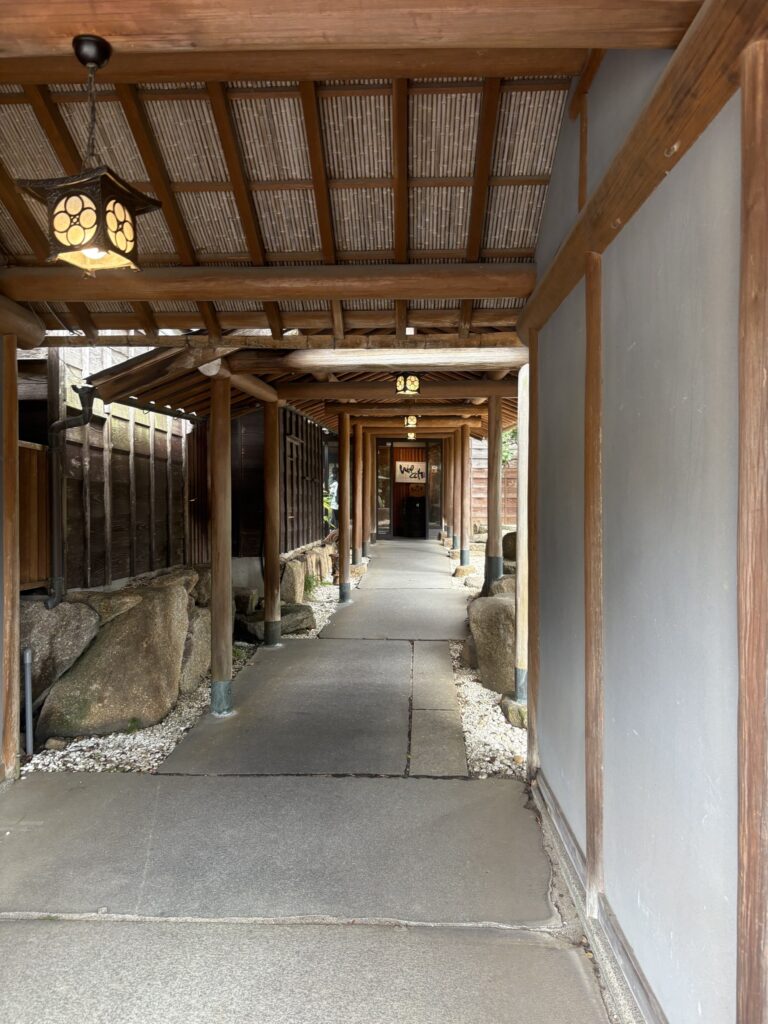
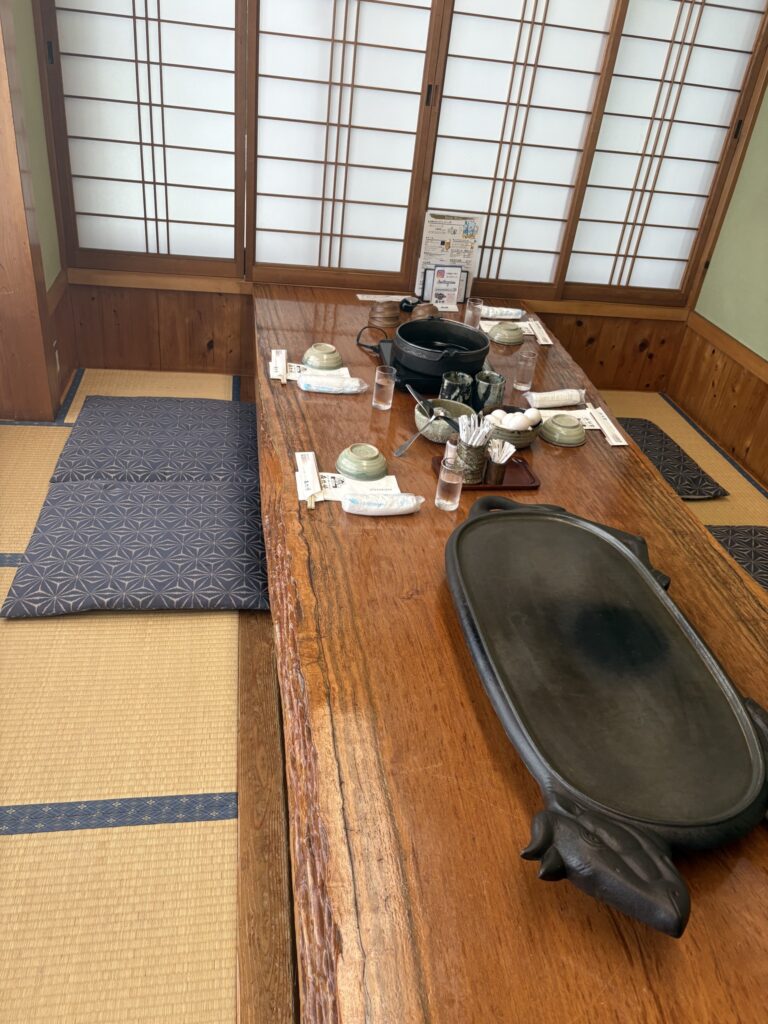
    What makes it unique is its interior, created by renovating a large traditional Japanese house. Spacious private rooms allow you to dine comfortably with family or friends without worrying about your surroundings. Inside, you’ll even find maple trees and guardian statues, creating a one-of-a-kind atmosphere that feels like stepping into another world. The balance of traditional Japanese aesthetics and playful design makes for a truly special dining experience.

    Exquisite Beef Dishes, Featuring Chita Beef

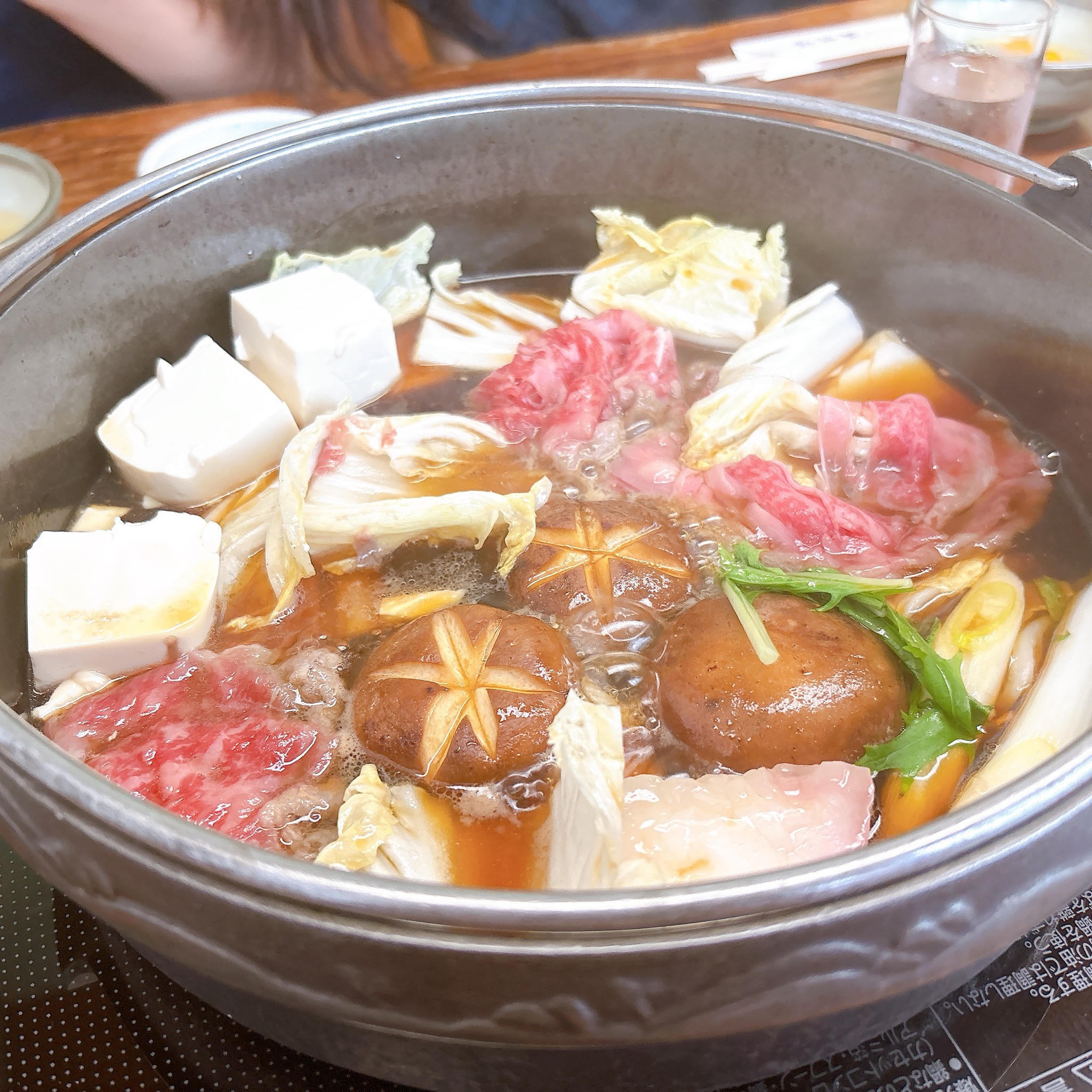
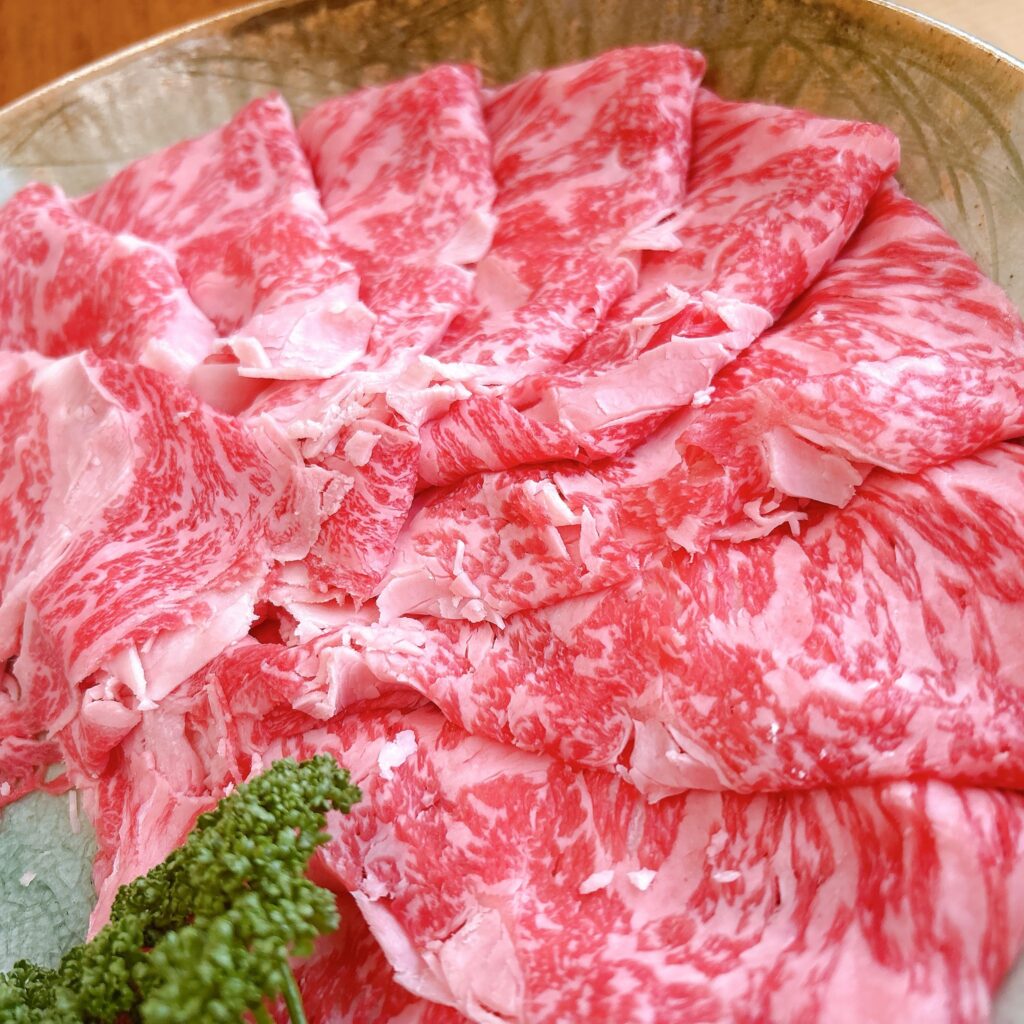
    The highlight of Mori Farm is, of course, its beef dishes. The restaurant serves carefully selected cuts of beef, including the locally renowned Chita Beef, which you can savor as steak, sukiyaki, or shabu-shabu. First-time visitors often choose between steak or sukiyaki—whichever you order, the flavor and tenderness are sure to impress.

    The photo shown here features beef other than Chita Beef, but it’s still delicious enough to make you want more rice. In the case of sukiyaki, rice refills are free, and the sweet-savory broth pairs perfectly with the beef, making it hard to stop eating. To finish, the house-style udon is also outstanding, leaving you satisfied until the very last bite.

    A Course Meal That Includes Dessert

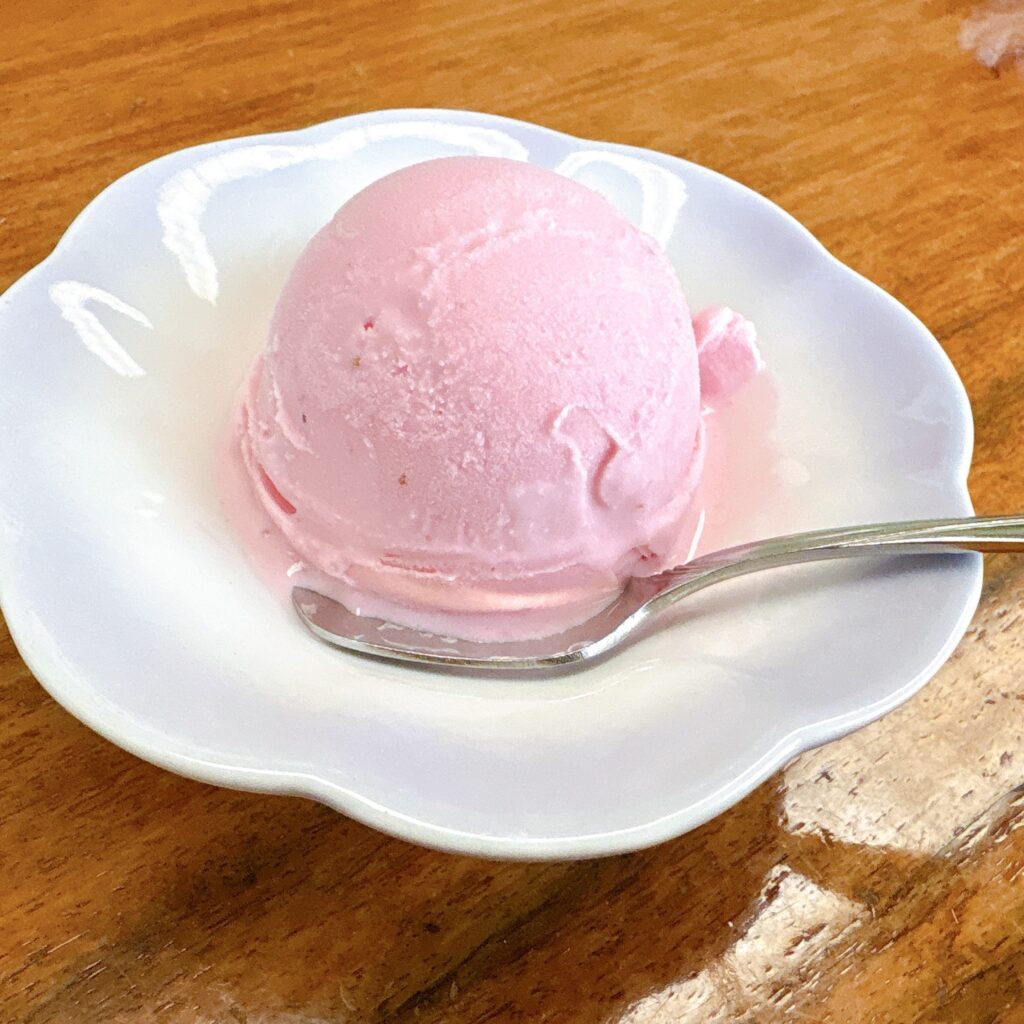
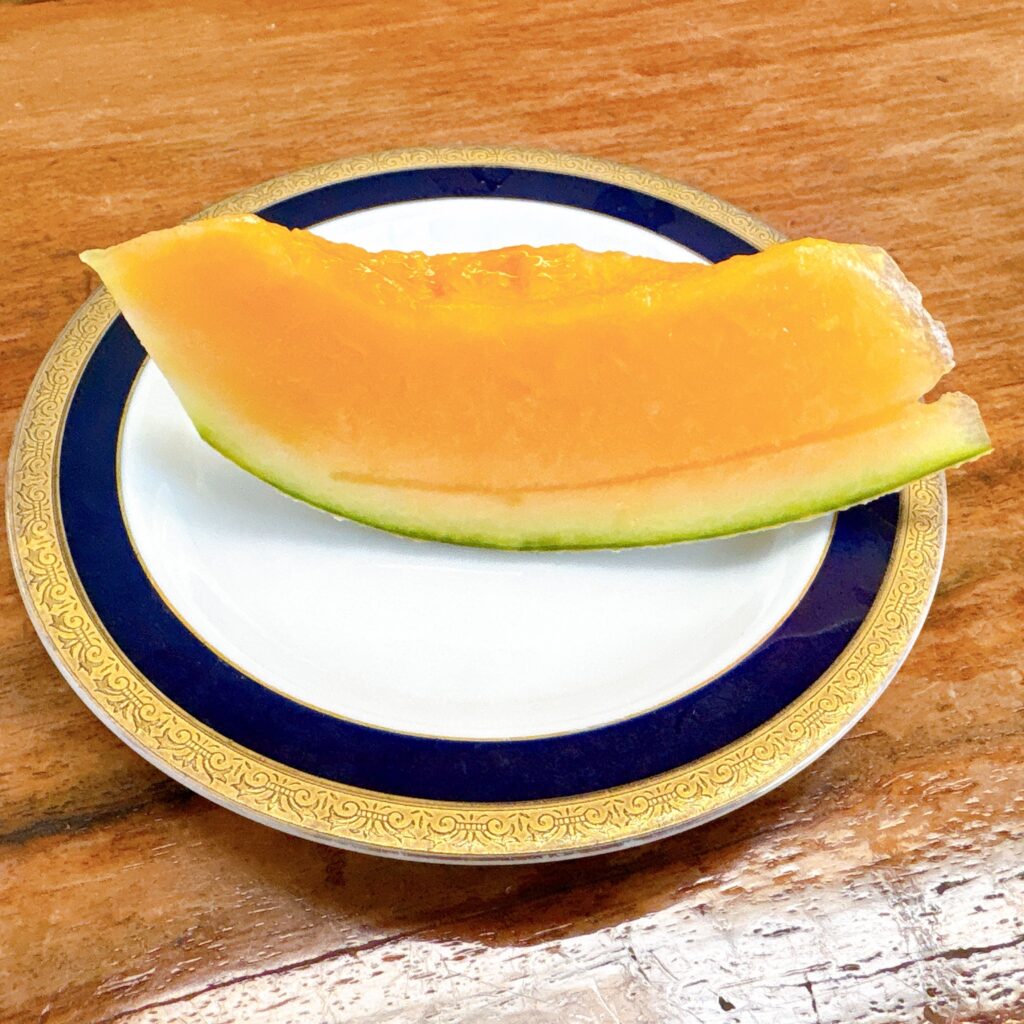
    Your meal concludes with dessert. Along with fresh melon, you can choose coffee or ice cream—but be prepared, the ice cream comes in a surprisingly large size. Its sweetness and coolness refresh your palate after the rich meal, while the generous portion ensures you end your dining experience feeling truly indulged.

    The greatest charm of Mori Farm is that you can relax in a spacious private room and enjoy delicious cuisine to your heart’s content. If you’re visiting Handa, this is a restaurant you won’t want to miss.

    Access

    2-84 Hiiragi-cho, Handa, Aichi 475-0916